





















































Fur Hen Everything You Need to Know About These Fluffy Backyard Chickens
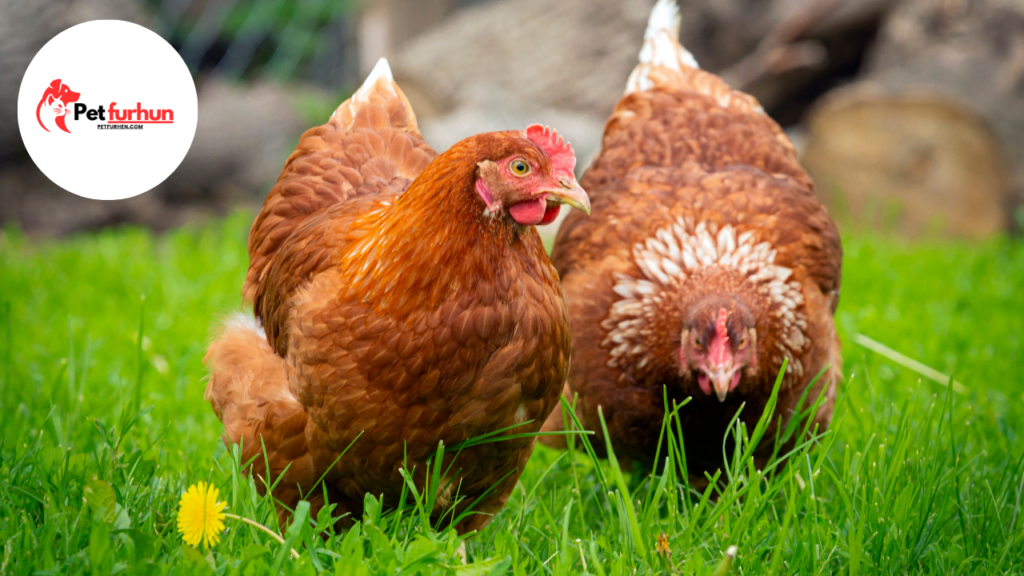
Few birds attract attention quite like a fur hen. At first glance, many people assume these unusual chickens are covered in fur rather than feathers. Their fluffy appearance, soft texture, and round shape make them look more like stuffed animals than farm birds. This distinctive look has made them popular among backyard chicken keepers, hobby farmers, and families looking for friendly poultry companions.
The term “fur hen” is not an official breed name. Instead, it is commonly used to describe chickens with exceptionally soft and fluffy feathers, particularly Silkie chickens and other ornamental breeds. Their unique appearance has helped them gain popularity worldwide, and many poultry enthusiasts consider them among the most attractive chickens available today.
This guide explores what a fur hen is, where these birds come from, their characteristics, care requirements, benefits, challenges, and why they continue to capture the interest of chicken lovers everywhere.
What Is a Fur Hen?
A fur hen is a chicken that appears to have fur-like plumage rather than traditional feathers. While chickens do not actually grow fur, some breeds possess feather structures that create a soft, fluffy appearance resembling mammalian fur.
The breed most often associated with the term is the Silkie chicken. Silkies have feathers that lack the rigid structure found in standard chicken feathers. Instead of lying flat against the body, their plumage remains fluffy and loose, creating their famous fur-like appearance.
Many people searching for information about fur hens are actually looking for details about Silkie chickens or similar ornamental breeds known for their soft feathers.
The History of Fur-Like Chickens
Fluffy chickens have existed for centuries. Historical records suggest that Silkie chickens originated in Asia, particularly in regions of China. They were introduced to travelers and traders long before modern poultry breeding became established.
As trade routes expanded between Asia and Europe, these unusual birds attracted attention because of their unique appearance. Travelers often described them as chickens with fur rather than feathers, helping create the fascination that continues today.
Over time, breeders carefully preserved the traits that made these birds distinctive. Their popularity spread throughout Europe, North America, and many other regions where ornamental poultry became a hobby.
Why Fur Hens Look Different
The secret behind a fur hen’s appearance lies in its feather structure. Standard chicken feathers contain tiny hooks that connect neighboring feather strands together. These hooks help feathers maintain a smooth and orderly shape.
In fur hens, especially Silkies, these hooks are missing or greatly reduced. Without this structure, the feathers remain loose and fluffy. Instead of creating a smooth surface, they produce a cloud-like appearance that resembles fur.
This genetic characteristic is completely natural within certain breeds and has been selectively maintained by breeders for generations.
Physical Characteristics of a Fur Hen
One of the first things people notice about fur hens is their distinctive appearance. Their bodies appear larger than they actually are because of their fluffy plumage. Underneath all those feathers, they are often much smaller than expected.
Most fur hens display several unique traits. Their feathers are soft and silky to the touch. They often have feathered feet and legs, adding to their unusual appearance. Many possess rounded body shapes and fluffy crests on top of their heads.
Some varieties also exhibit dark skin, dark bones, and even dark-colored internal tissues. These characteristics contribute to their reputation as one of the most unique chicken types in the world.
Popular Fur Hen Varieties
Although the Silkie is the most famous fur hen, several varieties exist. These birds come in a wide range of colors and patterns that appeal to poultry enthusiasts.
White Silkies remain among the most popular because of their bright, fluffy appearance. Black Silkies offer a dramatic contrast and are often sought after by collectors. Blue, buff, splash, gray, and partridge varieties are also widely available.
Each color variety shares the same basic temperament and physical characteristics. The primary difference lies in plumage coloration and specific breeding standards.
Temperament and Personality
Many chicken keepers choose fur hens because of their gentle nature. Compared to some larger breeds, they are often calm, friendly, and easy to handle.
Their relaxed personalities make them suitable for families with children. They frequently enjoy human interaction and can become surprisingly tame when handled regularly from a young age.
Fur hens generally coexist peacefully with other chickens, although their smaller size can sometimes make them vulnerable to bullying from larger or more aggressive breeds. For this reason, many owners keep them in dedicated flocks or monitor mixed groups carefully.
Are Fur Hens Good Egg Layers?
People often wonder whether fur hens are productive egg layers. The answer depends on expectations.
Fur hens are not typically raised for maximum egg production. They produce fewer eggs than commercial laying breeds such as Leghorns or Rhode Island Reds. Most hens lay small to medium-sized eggs throughout the year, with production decreasing during winter months.
While they may not compete with high-output layers, many owners consider their unique appearance and friendly temperament more valuable than their egg count.
Natural Brooding Ability
One area where fur hens excel is motherhood. Many are known for strong brooding instincts and willingly sit on eggs.
Chicken keepers often use them to hatch eggs from other chicken breeds, ducks, pheasants, and even ornamental birds. Their calm personalities and dedication to nesting make them reliable foster mothers.
This characteristic has helped maintain their popularity among poultry breeders who appreciate natural incubation methods.
Housing Requirements
Providing proper housing is essential for maintaining healthy fur hens. Their unique feather structure creates special needs that differ from standard chickens.
Because their feathers do not repel water effectively, they require dry housing. A well-ventilated coop protects them from rain, excessive humidity, and cold drafts.
Roosting bars should be lower than those used by larger breeds. Fur hens are not particularly strong fliers, so easier access to perches helps prevent injuries.
Clean bedding is especially important because fluffy feathers can collect dirt more easily than standard plumage.
Feeding and Nutrition
Fur hens thrive on a balanced poultry diet. High-quality chicken feed provides the protein, vitamins, and minerals necessary for healthy growth and egg production.
Fresh vegetables, leafy greens, and occasional treats can supplement their diet. Owners should also ensure access to clean water at all times.
Because these birds often have feathered feet, placing feeders and waterers on clean surfaces helps prevent mud and debris from accumulating around their plumage.
Grooming and Feather Care
One of the most enjoyable aspects of owning fur hens is maintaining their beautiful appearance. Their fluffy feathers require occasional attention to remain clean and healthy.
Regular inspections help identify dirt buildup, parasites, or damaged feathers. During wet weather, owners should check that birds remain dry and comfortable.
Unlike some livestock, fur hens generally groom themselves effectively. However, additional care may be necessary before poultry shows or exhibitions where appearance plays an important role.
Common Health Concerns
Fur hens are generally hardy birds, but their unique feathers can create certain challenges.
Wet weather presents one of the biggest concerns. Because their plumage absorbs moisture more readily than traditional feathers, prolonged exposure to rain can lead to discomfort and health issues.
Feathered feet may also collect mud and debris. Routine inspections help prevent infections or injuries.
Like all poultry, fur hens benefit from parasite prevention, proper nutrition, clean housing, and regular health monitoring.
Fur Hens as Pets
The growing popularity of backyard chickens has increased interest in fur hens as companion animals.
Their gentle nature and unusual appearance make them appealing to people who may not have previous poultry experience. Many owners describe them as affectionate and curious birds that enjoy interacting with humans.
Children often find them less intimidating than larger chickens. Their fluffy appearance and calm behavior help create positive experiences for families interested in raising poultry.
Benefits of Keeping Fur Hens
Fur hens offer several advantages beyond their appearance. They are friendly, relatively easy to manage, and provide entertainment for owners of all ages.
Their strong brooding instincts can help hatch eggs naturally. They fit well into ornamental flocks and often become conversation pieces among visitors.
Many poultry enthusiasts also appreciate their unique genetics and historical significance within the chicken world.
Challenges of Raising Fur Hens
Despite their many advantages, fur hens are not ideal for every situation.
Their lower egg production may disappoint people seeking maximum efficiency. They also require protection from wet weather and sometimes need extra grooming attention.
Because of their fluffy feathers, they may not see predators as effectively as other breeds. Their limited flying ability can also reduce their ability to escape threats.
Understanding these limitations helps prospective owners determine whether a fur hen is the right choice for their flock.
Fur Hen vs Regular Chicken
Comparing a fur hen with a standard chicken reveals several differences. Fur hens possess soft, fluffy feathers, while regular chickens display smooth, structured plumage.
Regular breeds often produce more eggs and handle wet weather better. Fur hens, however, frequently excel in friendliness, appearance, and brooding ability.
The best choice depends on an owner’s goals. Those seeking ornamental birds often prefer fur hens, while production-focused keepers may choose more traditional breeds.
Why Fur Hens Remain Popular
Interest in fur hens continues to grow as backyard poultry keeping becomes more common. Their unusual appearance stands out in a world where many people have never encountered such birds.
Social media has further increased their popularity. Photos and videos of fluffy chickens regularly attract attention online, introducing new audiences to these remarkable birds.
Their combination of beauty, personality, and history ensures they remain among the most beloved ornamental chickens available today.
Conclusion
Fur hens represent one of the most fascinating examples of diversity within the chicken world. Their soft, fluffy feathers create an appearance unlike almost any other poultry breed, earning them admiration from beginners and experienced keepers alike.
Although they may not be the most productive egg layers, they offer value in many other ways. Their friendly personalities, strong brooding instincts, and striking appearance make them excellent additions to backyard flocks.
For anyone seeking a unique chicken that combines beauty with a gentle temperament, a fur hen is often an excellent choice. With proper housing, nutrition, and care, these remarkable birds can thrive for many years while bringing enjoyment to everyone who encounters them.
Frequently Asked Questions
What is a fur hen?
A fur hen is an informal term used for chickens that have extremely soft and fluffy feathers. The term most commonly refers to Silkie chickens because their plumage resembles fur rather than traditional feathers.
Do fur hens actually have fur?
No. Fur hens do not grow real fur. They are chickens and therefore have feathers. Their feathers simply lack the structure that gives normal feathers a smooth appearance.
Are fur hens good pets?
Yes. Fur hens are widely considered excellent pets due to their calm personalities, friendly behavior, and willingness to interact with people.
How many eggs do fur hens lay?
Most fur hens produce fewer eggs than commercial laying breeds. Egg production varies depending on age, health, and environmental conditions.
Can fur hens live with other chickens?
They can live with other chickens, but owners should monitor mixed flocks carefully. Their smaller size and gentle nature can sometimes make them targets for bullying.
Do fur hens need special care?
They require protection from wet weather and clean housing to maintain healthy feathers. Aside from these needs, their care is similar to that of other chicken breeds.
How long do fur hens live?
With proper care, many fur hens can live between seven and ten years, although lifespan varies depending on genetics, environment, and overall health.