
More pet owners are becoming curious about veg food for pets as they look for alternative feeding options for their furry companions. Some choose vegetarian diets because of personal beliefs, environmental concerns, or the desire to provide a different type of nutrition for their animals. However, feeding pets without meat requires careful planning because dogs and cats have unique dietary needs.
A vegetarian diet for pets is not simply about replacing meat with vegetables. Pets need a complete balance of proteins, vitamins, minerals, fats, and other nutrients to maintain healthy growth, energy levels, and overall wellbeing. Understanding what works for dogs and what may not be suitable for cats is important before making any changes to their daily meals.
What Is Veg Food for Pets?
Veg food for pets refers to diets that contain plant-based ingredients instead of traditional meat-based foods. These diets may include vegetables, grains, legumes, fruits, and specially prepared formulas designed to provide essential nutrients.
Many pet owners assume that a healthy human vegetarian diet can easily be adapted for animals, but pets process food differently. Dogs and cats have evolved with specific nutritional requirements that must be met through their meals.
A properly planned vegetarian pet diet focuses on providing the nutrients an animal needs rather than simply removing meat. Without the right balance, a pet may experience nutritional deficiencies that can affect its health over time.
Can Dogs Eat a Vegetarian Diet?
Dogs are generally more adaptable than cats when it comes to food choices. Some dogs can live on a carefully prepared vegetarian diet if it provides all the necessary nutrients required for their health.
A dog’s diet needs a reliable source of protein, healthy fats, vitamins, and minerals. Plant-based ingredients such as lentils, peas, beans, and certain grains can provide nutrients, but the overall diet must be properly balanced.
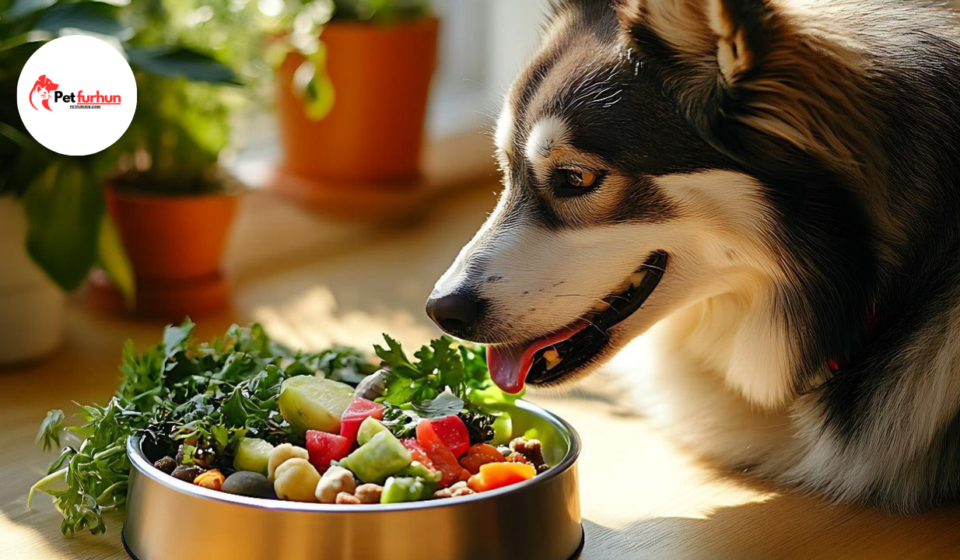
The biggest mistake many owners make is offering only vegetables or homemade meals without understanding nutritional requirements. A bowl of vegetables may look healthy, but it does not provide everything a dog needs for strong muscles, healthy skin, and normal body functions.
Why Cats Need More Attention With Vegetarian Food
Cats have very different nutritional needs compared with dogs. They are obligate carnivores, which means their bodies naturally depend on nutrients commonly found in animal-based foods.
Certain nutrients, including taurine, vitamin A, and specific fatty acids, are especially important for cats. A lack of these nutrients can create serious health concerns, including problems affecting vision, heart function, and overall health.
Because of these differences, a vegetarian diet for cats requires much more careful consideration. Cat owners should avoid creating homemade plant-based diets without professional guidance because even small nutritional gaps can have long-term effects.
Benefits of Choosing Veg Food for Pets
Some owners consider vegetarian diets because they believe these diets may offer certain benefits. A carefully designed plant-based diet can provide a variety of ingredients and may suit some pets with specific dietary sensitivities.
Vegetarian pet food can also appeal to owners who want to reduce their environmental impact or follow ethical choices related to food production. These personal reasons often influence decisions about pet nutrition.
However, the main priority should always remain the health of the animal. A diet should only be chosen if it meets the complete nutritional needs of the pet.
Risks of an Unbalanced Vegetarian Pet Diet
The biggest risk of veg food for pets is an incomplete diet. Removing meat without replacing important nutrients can create deficiencies that may not be immediately visible.
Pets with poor nutrition may experience issues such as low energy, weight changes, digestive problems, weak muscles, or poor coat condition. In some cases, nutritional problems may develop slowly and become noticeable only after a longer period.
Another challenge is that pets do not have the same nutritional requirements as humans. Foods that are considered healthy for people may not provide enough nutrition for animals.
How to Introduce Veg Food to Your Pet
Any change in your pet’s diet should happen gradually. Suddenly replacing their normal food with a new diet can cause digestive discomfort and stress.
Start by mixing a small amount of the new food with the existing diet and slowly increase the amount over time. This allows your pet to adjust while you monitor how they respond.
Pay attention to changes in appetite, weight, energy, digestion, and coat quality. If your pet shows unusual symptoms after a diet change, it is important to review the food choice and seek professional advice.
Homemade Vegetarian Pet Food vs Commercial Options
Some owners prefer preparing homemade vegetarian meals because they want full control over ingredients. While homemade food can be prepared carefully, creating a balanced recipe requires knowledge of animal nutrition.
Commercial vegetarian pet foods are often designed with added nutrients to support a pet’s dietary needs. These products may be a safer choice for owners who want a plant-based option without having to create recipes themselves.
Regardless of the choice, quality and nutritional balance matter more than whether the food is homemade or purchased.
Common Mistakes Pet Owners Make With Veg Diets
One common mistake is assuming that pets can eat the same vegetarian foods humans enjoy. Animals have different digestive systems and nutritional needs.
Another mistake is focusing only on ingredients rather than nutrition. A food label filled with vegetables does not automatically mean it is healthy for a pet.
Owners should also avoid making sudden diet changes without monitoring their pet’s reaction. Every animal responds differently, and factors such as age, breed, activity level, and health condition can affect dietary needs.
Should You Choose Veg Food for Your Pet?
Veg food for pets can be an option for some animals when the diet is carefully planned and nutritionally complete. Dogs may adjust more easily, while cats require much greater caution because of their natural dietary requirements.
The best diet is one that supports your pet’s health, energy, and quality of life. Personal preferences are important, but they should always be balanced with what your animal needs.
Before switching your pet to a vegetarian diet, consider their age, health condition, and nutritional requirements. A thoughtful approach can help ensure that your pet receives the food needed for a healthy life.
Frequently Asked Questions
Can dogs eat vegetarian food every day?
Some dogs can eat vegetarian food every day if the diet is complete and balanced. It must provide enough protein, vitamins, minerals, and other essential nutrients required for good health.
Is veg food safe for cats?
Cats require more careful consideration because they need specific nutrients that are naturally found in animal-based foods. A vegetarian diet for cats should only be considered with proper nutritional planning.
What vegetables can dogs eat?
Dogs can eat many vegetables, including carrots, green beans, peas, and pumpkin. However, vegetables should be part of a balanced diet rather than the only source of nutrition.
Can I make vegetarian pet food at home?
Yes, but creating a balanced homemade diet can be difficult. Pet owners need to understand nutritional requirements to avoid deficiencies.
Does vegetarian pet food help with allergies?
Some pets may benefit from certain diet changes, but allergies are usually linked to specific ingredients rather than meat alone. A proper evaluation is needed before changing food.
Should I consult a vet before changing my pet’s diet?
Yes, discussing major diet changes with a veterinarian can help ensure your pet receives the right nutrition and avoid possible health problems.