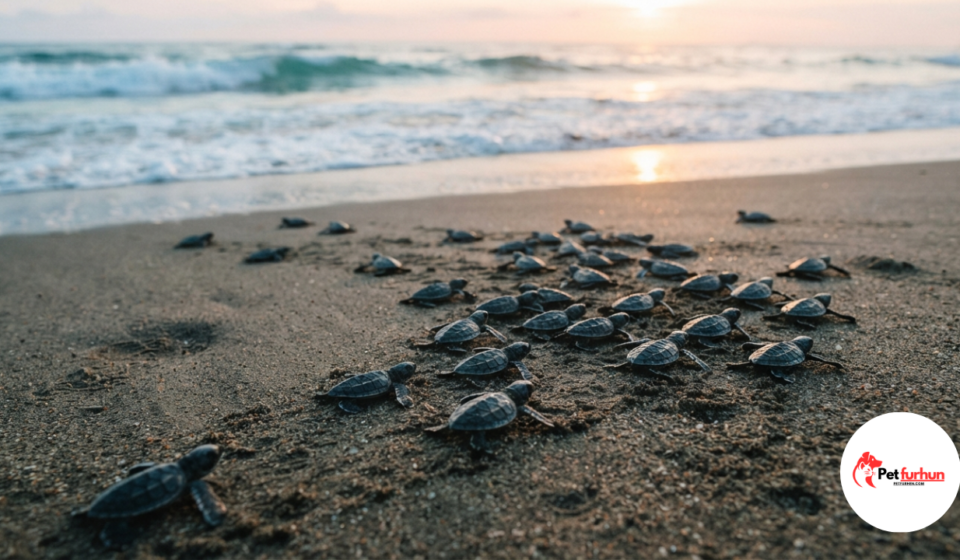

Baby turtles are among the most fascinating creatures in the animal world. These tiny reptiles begin their lives in eggs and enter the world with natural instincts that help them survive. Whether you have found a baby turtle outdoors, are thinking about keeping one as a pet, or simply want to learn more about these small animals, understanding their behavior, diet, habitat, and growth process can help you appreciate them better.
Unlike many animals, baby turtles do not stay with their parents after birth. They must find food, avoid predators, and adapt to their surroundings on their own. Although they look delicate, hatchlings have developed unique survival skills that allow them to grow into long-living reptiles.
What Are Baby Turtles Called?
Baby turtles are known as hatchlings after they come out of their eggs. This name is used for newly born turtles, including sea turtles, freshwater turtles, and land turtles. As they become older, they are called juvenile turtles before reaching adulthood.
The first stage of life is one of the most difficult periods for a turtle. Most turtle species do not receive care or protection from their parents. After laying eggs, the mother turtle leaves the nest, and the young turtles must depend on their natural instincts to survive.
Baby turtles are usually very small when they hatch, but their size depends on the species. Some hatchlings can easily fit in the palm of a person’s hand, while others may be slightly larger.
How Baby Turtles Are Born
The life of a baby turtle starts inside an egg. Female turtles carefully choose a nesting area, usually in sand, soil, or another safe location, where they dig a hole and lay their eggs. After the eggs remain in the nest for a period of time, the baby turtles begin developing inside their shells.
When they are ready to hatch, baby turtles use a small temporary tooth called an egg tooth to break through the shell. Many hatchlings come out of their eggs together, which can improve their chances of survival by making it harder for predators to catch them all.
After leaving the nest, baby turtles begin their search for a safe environment. Sea turtle hatchlings often move toward the ocean, while freshwater and land turtles search for suitable habitats where they can find food and shelter.
Where Do Baby Turtles Live?
The habitat of a baby turtle depends on its species. Some baby turtles live in oceans, while others survive in rivers, ponds, forests, wetlands, or grasslands.
Baby sea turtles spend their early lives in the ocean after leaving the beach where they hatched. They face many challenges during this journey, including predators, strong waves, and environmental dangers.
Freshwater baby turtles usually live in areas with clean water, plants, and hiding places. They often stay near ponds, lakes, and slow-moving rivers where they can find insects, small animals, and vegetation.
Land turtles need dry environments with suitable soil, plants, and areas where they can hide. Each turtle species has different needs, so a habitat that works for one turtle may not be suitable for another.
What Do Baby Turtles Eat?
A baby turtle’s diet depends on its species and natural environment. Many young turtles eat a mixture of plants and small animals because they need different nutrients for healthy growth.
Freshwater baby turtles may eat insects, worms, small aquatic creatures, plants, and specially prepared turtle food. Some land turtle hatchlings prefer leafy plants, flowers, vegetables, and other plant-based foods.
Pet baby turtles need a balanced diet to develop strong shells and healthy bodies. Feeding only one type of food can create nutritional problems. Turtle owners should provide suitable food based on the turtle species and avoid overfeeding.
Clean drinking water is also important, especially for aquatic turtles. Dirty water can lead to health issues and create an unhealthy living environment.
How Fast Do Baby Turtles Grow?
Baby turtles grow at different speeds depending on their species, diet, environment, and overall health. Some turtles grow quickly during their early years, while others take much longer to reach adulthood.
A healthy diet, proper temperature, and suitable habitat can support normal growth. Pet turtles often grow differently from wild turtles because they usually have regular access to food and protection from predators.
Some turtle species can reach adulthood within a few years, while others may take many years or even decades. This slow growth is one reason why turtles require long-term care and protection.
How to Take Care of Baby Turtles
Taking care of a baby turtle requires understanding its specific needs. A small container with water is not enough to keep a turtle healthy. Baby turtles need the right environment, temperature, lighting, and nutrition.
Aquatic turtles usually need clean water, a filtration system, and a dry area where they can climb out and warm themselves. Land turtles need proper soil, hiding areas, humidity control, and enough space to move comfortably.
Baby turtles also need suitable lighting, especially ultraviolet light, which helps many pet turtles maintain healthy shells and bones. Without proper care, young turtles can develop problems such as weak shells, infections, or poor growth.
Before bringing a baby turtle home, it is important to learn about the species and understand its long-term requirements.
Why Baby Turtles Need Protection
Baby turtles face many dangers from the moment they hatch. Wild hatchlings are often targeted by birds, fish, mammals, and other predators. Human activities also create challenges through habitat destruction, pollution, and changes to nesting areas.
Sea turtle hatchlings can become confused by artificial lights near beaches. Instead of moving toward the ocean, they may travel in the wrong direction and face greater risks.
Protecting turtle habitats and avoiding unnecessary disturbance helps improve their chances of survival. Even small actions, such as keeping beaches clean and respecting nesting areas, can make a difference.
Interesting Facts About Baby Turtles
Baby turtles have amazing abilities despite their small size. Many hatchlings can identify the direction they need to travel shortly after leaving their nests.
Some turtle species can live for many decades, meaning a tiny hatchling today could become a very old animal in the future. Their slow growth and long lifespan make them one of the most unique reptile groups on Earth.
Baby turtles may appear simple, but their survival journey shows incredible natural adaptation. From breaking out of their eggs to finding food and avoiding danger, every stage of their early life is important.
Frequently Asked Questions
What do you call a baby turtle?
A baby turtle is called a hatchling after it comes out of its egg. Young turtles are later called juveniles before becoming adults.
Do baby turtles stay with their parents?
Most baby turtles do not stay with their parents. They survive independently after hatching and rely on natural instincts.
Can baby turtles eat regular human food?
No, baby turtles should not eat regular human food. They need a diet designed for their species, including suitable plants, insects, or turtle food.
How long do baby turtles live?
The lifespan depends on the species. Many turtles can live for several decades, and some species can survive much longer with proper conditions.
Are baby turtles easy pets?
Baby turtles may look easy to care for, but they require proper housing, nutrition, and regular care. They are a long-term responsibility.
Conclusion
Baby turtles are small but remarkable animals that begin life with an incredible challenge. From hatching from their eggs to finding food and avoiding predators, they rely on natural abilities to survive.
Whether living in the wild or kept as pets, baby turtles need protection, proper care, and a suitable environment. Learning about their needs helps people make better decisions and support the survival of these fascinating reptiles.
A baby turtle may start its life as a tiny hatchling, but with the right conditions, it can grow into a strong and long-lived creature.