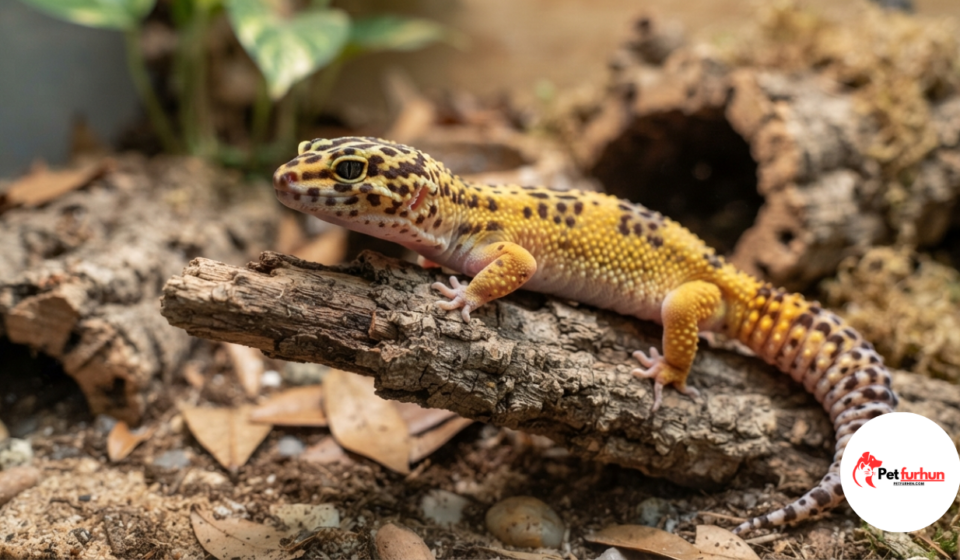

Leopard geckos are one of the most popular pet reptiles because of their calm personality, attractive appearance, and relatively simple care requirements. These small lizards are known for their yellow bodies, dark spots, thick tails, and gentle nature, making them a favorite choice among beginner reptile keepers.
The leopard gecko (Eublepharis macularius) is a ground-dwelling reptile that naturally lives in dry regions of Asia. Although they come from desert-like environments, they are not difficult animals to care for when their basic needs are properly understood. A suitable habitat, balanced diet, correct temperature, and regular care can help a leopard gecko live a healthy and comfortable life.
What Is a Leopard Gecko?
A leopard gecko is a small species of lizard belonging to the gecko family. Unlike many other gecko species, leopard geckos have movable eyelids, which help protect their eyes and keep them clean. They also do not have sticky toe pads, meaning they cannot climb smooth surfaces like walls or glass.
The name leopard gecko comes from its natural spotted pattern, which looks similar to the markings of a leopard. Their bodies usually have yellow, orange, brown, and black colors, although captive breeding has created many different color patterns and varieties.
Leopard geckos are mainly active during the evening and early morning hours. This behavior helps them avoid extreme daytime temperatures in their natural environment while searching for insects and exploring their surroundings.
Leopard Gecko Natural Habitat and Origin
Leopard geckos originally come from parts of Afghanistan, Pakistan, India, Iran, and Nepal. They usually live in dry grasslands, rocky areas, and semi-desert environments where they can find shelter under rocks, inside burrows, and in small cracks.
In the wild, leopard geckos depend on their environment to regulate their body temperature. They move between warmer and cooler areas to maintain the right body temperature. This natural behavior is important to understand because pet owners need to provide a similar temperature range inside their enclosure.
Although they are commonly associated with deserts, leopard geckos are not animals that should live in completely dry conditions without any humidity. They need a small humid area to help with healthy shedding and overall well-being.
Leopard Gecko Size and Lifespan
Leopard geckos are small reptiles that usually grow between 7 and 10 inches long when fully mature. Their thick tails store fat, which acts as an energy reserve when food availability changes.
One of the most attractive features of leopard geckos is their long lifespan. With proper care, they can often live between 15 and 20 years in captivity. Some may even live longer when provided with excellent nutrition, a suitable habitat, and regular health monitoring.
Because of their long lifespan, adopting a leopard gecko is a serious commitment. They are not short-term pets and require consistent care for many years.
Are Leopard Geckos Good Pets?
Leopard geckos are considered excellent pets for beginners because they are usually calm, easy to handle, and do not require extremely complicated care. They are generally less demanding than many larger reptiles and can become comfortable with their owners over time.
However, being beginner-friendly does not mean they require no attention. Leopard geckos still need a properly designed enclosure, appropriate heating, nutritious food, and regular observation. Poor care can lead to health problems, even in hardy reptile species.
Their quiet nature also makes them suitable for people who prefer pets that do not create noise or require constant interaction. They spend much of their time resting, exploring, and hunting for food.
Leopard Gecko Habitat Setup
Creating the right habitat is one of the most important parts of leopard gecko care. Their enclosure should provide enough space for movement, hiding, and natural behaviors. A secure tank with proper ventilation is essential to keep the reptile comfortable.
A leopard gecko enclosure should include different hiding areas where the gecko can feel safe. A warm hiding place, a cooler hiding area, and a humid hide help them manage temperature changes and shedding.
The floor material, also known as substrate, should be chosen carefully. Unsafe substrates can create digestive problems if accidentally eaten. Many owners choose reptile-safe materials that allow easy cleaning while reducing health risks.
Temperature control is another key part of habitat setup. Leopard geckos need a warm area for digestion and a cooler area where they can move away from heat when needed.
What Do Leopard Geckos Eat?
Leopard geckos are insect-eating reptiles, which means their diet mainly consists of live insects. Common food choices include crickets, mealworms, and other suitable feeder insects.
A varied diet is important because different insects provide different nutrients. Many owners also provide calcium and vitamin supplements to support strong bones and prevent nutritional deficiencies.
Young leopard geckos usually require more frequent feeding because they are growing quickly. Adult geckos generally eat less often, but their diet should still be monitored carefully to maintain a healthy weight.
Fresh water should always be available inside the enclosure. Although leopard geckos come from dry environments, they still need access to clean drinking water.
Leopard Gecko Behavior and Temperament
Leopard geckos are known for their peaceful temperament. They usually do not show aggressive behavior and often become comfortable with gentle handling. Their slow movements and curious nature make them enjoyable pets to observe.
A leopard gecko may use its tail as a form of communication. A moving or raised tail can indicate alertness, excitement, or stress depending on the situation. Understanding these behaviors helps owners recognize when their pet feels comfortable or uncomfortable.
Handling should always be gentle. Owners should support the gecko’s body and avoid grabbing the tail because leopard geckos can drop their tails when they feel threatened.
Common Leopard Gecko Health Problems
A healthy leopard gecko usually has clear eyes, a strong appetite, and a thick tail. Changes in behavior, weight loss, difficulty shedding, or reduced eating can indicate a health problem.
Common issues include poor shedding, dehydration, digestive problems, and nutritional deficiencies. Metabolic bone disease can occur when a reptile does not receive enough calcium or proper care.
Regular cleaning, correct temperatures, and a balanced diet can prevent many common health problems. Owners should also monitor their gecko regularly and seek veterinary advice if unusual symptoms appear.
Conclusion
Leopard geckos are fascinating reptiles that combine beautiful appearance, gentle behavior, and manageable care needs. Their small size and calm personality make them one of the most suitable reptile pets for beginners.
Providing the right environment is the foundation of good leopard gecko care. Proper heating, a safe enclosure, nutritious food, and careful handling allow these reptiles to live long and healthy lives.
For anyone interested in keeping a reptile, a leopard gecko can be a rewarding companion that offers years of enjoyment and learning.