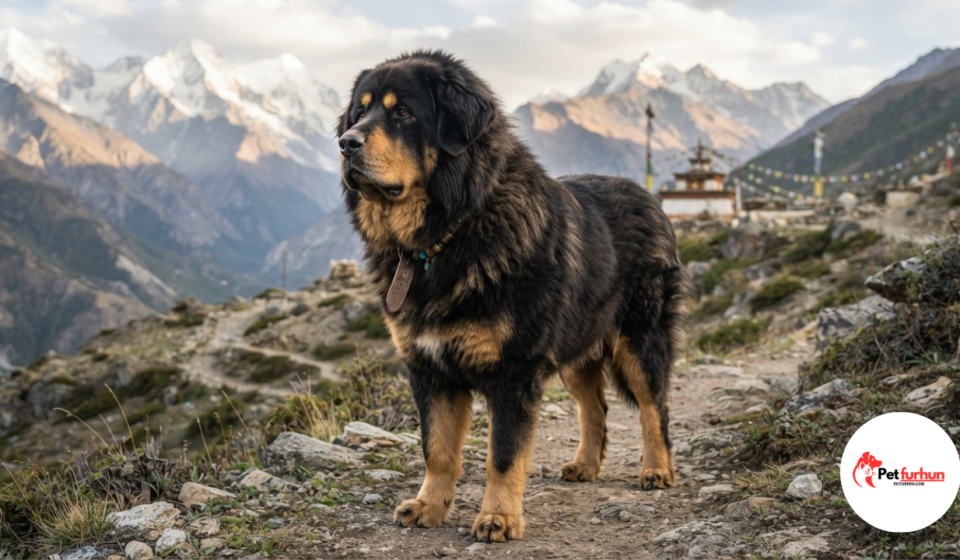

The Tibetan Mastiff is one of the most ancient and powerful dog breeds in the world. Known for its massive size, thick coat, deep bark, and protective nature, this breed has been guarding homes, livestock, and monasteries in the Himalayan region for centuries. Unlike many modern dogs that were developed mainly for companionship, the Tibetan Mastiff was bred to work independently and protect its territory.
Today, people are interested in Tibetan Mastiffs because of their impressive appearance and loyal personality. However, owning this giant guardian dog requires more than admiration for its size. Understanding its history, behavior, training needs, and daily care requirements is essential before bringing one into your home.
History and Origin of the Tibetan Mastiff
The Tibetan Mastiff originated in the Himalayan region, especially Tibet, where it was used by nomadic communities and monks as a protection dog. These dogs guarded villages, livestock, tents, and monasteries from predators and unwanted visitors. Their ability to work alone in difficult environments made them valuable guardians for people living in remote mountain areas.
The breed developed naturally over hundreds of years, adapting to cold temperatures and challenging conditions. Its thick double coat protected it from harsh weather, while its strong body allowed it to perform demanding guarding duties. The Tibetan Mastiff’s independent nature comes from its traditional role as a dog that had to make decisions without constant instructions from humans.
Although the breed has existed for centuries, it became more recognized internationally during the modern era. Today, Tibetan Mastiffs are found in many countries, where they are kept as companion animals and family protectors.
Physical Appearance and Size of a Tibetan Mastiff
The Tibetan Mastiff is famous for its large and powerful appearance. It has a broad head, strong muscles, heavy bone structure, and a thick coat that gives it a majestic look. One of its most noticeable features is the heavy fur around its neck, which creates a lion-like appearance, especially in males.
Adult Tibetan Mastiffs are among the largest dog breeds. Their size can vary depending on genetics, diet, and overall health, but many males can reach impressive heights and weights. Despite their size, they are not constantly active dogs. They often have a calm presence when they are relaxed at home.
The breed comes in different coat colors, including black, brown, red, blue-gray, and combinations with tan markings. Their thick fur requires regular maintenance, especially during seasonal shedding periods.
Tibetan Mastiff Temperament and Personality
The personality of a Tibetan Mastiff is very different from many typical family dogs. This breed is naturally protective, independent, and cautious around strangers. It does not usually rush to greet unfamiliar people and often observes situations before reacting.
A well-trained Tibetan Mastiff is loyal and affectionate with its family. It forms strong bonds with the people it trusts and can become a devoted companion. However, its guarding instincts remain an important part of its personality, which means owners must provide proper guidance from an early age.
The breed is intelligent but can also be stubborn. Tibetan Mastiffs were developed to think independently, so they may not always follow commands immediately. They respond best to patient training, consistency, and positive communication.
Training and Socialization Requirements
Training a Tibetan Mastiff requires commitment and understanding of the breed’s natural behavior. Early socialization is one of the most important parts of raising this dog. Puppies should be introduced to different people, environments, sounds, and experiences to help them develop confidence.
Because of their protective instincts, Tibetan Mastiffs need clear rules and boundaries. Owners should focus on building respect and trust instead of using harsh training methods. A confident and calm approach usually produces better results.
Obedience training is especially important because of the dog’s size and strength. A well-mannered Tibetan Mastiff is easier to manage and can interact more safely with family members, visitors, and other animals.
Exercise and Daily Activity Needs
Although Tibetan Mastiffs are large dogs, they do not have extremely high exercise requirements. They usually enjoy daily walks, outdoor time, and activities that provide mental stimulation. Too much intense exercise, especially during puppy growth stages, can put unnecessary pressure on their developing joints.
This breed enjoys having space to move and explore. A secure yard or outdoor area can be beneficial, but owners should remember that Tibetan Mastiffs are excellent guardians and may consider their home territory something they need to protect.
Mental stimulation is also important. Simple training sessions, interaction with owners, and new experiences help prevent boredom and unwanted behaviors.
Grooming and Health Care for Tibetan Mastiffs
The Tibetan Mastiff has a thick double coat designed to protect it from cold weather. Regular brushing helps remove loose hair and keeps the coat healthy. During shedding seasons, grooming may need to be increased because the breed can lose a significant amount of fur.
Despite their impressive appearance, Tibetan Mastiffs do not require complicated grooming routines. Regular brushing, occasional bathing, nail care, and ear cleaning are usually enough to maintain good hygiene.
Like many large dog breeds, Tibetan Mastiffs can be prone to certain health issues, including joint problems and conditions associated with large body size. Regular veterinary checkups, a balanced diet, and responsible breeding practices can help support a healthier life.
Is a Tibetan Mastiff a Good Family Dog?
A Tibetan Mastiff can be a wonderful family dog for the right owner. It is loyal, protective, and deeply connected to its family. Many owners appreciate the breed’s calm nature and strong sense of responsibility toward the people it loves.
However, this breed is not suitable for every household. First-time dog owners may find its independent personality and guarding instincts difficult to manage. Families should consider their experience, available space, and ability to provide training before choosing this breed.
With proper care and responsible ownership, a Tibetan Mastiff can become a trusted companion and a reliable protector.
Tibetan Mastiff Price and Ownership Costs
The cost of owning a Tibetan Mastiff goes beyond the initial puppy price. Because it is a rare and large breed, puppies can be expensive depending on their background, breeder quality, and location.
Owners should also consider ongoing expenses such as high-quality food, veterinary care, grooming supplies, training, and general maintenance. A large dog requires more resources, and preparing financially is an important part of responsible ownership.
Final Thoughts on the Tibetan Mastiff
The Tibetan Mastiff is a unique breed with a history unlike many other dogs. It combines strength, independence, loyalty, and protective instincts that have been developed over generations. Its impressive appearance attracts many people, but its personality and needs should be understood before making a decision.
For experienced owners who appreciate guardian breeds, the Tibetan Mastiff can be an incredible companion. With proper training, socialization, and care, this ancient dog can become a loyal member of the family for many years.