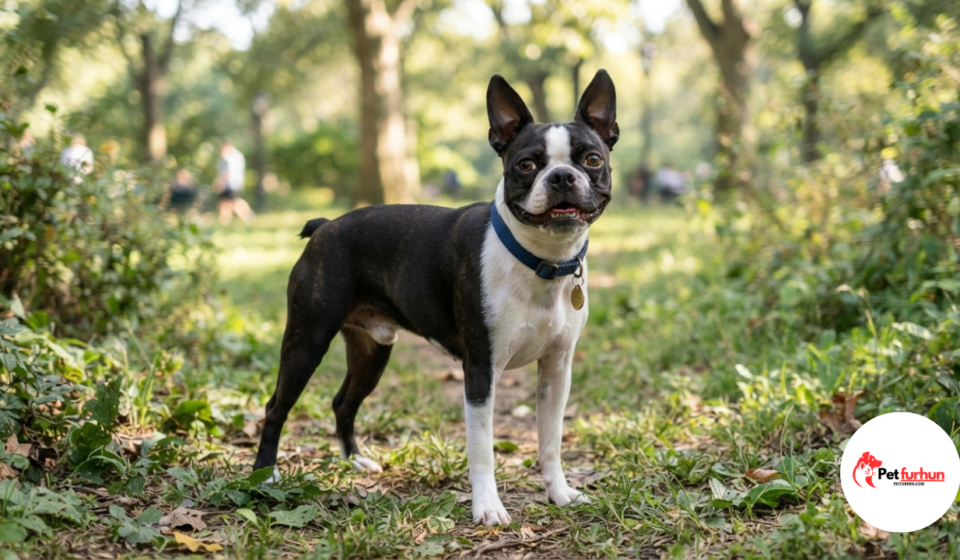

The Boston Terrier is one of the most loved small dog breeds, known for its charming personality, compact body, and unique tuxedo-like coat. Often called the “American Gentleman,” this breed has won the hearts of families around the world because of its friendly nature, intelligence, and ability to adapt to different homes. Whether you live in an apartment or a larger house, a Boston Terrier can become a loyal and entertaining companion.
Although Boston Terriers are small in size, they have a big personality. They are playful, affectionate, and enjoy spending time with their owners. However, like every dog breed, they have specific care requirements, training needs, and health considerations that potential owners should understand before bringing one home.
Boston Terrier History and Origin
The Boston Terrier has a unique connection to the United States, especially the city of Boston, Massachusetts, where the breed was developed in the late 1800s. The breed was created by crossing English Bulldogs with White English Terriers, which helped produce a smaller companion dog with a strong and balanced body.
Originally, early versions of the breed looked different from the modern Boston Terrier. Over generations, breeders focused on creating a friendly companion dog rather than a working or fighting breed. The result was a smaller, more gentle dog with a pleasant temperament and attractive appearance.
The American Kennel Club officially recognized the Boston Terrier in 1893, making it one of the first American dog breeds accepted by the organization. Over time, the breed became famous for its black-and-white coat pattern and polite personality, which earned it the nickname “American Gentleman.”
Boston Terrier Appearance and Physical Characteristics
Boston Terriers have a small but muscular body that gives them a strong and athletic appearance. Their square-shaped head, short muzzle, large round eyes, and upright ears are some of their most recognizable features. Their expressive face often makes them appear curious and friendly.
A typical Boston Terrier stands around 10 to 12 inches tall and usually weighs between 12 and 25 pounds. Their short, smooth coat requires little maintenance, making them a convenient choice for people who prefer a low-grooming dog.
The breed is best known for its tuxedo-like markings, where white fur appears on the chest, face, and sometimes legs. Common coat colors include black and white, brindle and white, and seal and white. Their neat appearance is one reason they remain popular among dog lovers.
Boston Terrier Personality and Temperament
The Boston Terrier is known for being affectionate, intelligent, and social. These dogs usually form strong bonds with their owners and enjoy being part of family activities. They are happiest when they can spend time with people rather than being left alone for long periods.
Unlike some small breeds that can be nervous or aggressive, Boston Terriers are generally friendly and outgoing when properly socialized. They often enjoy meeting new people and can get along well with other pets when introduced correctly.
Their playful personality makes them enjoyable companions. They love games, attention, and interactive activities. At the same time, they can be sensitive dogs, so positive training methods work better than harsh discipline.
Training a Boston Terrier
Boston Terriers are intelligent dogs that can learn commands quickly when training is consistent and enjoyable. Their desire to please their owners often makes them responsive during training sessions.
Early training is important because it helps develop good habits and prevents unwanted behaviors. Basic commands, leash training, and socialization should begin when they are young. Short training sessions with rewards and encouragement usually produce the best results.
Some Boston Terriers may show a stubborn side, especially if they become bored with repetitive exercises. Keeping training interesting with different activities can help maintain their attention and motivation.
Boston Terrier Exercise Requirements
Although Boston Terriers are small dogs, they still need regular physical activity to stay healthy and happy. Daily walks, indoor play sessions, and interactive games are usually enough to meet their exercise needs.
They are energetic but not extremely demanding, which makes them suitable for many living situations. However, owners should avoid excessive exercise during very hot weather because their short muzzle can make breathing more difficult.
Mental stimulation is also important for this intelligent breed. Puzzle toys, obedience practice, and learning new tricks can help prevent boredom and keep their minds active.
Boston Terrier Grooming and Maintenance
One of the advantages of owning a Boston Terrier is that grooming is relatively simple. Their short coat does not require frequent professional grooming, but regular brushing helps remove loose hair and keeps their coat healthy.
Basic care should include regular nail trimming, ear cleaning, and dental care. Like many small breeds, Boston Terriers can develop dental problems if their teeth are not properly maintained.
Owners should also pay attention to their facial folds and eyes. Keeping these areas clean can help prevent irritation and support better overall hygiene.
Common Boston Terrier Health Problems
Boston Terriers are generally healthy dogs, but they can experience certain breed-related health concerns. Because they have a short muzzle, some may develop breathing difficulties, especially in hot weather or during intense physical activity.
Eye problems can also occur because their large, prominent eyes are more exposed to possible irritation or injury. Regular veterinary checkups can help identify issues early and support long-term health.
Other possible concerns include allergies, skin conditions, digestive problems, and joint issues. Choosing a responsible breeder who focuses on healthy breeding practices can reduce the risk of inherited conditions.
Boston Terrier Diet and Feeding Needs
A balanced diet is essential for keeping a Boston Terrier healthy and active. Their food should provide the right amount of protein, vitamins, and nutrients based on their age, weight, and activity level.
Because Boston Terriers have small bodies, overfeeding can quickly lead to weight gain. Extra weight can place stress on their joints and may affect their overall health. Portion control and regular activity are important parts of responsible ownership.
Fresh water should always be available, and treats should be given in moderation. If a Boston Terrier has food sensitivities or digestive issues, a veterinarian can help choose a suitable diet.
Is a Boston Terrier the Right Dog for You?
A Boston Terrier can be an excellent choice for people looking for a loving, playful, and manageable companion. Their small size, friendly personality, and low grooming needs make them appealing to many households.
However, they require attention, companionship, and proper care. They are not the best choice for someone who wants a completely independent dog that can spend most of the day alone.
For owners who can provide love, training, exercise, and regular health care, the Boston Terrier can become a loyal family member and a wonderful lifelong companion.
Frequently Asked Questions
Are Boston Terriers good family dogs?
Yes, Boston Terriers are usually good family dogs because they are affectionate, playful, and enjoy human interaction. Proper training and socialization help them become well-behaved companions.
Do Boston Terriers bark a lot?
Boston Terriers are not considered excessive barkers, but they may bark when they are excited, alerting their owners, or seeking attention.
Are Boston Terriers easy to train?
Boston Terriers are intelligent and can learn quickly, but they may sometimes be stubborn. Consistent positive training methods usually work best.
How much exercise does a Boston Terrier need?
Boston Terriers need regular daily exercise, including walks and playtime. They do not require extreme activity but should stay active to maintain good health.
Do Boston Terriers have health problems?
Some Boston Terriers can experience breathing, eye, skin, or digestive problems. Regular veterinary care and responsible breeding practices can help manage these risks.
Conclusion
The Boston Terrier is a small dog with a big personality. Its friendly nature, attractive appearance, and ability to adapt to different lifestyles have made it a favorite companion breed for generations.
While they are easy to love, Boston Terriers still need proper care, training, and attention to stay healthy and happy. Understanding their needs before adoption helps owners create a strong and lasting relationship with their dog.
For anyone searching for a loyal, playful, and affectionate companion, the Boston Terrier remains a wonderful choice.