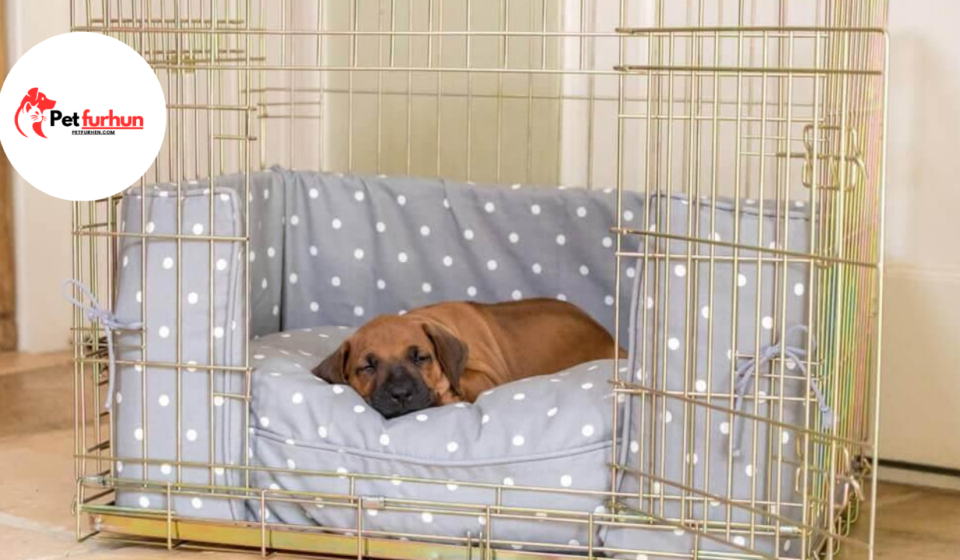

Crate training is one of the most effective methods to provide dogs with a safe and comfortable space while helping owners manage behavior and housebreaking. A crate is not just a box for confinement; when used correctly, it becomes a personal den where a dog feels secure and calm. Many dog owners have found that crate training supports everything from potty training to stress reduction, and it can make travel and visits to the veterinarian far less stressful. Understanding the principles of crate training and introducing it thoughtfully is the key to success.
Understanding Crate Training
Crate training is the process of teaching a dog to voluntarily enter and stay in a crate for short periods, gradually increasing time as they grow comfortable. The goal is to make the crate a positive environment where the dog feels safe rather than a place of punishment. This approach leverages the natural denning instincts of dogs, giving them a space they can consider their own. It also helps owners create a routine for their pets and manage situations when supervision is limited.
The crate should be appropriately sized so the dog can stand, turn around, and lie down comfortably. Too large a crate can defeat the purpose, as the dog may use one corner for elimination. Too small a crate will make the dog uncomfortable and may lead to stress or resistance. Placement of the crate is also important; it should be in a part of the home where the dog feels included in family life but not overwhelmed by constant activity.
Benefits of Crate Training
Crate training offers multiple benefits that go beyond simple confinement. One of the most significant advantages is supporting housebreaking. Dogs instinctively avoid soiling their sleeping area, and when this is combined with regular bathroom breaks, potty training becomes more manageable.
Crate training also enhances safety, particularly for puppies and young dogs that may chew on cords, furniture, or other dangerous objects when left unsupervised. Providing a secure space prevents accidents and protects both the dog and the household. Beyond safety, a crate can serve as a refuge during stressful situations, such as thunderstorms, fireworks, or busy family gatherings. Dogs that understand the crate as a safe place are better able to self-soothe and stay calm.
Travel and emergencies also benefit from crate training. A dog accustomed to a crate is less likely to experience anxiety during car rides, vet visits, or boarding. The familiarity of the space provides comfort and predictability in unfamiliar situations. For dogs recovering from surgery or injury, crate training can help enforce rest and prevent overexertion while still keeping the dog comfortable.
Introducing a Dog to the Crate
Successful crate training begins with careful introduction. The crate should first be presented as a welcoming environment. Owners can place soft bedding, toys, or treats inside, allowing the dog to explore at their own pace. Encouraging voluntary entry without forcing the dog is essential, as negative associations can lead to fear or resistance.
During the initial phase, leaving the crate door open while feeding meals inside can help create positive associations. Gradually, the door can be closed for short periods while the owner remains nearby. Over time, these periods can be extended as the dog becomes more comfortable. Patience and consistency are crucial, as rushing the process can create stress and setbacks.
Timing and Duration
The amount of time a dog should spend in a crate depends on age, health, and comfort level. Puppies typically require frequent breaks for bathroom needs and should not be crated for extended periods. Adult dogs may tolerate longer periods but still need daily exercise, mental stimulation, and social interaction. Proper timing ensures that the crate remains a positive and safe place rather than a source of frustration or anxiety.
Crate training sessions should be short and gradually increased. Dogs respond well to predictability, so establishing a routine for crating and exiting helps them understand that the crate is a temporary and safe environment. Owners should always respond to signs of stress, such as whining, scratching, or attempts to escape, and adjust the training pace accordingly.
Common Misunderstandings
There are several misconceptions about crate training that can affect success. A crate is not a tool for punishment or extended isolation. Dogs should never be left in a crate for excessive hours as a form of discipline. Instead, the crate should be seen as a personal space for rest and security.
Not all dogs take to crate training immediately. Some may show initial resistance or anxiety, which requires gradual acclimation and positive reinforcement. Dogs with a history of trauma or separation anxiety may need additional support from a trainer or behaviorist to make crate training effective and humane. It is important to recognize that crate training is optional and may not be suitable for every dog; alternative management strategies such as exercise pens or supervised freedom can achieve similar goals.
Maintaining Positive Associations
The key to long-term crate success is creating positive experiences inside the crate. Owners should reward calm and relaxed behavior with praise or treats and avoid forcing the dog in as a form of discipline. Feeding meals in the crate and providing toys or chews can reinforce the idea that the crate is enjoyable. Over time, the dog will voluntarily choose the crate for rest and comfort, making it a valuable tool for both the dog and the owner.
Consistency and patience are essential throughout the process. Crate training should be integrated with other training and enrichment activities, providing a balanced routine that supports both behavioral development and emotional wellbeing. This approach ensures that the crate becomes a source of comfort rather than a source of stress.
Adapting Crate Training for Different Dogs
Puppies, adult dogs, and senior dogs have different needs when it comes to crate training. Puppies require frequent bathroom breaks and a gradual approach to extended crate time. Adult dogs may benefit from crates for travel, safety, and alone time, while senior dogs may use the crate as a refuge during rest or recovery periods. Adjusting crate size, location, and training approach to the dog’s stage of life improves acceptance and reduces stress.
Crate training also requires sensitivity to temperament. Nervous or highly anxious dogs may need slower introductions and enrichment inside the crate, while confident dogs often adapt quickly. Observing the dog’s response and adjusting the approach ensures that the crate remains a positive space.
Conclusion
Crate training is a tool that, when used thoughtfully, provides safety, comfort, and structure for dogs of all ages. It supports housebreaking, reduces stress, and helps manage behavior during unsupervised periods or travel. The success of crate training relies on patience, consistency, and positive reinforcement, ensuring that the crate becomes a space the dog chooses willingly.
Owners who approach crate training with understanding and respect for their dog’s needs often find that it strengthens the bond between human and pet. It is not a method of punishment, but a way to create security, routine, and calm in a dog’s life. By introducing the crate gradually and maintaining positive associations, crate training becomes a practical and humane solution for everyday challenges in dog ownership.
Frequently Asked Questions
At what age should I start crate training?
Crate training can begin as early as eight weeks old, though adult dogs can also be introduced successfully with patience.
How long can a dog stay in a crate?
The time varies by age and bladder control. Puppies need frequent breaks, while adult dogs should have daily exercise and interaction outside the crate.
Is crate training stressful for dogs?
If done properly, crate training is not stressful. The crate should be a safe and comfortable space, not a form of punishment.
What if my dog cries in the crate?
Crying may indicate discomfort or the need for a bathroom break. Gradually increase crate time and use positive reinforcement to create a calm association.
Can crate training be skipped?
Yes. Some dogs manage well without a crate using exercise pens or supervised freedom. Crate training is optional but often helpful.