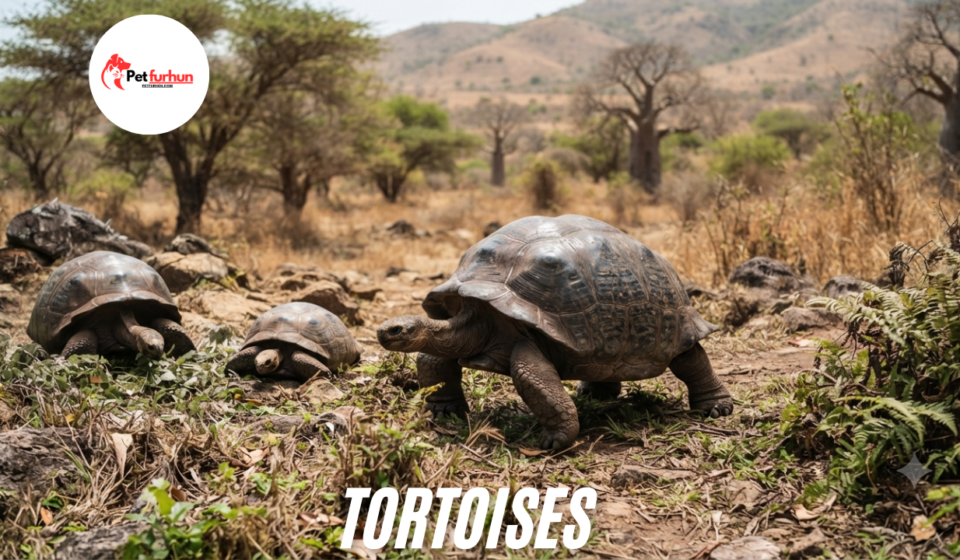

Tortoise are some of the oldest living reptiles on Earth, admired for their strong shells, calm behavior, and incredible ability to survive for many years. These land-dwelling animals have existed for millions of years and can be found in different environments, from dry deserts to tropical islands. Their unique appearance and peaceful nature have made them popular among wildlife lovers and reptile keepers around the world.
A tortoise is more than just a slow-moving animal with a hard shell. It has special adaptations that help it survive changing climates, limited food supplies, and natural threats. Understanding tortoises means learning about their species, lifestyle, diet, habitat, and the care they need to remain healthy.
What Is a Tortoise?
A tortoise is a type of reptile that belongs to the turtle family. Unlike many turtles that spend much of their lives in water, tortoises are mainly adapted for living on land. They have strong legs, sturdy feet, and a protective shell that helps defend them from predators and harsh environmental conditions.
The shell of a tortoise is one of its most important features. It is made from bone covered with a hard outer layer called keratin. A tortoise cannot leave its shell because the shell is connected to its body and grows with the animal throughout its life.
There are many different tortoise species around the world, and each one has adapted to its own environment. Some are small and lightweight, while others, such as giant tortoises, can grow to impressive sizes.
Difference Between a Tortoise and a Turtle
Although people often use the words tortoise and turtle as if they mean the same thing, there are important differences between them. Tortoises are mainly land animals, while many turtles are adapted for living in water.
Tortoises usually have rounded, dome-shaped shells and strong legs designed for walking. Their feet are thick and sturdy, helping them move across soil, sand, and rocky areas. Turtles often have flatter shells and limbs that help them swim.
Their diets can also differ. Most tortoises eat plants, grasses, flowers, and leaves, while many turtles have a more varied diet that may include insects, fish, and aquatic plants.
Where Do Tortoises Live?
Tortoises live in many parts of the world, including Africa, Asia, Europe, and North and South America. They can survive in different habitats because different species have developed special adaptations for their surroundings.
Some tortoises live in dry desert regions where temperatures can become extremely high. Desert tortoises avoid heat by hiding in burrows and becoming active during cooler parts of the day. Other species live in grasslands, forests, and island environments where vegetation is more abundant.
The famous Galápagos giant tortoise lives on the Galápagos Islands and is one of the largest tortoise species in the world. The Aldabra giant tortoise, found on the Aldabra Atoll in the Seychelles, is another well-known species that has adapted to island life.
What Do Tortoises Eat?
Most tortoises are herbivores, meaning their diet mainly consists of plants. In the wild, they eat grasses, leafy plants, flowers, weeds, and other vegetation available in their habitat.
A healthy diet is essential for tortoise growth and shell development. Many pet tortoises need a mixture of suitable greens and plants that provide important nutrients. Calcium is especially important because it helps maintain strong bones and a healthy shell.
The diet of a tortoise depends on its species. A desert tortoise may need different foods compared with a tropical tortoise. Giving the wrong type of food can lead to health problems, so owners should understand the specific needs of their tortoise.
How Long Do Tortoises Live?
One of the most amazing facts about tortoises is their long lifespan. Many tortoise species can live for several decades, and some giant tortoises are known to survive for more than 100 years.
Their slow growth, protective shells, and slow metabolism are some reasons they can live so long. However, lifespan depends on many factors, including species, diet, environment, and protection from diseases or predators.
Because tortoises can live for such a long time, owning one is a serious responsibility. A pet tortoise may remain part of a family for many generations.
Popular Tortoise Species
There are many fascinating tortoise species, each with unique characteristics. The Galápagos giant tortoise is famous for its enormous size and long lifespan. Some individuals can weigh hundreds of kilograms and live well over a century.
The African spurred tortoise is one of the largest mainland tortoise species. It is known for its size, strength, and ability to survive in dry environments.
The Indian star tortoise is popular because of its beautiful shell patterns. Its shell features star-like markings that make it one of the most recognizable tortoise species.
The leopard tortoise is another well-known species, named for the spotted pattern on its shell. It is commonly found in parts of eastern and southern Africa.
Tortoise Behavior and Lifestyle
Tortoises are generally calm and slow-moving animals. They spend much of their time searching for food, resting, and exploring their surroundings.
Although they move slowly, tortoises are not inactive animals. They have strong survival instincts and can travel long distances when searching for food, water, or suitable shelter.
Many tortoises are solitary and prefer living alone. However, some species may interact with others, especially during breeding seasons or when sharing suitable habitats.
Caring for a Pet Tortoise
Keeping a tortoise as a pet requires careful planning and commitment. A tortoise needs enough space to move, proper lighting, suitable temperatures, and a healthy diet.
A good habitat should match the natural environment of the species. Desert tortoises need dry conditions, while tropical species require more humidity and warmth.
Regular care is important because tortoises can hide signs of illness. Changes in appetite, activity levels, or shell condition may indicate health problems that require attention.
Why Tortoises Need Protection
Many tortoise species face threats from habitat destruction, illegal wildlife trade, and changes in their natural environments. Because tortoises grow slowly and reproduce gradually, population losses can take many years to recover.
Protecting tortoises requires preserving their habitats and reducing illegal collection from the wild. Responsible pet ownership also plays an important role in protecting wild populations.
Frequently Asked Questions
How long can a tortoise live?
A tortoise can live for many decades, and some large species may live for more than 100 years with proper conditions.
Are tortoises good pets?
Tortoises can be good pets for responsible owners who understand their long lifespan and care requirements.
Do tortoises need water?
Yes, tortoises need access to water for drinking and hydration, even species that live in dry areas.
What is a tortoise’s favorite food?
Most tortoises enjoy leafy plants, grasses, flowers, and other vegetation suitable for their species.
Can a tortoise recognize its owner?
Some tortoises can become familiar with their owners and recognize regular feeding routines and interactions.
Conclusion
Tortoises are remarkable reptiles with unique abilities, long lifespans, and fascinating behaviors. Their protective shells, plant-based diets, and ability to survive in different environments have helped them exist for millions of years.
Whether living in the wild or cared for as a pet, tortoises require respect and understanding. Learning about these animals helps people appreciate their importance and support efforts to protect them for future generations.