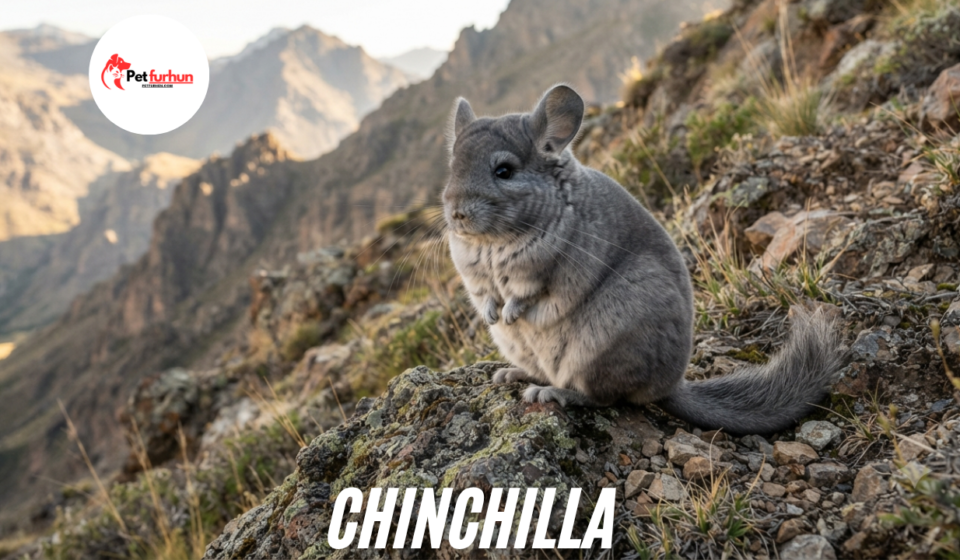

A chinchilla is one of the most unique small animals in the world, known for its incredibly soft fur, playful personality, and interesting natural habits. Originally found in the Andes Mountains of South America, chinchillas have adapted to cold, dry environments where they survive by hiding among rocks and staying active during cooler parts of the day.
Today, many people choose chinchillas as pets because they are clean, quiet, and fascinating to watch. However, owning a chinchilla is different from caring for common small pets like hamsters or guinea pigs. They have special dietary needs, require a cool environment, and need gentle handling. Understanding their behavior and care requirements helps owners provide a safe and healthy life for these unusual animals.
What Is a Chinchilla?
A chinchilla is a small rodent that belongs to the family Chinchillidae. There are two main species of chinchillas: the long-tailed chinchilla and the short-tailed chinchilla. Most pet chinchillas today come from the long-tailed chinchilla species.
Chinchillas are famous for their extremely dense fur, which helps protect them from cold mountain temperatures. Their coat is much thicker than that of most mammals, with many fine hairs growing from each hair follicle. This special feature makes their fur incredibly soft but also means they need specific grooming methods.
Unlike many pets that enjoy frequent physical contact, chinchillas are naturally cautious animals. They can become friendly with their owners over time, but they usually need patience and gentle interaction before they feel comfortable.
Chinchilla Natural Habitat and History
Wild chinchillas originally lived in rocky areas of the Andes Mountains in countries such as Chile and nearby regions. Their natural environment is dry, cold, and filled with rocky shelters where they can hide from predators.
For many years, chinchillas were hunted because of their valuable fur. Their soft coats became highly desired in the fur industry, causing wild populations to decline significantly. Conservation efforts have helped protect remaining populations, but wild chinchillas still face challenges from habitat loss and human activity.
Pet chinchillas are now bred in captivity and are different from their wild relatives in many ways. They depend on humans for proper food, shelter, and protection from unsuitable conditions.
Chinchilla Appearance and Physical Features
A chinchilla has a small, rounded body covered with thick fur, large ears, bright eyes, and a long tail. Adult chinchillas usually weigh between 400 and 700 grams, although size can vary depending on genetics and health.
Their strong back legs allow them to jump and climb easily. In the wild, these abilities help them move across rocky landscapes and escape danger. Pet chinchillas also enjoy climbing, jumping, and exploring, so their living space should allow them to stay active.
One of the most interesting features of a chinchilla is its fur. While the fur gives them a beautiful appearance, it also makes them sensitive to heat because their bodies cannot cool down easily in warm conditions.
Chinchilla Diet and Feeding Requirements
A healthy diet is one of the most important parts of chinchilla care. These animals need a high-fiber diet that supports their digestive system and keeps their teeth healthy.
The main food for a pet chinchilla should be high-quality hay, which helps provide the fiber they need. Special chinchilla pellets can also be included as part of their daily diet. Fresh water should always be available.
Chinchillas have sensitive digestive systems, so owners should avoid giving them foods that are high in sugar or fat. Many human foods, including sweets and processed snacks, can cause serious health problems. A proper diet helps prevent digestive issues and supports a longer, healthier life.
How to Care for a Pet Chinchilla
Taking care of a chinchilla requires attention to their environment, diet, and daily routine. They need a spacious cage with enough room to move, climb, and exercise. Safe wooden toys and chew items are useful because chinchillas naturally need to chew to maintain healthy teeth.
Temperature control is extremely important. Chinchillas do not tolerate heat well because their thick fur makes it difficult for them to cool themselves. A cool indoor environment is necessary to reduce the risk of heat-related illness.
Another important part of care is the dust bath. Chinchillas do not take water baths because their dense fur can trap moisture. Instead, they roll in special chinchilla dust that helps remove excess oils and keeps their coat clean.
Chinchilla Behavior and Personality
Chinchillas are intelligent and curious animals. They enjoy exploring their surroundings, jumping between platforms, and interacting with their environment. Many owners find their playful movements entertaining and enjoyable to watch.
They are usually most active during the evening and night. This natural schedule comes from their wild habits, where cooler temperatures make movement safer and more comfortable.
Every chinchilla has its own personality. Some are confident and social, while others are shy and need more time to build trust. Gentle handling and regular interaction can help create a positive relationship between a chinchilla and its owner.
Chinchilla Lifespan and Health
One reason chinchillas are a serious commitment is their long lifespan. With proper care, a pet chinchilla can often live for 10 to 20 years. This is much longer than many other small pets.
Good nutrition, a clean living area, and regular observation are important for maintaining their health. Dental problems are common because chinchilla teeth continue growing throughout their lives. Providing proper food and chew materials helps keep their teeth naturally worn down.
Owners should also watch for changes in eating habits, activity levels, or behavior. Chinchillas often hide signs of illness, so early attention to unusual changes can make a big difference.
Are Chinchillas Good Pets?
Chinchillas can be wonderful pets for people who understand their needs. They are quiet, clean, and have unique personalities that make them enjoyable companions. They also produce less odor compared with many other small animals.
However, they are not the best choice for everyone. Chinchillas are not usually pets that enjoy being carried around constantly, and they require more specialized care than some beginner pets.
A person considering a chinchilla should be prepared for a long-term responsibility. Providing the right environment, diet, and attention is essential for keeping them happy.
Final Thoughts
Chinchillas are fascinating animals with a combination of beauty, intelligence, and unique behaviors. Their soft fur and playful nature make them appealing, but they also require careful care and understanding.
For the right owner, a chinchilla can become a rewarding companion that brings years of enjoyment. Learning about their natural habits and needs is the first step toward creating a healthy and comfortable life for these remarkable animals.
Frequently Asked Questions
How long do chinchillas live?
Pet chinchillas can commonly live between 10 and 20 years when they receive proper nutrition, care, and a suitable environment.
Do chinchillas like being held?
Some chinchillas become comfortable with handling, but many prefer gentle interaction instead of frequent holding. Building trust slowly is the best approach.
What do chinchillas eat?
Chinchillas mainly eat hay and specially designed chinchilla food pellets. Their diet should be high in fiber and low in sugar and fat.
Do chinchillas need baths?
Chinchillas need dust baths instead of water baths. Dust helps clean their thick fur and keeps their coat healthy.
Are chinchillas easy pets for beginners?
Chinchillas can be good pets, but they require specific care. New owners should understand their diet, temperature needs, and behavior before adopting one.
Can chinchillas live alone?
Chinchillas can live alone if they receive enough attention from their owners. Some may enjoy living with another compatible chinchilla, but introductions must be handled carefully.