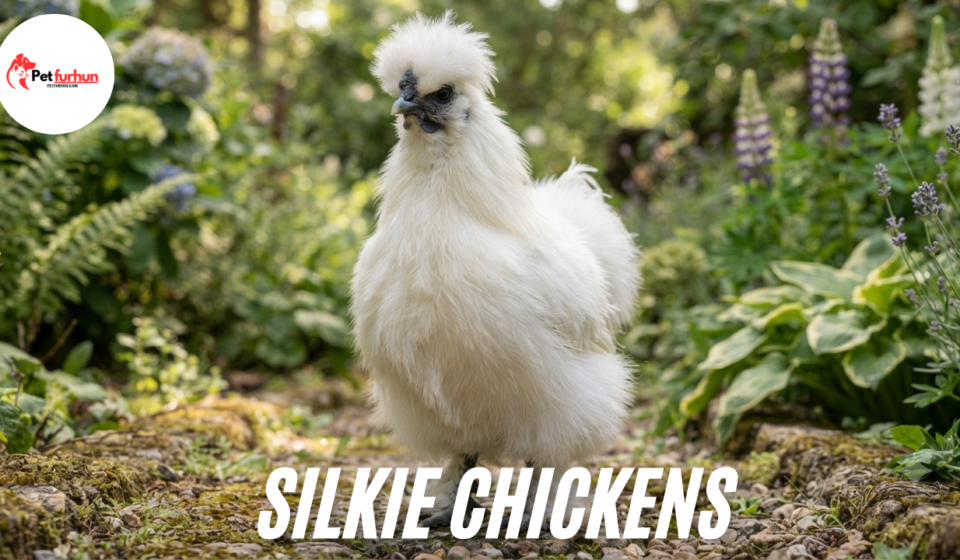

Silkie chickens are one of the most unusual and instantly recognizable poultry breeds in the world. At first glance, they don’t even look like chickens. Their soft, fluffy feathers, dark skin, and gentle behavior make them stand out in any backyard flock. This unique appearance often leads people to search for them out of curiosity, but what keeps them popular is their calm nature and strong maternal instincts.
entity[“animal”,”Silkie chicken”,”ornamental chicken breed”] are often kept more as companion birds than production animals. They are not high egg layers or commercial farm chickens, but they offer something different: personality, charm, and ease of handling. For many backyard keepers, that is more valuable than productivity.
Origin and Background of Silkie Chickens
Silkie chickens have a long and somewhat mysterious history. They are believed to have originated in Asia, most likely in China, where they were mentioned in early writings describing chickens with fur-like feathers. Over time, travelers and traders carried them along trade routes, introducing them to other parts of the world.
By the time they reached Europe, Silkie chickens were already considered exotic birds. Their unusual appearance made them popular in ornamental poultry collections rather than farms focused on meat or eggs. Today, they are widely recognized as one of the oldest and most distinctive bantam chicken breeds still kept in domestic settings.
Their long history is one reason they remain popular today. They carry a sense of tradition and curiosity that modern hybrid breeds do not offer.
Physical Appearance and Unique Features
The most defining feature of Silkie chickens is their feather structure. Unlike normal chickens, their feathers lack the stiff hooks that hold feathers together. This gives them a soft, hair-like appearance that feels closer to fur than traditional plumage. Because of this, they often look like small, fluffy balls rather than standard poultry.
Another striking feature is their skin color. Silkie chickens typically have dark or black skin, bones, and even tissues. This trait, combined with their fluffy feathers, creates a look that is completely different from most other chicken breeds. They also often have five toes instead of four, which further sets them apart.
Their small size adds to their charm. Most Silkies are classified as bantams, meaning they are naturally smaller than standard chicken breeds. Their compact build makes them suitable for small backyard spaces, urban setups, and hobby farms.
Temperament and Behavior
Silkie chickens are widely known for their gentle and calm personality. Unlike more active or aggressive chicken breeds, Silkies tend to move slowly and interact peacefully with both humans and other birds. This makes them especially popular among families and first-time chicken keepers.
They are not strong flyers due to their feather structure, which means they stay close to the ground and are easier to manage in enclosed areas. Many owners describe them as “pet-like” chickens because they are comfortable being handled and often tolerate close human interaction.
Their peaceful behavior also makes them suitable for mixed flocks. While they may be lower in the pecking order, they rarely cause trouble and usually avoid confrontation.
Egg Laying and Productivity
Silkie chickens are not known for high egg production. On average, a healthy Silkie hen lays a relatively small number of eggs compared to commercial breeds. Their eggs are also smaller in size, though they are perfectly edible and similar in taste to other chicken eggs.
What makes their egg-laying pattern unique is inconsistency. Silkies often go through long broody periods where they stop laying eggs entirely. During this time, they focus on sitting on nests instead of producing eggs. This behavior is natural and linked to their strong maternal instincts.
Because of this, Silkies are not ideal for people who want a constant supply of eggs. Instead, they are better suited for those who value behavior and companionship over production.
Broodiness and Mothering Instinct
One of the strongest traits of Silkie chickens is their intense broodiness. A broody hen will sit on eggs for long periods, carefully incubating them until they hatch. Silkies are known for being some of the best natural mothers in the chicken world.
They will not only hatch their own eggs but can also raise chicks from other chickens. In some cases, they even adopt eggs from different bird species. This makes them highly valuable in backyard breeding setups where natural incubation is preferred over artificial methods.
However, this strong instinct can also reduce egg production, since broody hens stop laying during incubation periods.
Care Requirements and Living Conditions
Silkie chickens are relatively easy to care for, but they do require some special attention due to their feather type. Their fluffy plumage can become wet and dirty more easily than standard feathers, which means they need clean, dry living conditions.
A well-ventilated but sheltered coop is important to protect them from rain and extreme weather. They are more sensitive to harsh conditions, especially cold, wet environments, where their feathers lose insulating ability.
Feeding them a balanced poultry diet, ensuring access to clean water, and maintaining a safe enclosure are usually enough to keep them healthy. Regular observation is also important because their fluffy feathers can sometimes hide early signs of health issues.
Lifespan and Health Considerations
With proper care, Silkie chickens typically live several years, often ranging between mid to long lifespan for backyard poultry. Their longevity depends heavily on environment, nutrition, and predator protection.
They are generally hardy birds, but their feather structure makes them more vulnerable to wet conditions and parasites if hygiene is not maintained. Regular coop cleaning and preventive care go a long way in keeping them healthy.
Despite their delicate appearance, Silkies are surprisingly resilient when properly managed.
Why Silkie Chickens Are Popular Today
The popularity of Silkie chickens has grown steadily, especially among backyard poultry enthusiasts. Their appeal comes from a mix of visual uniqueness, calm temperament, and strong maternal instincts.
Unlike commercial chickens, Silkies are not chosen for productivity. Instead, they are valued for companionship, ornamental purposes, and breeding support. Many small farms and hobby keepers use them as natural hatchers for other poultry eggs, while others simply enjoy keeping them as pets.
Their friendly nature also makes them a popular choice in educational farms, where children and beginners can interact with chickens safely.
Conclusion
Silkie chickens remain one of the most distinctive chicken breeds in the world. Their fluffy appearance, gentle behavior, and strong mothering instincts set them apart from nearly every other poultry type. While they are not high producers of eggs or meat, they offer something different that many backyard keepers appreciate.
They fit best in environments where care, attention, and companionship matter more than production output. For anyone looking for a calm, easy-to-handle, and visually unique chicken breed, Silkies continue to be a dependable and rewarding choice.