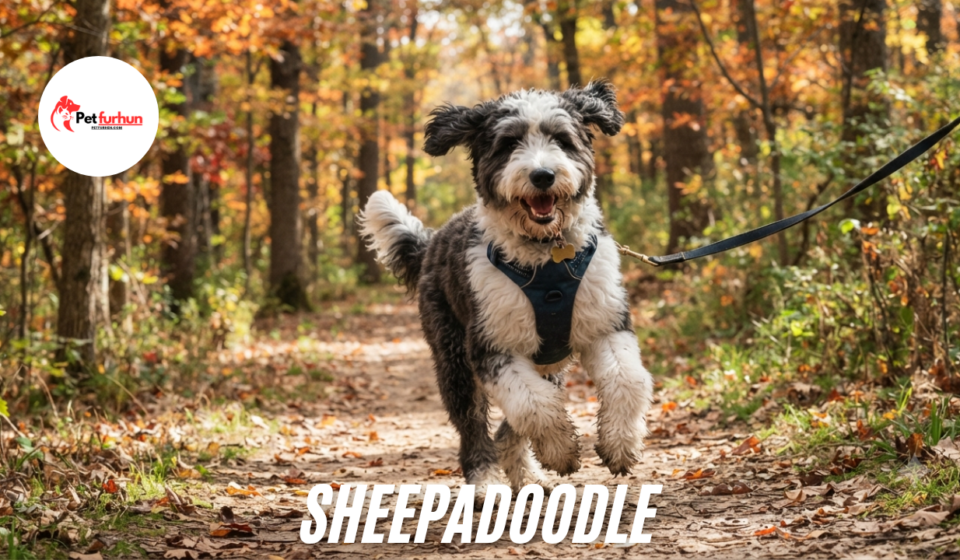

The Sheepadoodle is a popular designer dog known for its fluffy coat, friendly personality, and impressive intelligence. This adorable crossbreed comes from an Old English Sheepdog and a Poodle, combining the gentle nature of the Sheepdog with the smart and trainable qualities of the Poodle. Their teddy bear-like appearance and loving temperament have made them a favorite choice among families and dog lovers.
However, owning a Sheepadoodle is about more than just their attractive looks. These dogs need regular grooming, daily exercise, proper training, and plenty of attention from their owners. Before bringing one home, it is important to understand their personality, care requirements, size, health, and lifestyle needs.
What Is a Sheepadoodle?
A Sheepadoodle is a mixed-breed dog created by crossing an Old English Sheepdog with a Poodle. This combination was developed to bring together the best qualities of both breeds, including intelligence, loyalty, and a friendly family-oriented personality.
Because Sheepadoodles are not recognized as an official purebred breed by major kennel organizations, their appearance and temperament can vary. Some may look more like an Old English Sheepdog, while others may inherit more Poodle characteristics. Their coat type, size, and personality often depend on the genetics passed down from their parents.
Many owners choose Sheepadoodles because they are often affectionate, intelligent, and adaptable dogs. They can make excellent companions for families, couples, and individuals who have enough time to provide proper care.
Sheepadoodle Appearance and Size
One of the main reasons people love Sheepadoodles is their unique appearance. They usually have a soft, thick coat that can be wavy or curly, giving them a teddy bear-like look. Their floppy ears, round eyes, and fluffy body make them one of the most recognizable designer dogs.
Sheepadoodle colors commonly include black and white, gray, and combinations of these shades. Some puppies may develop more gray coloring as they mature. Their coat can vary depending on whether they inherit more traits from the Poodle or the Old English Sheepdog.
The size of a Sheepadoodle depends on the size of the Poodle parent. Standard Sheepadoodles are usually medium to large dogs, while smaller versions can be created using smaller Poodles. Most standard Sheepadoodles can weigh between 50 and 85 pounds, making them an active dog that needs enough space and exercise.
Sheepadoodle Temperament and Personality
Sheepadoodles are known for their loving and social personality. They usually form strong bonds with their families and enjoy being involved in daily activities. Many Sheepadoodles are happiest when they can spend time with their owners rather than being left alone for long periods.
Their Poodle heritage often gives them a high level of intelligence and curiosity, while their Old English Sheepdog background contributes to their gentle and loyal nature. These qualities make them enjoyable companions, but they also mean they need mental stimulation to stay happy.
Some Sheepadoodles may inherit herding behaviors from the Old English Sheepdog. This can include trying to guide children, animals, or family members. Proper training and socialization from an early age can help manage these natural instincts.
Are Sheepadoodles Good Family Dogs?
Many families consider Sheepadoodles because of their friendly and affectionate nature. They are often patient with children and enjoy interactive play, making them suitable for households that can provide attention and activity.
Their gentle personality can make them wonderful family pets, but supervision is still important, especially with younger children. Like all dogs, a Sheepadoodle’s behavior depends on training, socialization, and individual temperament.
They usually get along well with other pets when introduced properly. Early exposure to different people, animals, and environments helps them become confident and well-adjusted adults.
Sheepadoodle Training and Intelligence
Sheepadoodles are generally intelligent dogs that enjoy learning new commands and activities. Their Poodle background gives them strong problem-solving abilities, which can make training a rewarding experience.
Positive reinforcement methods work well with this breed. Rewards, praise, and consistency help them understand expectations and build confidence. Harsh training methods can damage trust and may make the process more difficult.
Because Sheepadoodles are smart, they can become bored without enough mental challenges. Training sessions, puzzle toys, and interactive games can keep their minds active and reduce unwanted behaviors.
Grooming Needs of a Sheepadoodle
The beautiful Sheepadoodle coat requires regular maintenance. Their thick hair can easily develop knots and mats if it is not brushed consistently. Owners should be prepared to spend time maintaining their coat or schedule professional grooming appointments.
Many Sheepadoodles need regular brushing several times a week, especially those with curlier coats. Regular grooming also helps keep their skin healthy and allows owners to notice any unusual changes early.
Although Sheepadoodles are often described as low-shedding dogs, they are not completely hypoallergenic. People with allergies may still react to them because allergens come from skin flakes, saliva, and other sources, not only fur.
Sheepadoodle Exercise Requirements
Sheepadoodles are active dogs that need daily exercise to stay healthy and balanced. Their working-dog background means they usually enjoy activities that challenge both their body and mind.
Daily walks, outdoor play, training exercises, and interactive games can help meet their energy needs. A Sheepadoodle that does not receive enough activity may become bored and develop behaviors such as excessive chewing or barking.
They can adapt to different living situations, but owners need to provide enough physical activity. A home with a yard can be helpful, although proper exercise is still required even with outdoor space.
Sheepadoodle Health and Lifespan
Like all dog breeds and mixes, Sheepadoodles can experience certain health concerns. Some issues may come from their parent breeds, including joint problems, eye conditions, allergies, and other inherited conditions.
Choosing a responsible breeder who focuses on healthy parent dogs can reduce the risk of some genetic problems. Regular veterinary visits, proper nutrition, exercise, and preventive care are important parts of keeping a Sheepadoodle healthy.
A healthy Sheepadoodle commonly has a lifespan of around 12 to 15 years, although this can vary depending on genetics, lifestyle, and overall care.
Is a Sheepadoodle the Right Dog for You?
A Sheepadoodle can be a wonderful choice for someone looking for a loyal, intelligent, and affectionate companion. They are especially suitable for owners who enjoy spending time with their dogs and are willing to provide regular grooming and exercise.
However, they are not the best option for everyone. Their grooming needs, activity level, and desire for companionship require commitment. People looking for a low-maintenance or independent dog may find this breed challenging.
Before adopting or purchasing a Sheepadoodle, consider your schedule, living space, and ability to meet the dog’s daily needs. A well-cared-for Sheepadoodle can become a loving and devoted member of the family.
Frequently Asked Questions
Are Sheepadoodles good pets?
Yes, Sheepadoodles can make excellent pets because they are usually affectionate, intelligent, and friendly. They do best with owners who can provide training, exercise, and companionship.
How big will a Sheepadoodle get?
A standard Sheepadoodle can commonly grow between 50 and 85 pounds, although size depends on the Poodle and Old English Sheepdog parents.
Do Sheepadoodles shed?
Shedding varies between individual dogs. Many Sheepadoodles shed less than some breeds, but they still require regular grooming to maintain their coats.
Are Sheepadoodles easy to train?
Most Sheepadoodles are intelligent and eager to learn. With consistent training and positive reinforcement, they usually respond well to commands.
How often should a Sheepadoodle be groomed?
Sheepadoodles need regular brushing to prevent mats, and many owners schedule professional grooming every few weeks depending on coat condition.
Are Sheepadoodles good with children?
Many Sheepadoodles are gentle and playful with children. Proper training, supervision, and early socialization help create a positive relationship between dogs and kids.
Conclusion
The Sheepadoodle has gained popularity because it combines the intelligence of the Poodle with the loyal and gentle nature of the Old English Sheepdog. Their friendly personality and unique appearance make them appealing to many dog lovers.
However, this breed requires dedication. Regular grooming, exercise, training, and attention are necessary to keep a Sheepadoodle happy and healthy.
For the right owner, a Sheepadoodle can be more than just a pet. It can become a loyal companion that brings energy, affection, and joy into everyday life.