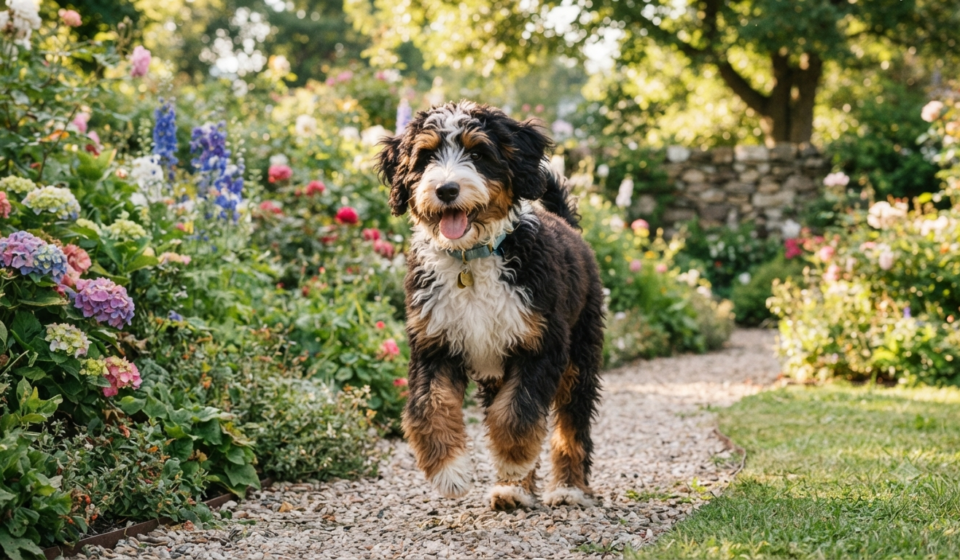

A Bernedoodle is a popular designer dog created by crossing a Bernese Mountain Dog with a Poodle. Known for their fluffy coats, friendly personalities, and strong connection with people, Bernedoodles have become a favorite choice among families and dog lovers. They are often admired for combining the calm and loyal nature of the Bernese Mountain Dog with the intelligence and trainability of the Poodle.
However, owning a Bernedoodle is not only about choosing a cute-looking companion. This dog mix has specific needs related to grooming, exercise, training, and health. Understanding their personality and care requirements can help potential owners decide whether a Bernedoodle is the right fit for their lifestyle.
What Is a Bernedoodle?
A Bernedoodle is a crossbreed between a Bernese Mountain Dog and a Poodle. The mix was developed to create a companion dog that could combine the gentle temperament of the Bernese Mountain Dog with the smart and lower-shedding coat qualities of the Poodle.
Because Bernedoodles are mixed-breed dogs, their appearance and personality can vary. Some may look more like a Bernese Mountain Dog, while others may have stronger Poodle features. Their coat type, size, and temperament often depend on their genetics and the generation of the Bernedoodle.
Unlike purebred dogs, Bernedoodles are not officially recognized as a separate breed by major kennel organizations. Instead, they are considered a designer hybrid that has gained popularity because of their appealing traits and family-friendly nature.
Bernedoodle Appearance and Size
One of the biggest reasons people are attracted to Bernedoodles is their distinctive appearance. They often have a soft, fluffy coat, expressive eyes, and the classic tri-color markings associated with the Bernese Mountain Dog. Their coats can be curly, wavy, or straighter depending on which traits they inherit from their parents.
Bernedoodles come in different sizes, mainly depending on the size of the Poodle parent. Standard Bernedoodles are the largest variety and can become large family dogs, while Mini Bernedoodles are smaller and may be better suited for people living in apartments or smaller homes.
A Standard Bernedoodle can often weigh between 50 and 100 pounds, while smaller varieties may weigh significantly less. Since every dog inherits a unique combination of genes, size predictions are not always exact.
Bernedoodle Personality and Temperament
Bernedoodles are generally known for being affectionate, playful, and people-oriented dogs. They often form strong bonds with their owners and enjoy being part of family activities. Many Bernedoodles are happiest when they can spend plenty of time with their human companions.
Their intelligence comes partly from their Poodle heritage, making them capable learners when training is consistent and positive. They usually respond well to reward-based training methods and can learn basic commands, manners, and routines with patience.
That said, Bernedoodles are not identical. Some may inherit the independent side of the Bernese Mountain Dog, while others may be more energetic like a Poodle. Early socialization and proper training help shape a confident and well-behaved adult dog.
Are Bernedoodles Good Family Dogs?
Many families choose Bernedoodles because of their friendly and gentle nature. They can make wonderful companions for households that have enough time to provide attention, exercise, and training.
Bernedoodles often enjoy playing with children and can become loyal family members when raised in a positive environment. However, like any dog, they should be taught appropriate behavior and supervised around young children.
This breed mix is not ideal for owners who want a low-maintenance pet that can be left alone for long periods. Bernedoodles usually enjoy companionship and may struggle with boredom or separation-related behaviors if they do not receive enough interaction.
Bernedoodle Training and Exercise Needs
Training is an important part of raising a healthy and balanced Bernedoodle. Their intelligence makes them capable learners, but they still need regular guidance and consistency. Starting training early can help prevent unwanted habits and build good behavior.
Bernedoodles typically need daily physical activity and mental stimulation. Regular walks, playtime, training games, and interactive toys can help keep them happy. A bored Bernedoodle may become restless or develop destructive behaviors.
Because they come from working dog backgrounds, both parent breeds enjoy having a purpose. Activities that challenge their minds can be just as valuable as physical exercise.
Grooming and Coat Care for Bernedoodles
Bernedoodle grooming requirements depend heavily on their coat type. Dogs with curlier coats often require more frequent brushing because their hair can easily develop mats and tangles. Regular grooming appointments are common for many Bernedoodle owners.
Although some Bernedoodles shed less than other dogs, no dog is completely non-shedding or completely hypoallergenic. People with allergies may react differently depending on the individual dog and their sensitivity.
Maintaining their coat is not only about appearance. Proper brushing, bathing, nail care, and ear cleaning help support overall health and comfort.
Bernedoodle Health and Lifespan
Like all dogs, Bernedoodles can experience health problems. Since they come from two different breeds, they may inherit health conditions associated with either parent. Common concerns can include joint issues, eye conditions, and other genetic problems.
Responsible breeding practices are important because health testing can help reduce the chances of passing on certain inherited conditions. Owners should also provide regular veterinary care, a balanced diet, and an appropriate exercise routine.
The lifespan of a Bernedoodle can vary depending on size, genetics, and overall care. Smaller Bernedoodles often tend to live longer than larger ones, but individual health and lifestyle factors make a major difference.
Bernedoodle Cost and Ownership Responsibilities
The cost of owning a Bernedoodle goes beyond the initial puppy price. Food, veterinary visits, grooming, training, and supplies all contribute to the long-term expense of caring for this dog.
Puppy prices can vary widely depending on breeder reputation, location, coat characteristics, and health testing. Choosing a responsible breeder who focuses on healthy dogs rather than appearance alone is an important step.
Future owners should also consider whether they have enough time for grooming, exercise, and companionship. A Bernedoodle can be a rewarding pet, but it requires commitment and attention.
Is a Bernedoodle the Right Dog for You?
A Bernedoodle can be an excellent companion for people who want an affectionate, intelligent, and social dog. Their combination of loyalty, playful energy, and friendly personality makes them appealing to many households.
However, they are not the perfect choice for everyone. Their grooming needs, exercise requirements, and desire for companionship mean they are best suited for owners who are ready to invest time and care.
Before bringing home a Bernedoodle, it is important to look beyond their adorable appearance and understand what daily life with this dog will really involve. For the right family, a Bernedoodle can become a loving and devoted companion for many years.
Frequently Asked Questions
Are Bernedoodles easy to train?
Bernedoodles are usually intelligent and willing to learn, which can make training easier compared with some breeds. Consistent positive training methods and early socialization are important for the best results.
Do Bernedoodles shed?
Bernedoodles may shed less than Bernese Mountain Dogs, but shedding varies between individual dogs. Coat type and genetics play a major role in how much they shed.
Are Bernedoodles good with kids?
Many Bernedoodles are gentle and playful with children. Proper training and supervision are important to help create safe interactions between dogs and young family members.
How big can a Bernedoodle get?
Bernedoodle size depends on whether the dog is Standard, Mini, or a smaller variety. Standard Bernedoodles can become large dogs, while smaller versions remain much more compact.
How often does a Bernedoodle need grooming?
Most Bernedoodles need regular brushing and professional grooming depending on their coat type. Curly coats usually require more maintenance than straighter coats.
Do Bernedoodles make good apartment dogs?
Smaller Bernedoodles may adapt well to apartment living if they receive enough exercise and attention. Larger Bernedoodles usually do better in homes with more space.
Conclusion
Bernedoodles have become popular because they offer a combination of beauty, intelligence, and affection. Their friendly personality and strong bond with people make them appealing companions for many families.
Still, this dog mix requires proper care, including regular grooming, exercise, training, and health attention. Choosing a Bernedoodle should be based on lifestyle compatibility rather than appearance alone.
For owners who can meet their needs, a Bernedoodle can provide years of companionship, loyalty, and happiness.