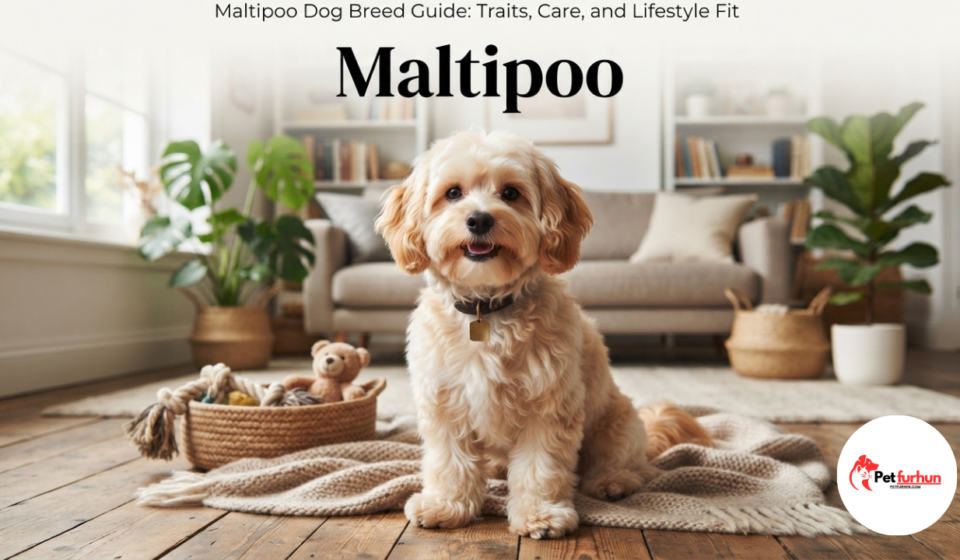

A Maltipoo is one of the most popular small companion dogs in modern pet culture, especially among people living in apartments or looking for a friendly, low-shedding pet. It is a cross between the Maltese and the Toy or Miniature Poodle, combining two breeds known for their affectionate nature and strong bond with humans. Over the years, the Maltipoo has become widely recognized as a designer hybrid that focuses more on companionship than working ability.
Interest in this breed usually comes from simple but important questions. People want to know how big a Maltipoo gets, how much grooming it needs, whether it sheds, and if it fits into a family lifestyle. While the breed is often described as easygoing and beginner-friendly, the reality is that it still requires consistent care and attention to thrive.
What a Maltipoo Actually Is
A Maltipoo is not a purebred dog but a hybrid created by crossing a Maltese with a Poodle. The goal behind this mix is to combine the gentle, affectionate personality of the Maltese with the intelligence and low-shedding coat of the Poodle. Because it is a mixed breed, Maltipoos are not officially recognized by major kennel clubs, and there is no strict breed standard that guarantees identical appearance or temperament.
This variation is part of what makes the Maltipoo unique. Even within the same litter, puppies can look slightly different depending on which parent they take after more strongly. Some may have curlier coats like a Poodle, while others may have softer, silkier fur closer to a Maltese. Despite these differences, the overall goal of the breed remains the same: a small, affectionate companion dog designed for close human interaction.
Size, Appearance, and Lifespan
Maltipoos are small dogs, which is one of their most appealing traits for urban pet owners. Most fall within a lightweight range, typically staying under twenty pounds when fully grown. Their height usually remains compact enough to make them easy to carry and manage in smaller living spaces.
Their appearance is often described as fluffy, soft, and teddy-bear-like. The coat can vary in texture, ranging from loose waves to tighter curls, and it comes in a variety of shades such as white, cream, apricot, or light brown. This diversity adds to their charm but also means grooming needs can differ from one dog to another.
In terms of lifespan, Maltipoos are generally long-living compared to larger breeds. Many live well into their early to mid-teens when given proper care, balanced nutrition, and regular veterinary attention. Their small size often contributes to this longer lifespan, as smaller dogs tend to experience fewer age-related complications earlier in life.
Temperament and Personality
The Maltipoo is widely known for its friendly and people-oriented personality. It tends to form strong emotional attachments with its owners and enjoys being involved in daily routines. This is not a breed that thrives in isolation. Instead, it prefers environments where it can stay close to people and receive regular attention.
One of the most notable traits of the Maltipoo is its sensitivity. These dogs respond strongly to tone and energy, which means they do best in calm, stable households. Harsh handling or inconsistent routines can lead to anxiety or behavioral issues. On the positive side, their emotional awareness makes them highly affectionate and often intuitive toward human moods.
They are also social animals when properly introduced. With early socialization, Maltipoos can get along well with children and other pets. However, due to their small size, interactions with very young children should always be supervised to avoid accidental injury.
Grooming and Daily Maintenance
Although Maltipoos are often marketed as low-maintenance dogs, grooming is a significant part of their care routine. Their coats do not shed heavily, but they continue growing and can become tangled if not brushed regularly. This makes grooming more about maintenance than cleanup.
Many owners find that daily brushing helps prevent matting and keeps the coat soft and manageable. Without consistent grooming, the fur can become dense and uncomfortable, which may lead to skin irritation over time. Professional grooming appointments are also commonly needed to keep the coat trimmed and healthy.
In addition to coat care, routine maintenance includes ear cleaning and dental hygiene. Small breeds like the Maltipoo are more prone to dental buildup, so regular attention to oral care is important. These routines are not optional if the goal is to maintain long-term health and comfort.
Exercise Needs and Living Environment
Maltipoos do not require intense physical activity, but they still need daily movement and mental stimulation. Short walks combined with indoor play are usually enough to keep them healthy and balanced. They enjoy interactive games and respond well to light training exercises that challenge their intelligence.
Because of their size and temperament, Maltipoos adapt very well to apartment living. They do not need large outdoor spaces, but they do need attention and engagement throughout the day. A lack of stimulation can lead to boredom, which may show up as barking or clingy behavior.
They are best suited for households where someone is frequently present or where the dog is not left alone for long periods. Their emotional dependence on human companionship is one of their defining characteristics.
Health and Long-Term Care
Like many hybrid dogs, Maltipoos can inherit health concerns from both parent breeds. While mixed breeding can sometimes reduce the likelihood of certain genetic issues, it does not eliminate risk entirely. Some of the more common concerns in small companion dogs include joint issues, dental problems, and sensitivity in the digestive system.
Regular veterinary care plays a key role in maintaining long-term health. Early checkups, a balanced diet, and preventive care all contribute to a better quality of life. Responsible breeding also makes a difference, as well-bred Maltipoos tend to have fewer health complications over time.
Is a Maltipoo the Right Dog for You
Choosing a Maltipoo is less about appearance and more about lifestyle compatibility. These dogs are ideal for people who want a close companion and can dedicate time to interaction and grooming. They are not independent dogs that enjoy long periods of solitude.
They fit well into families, singles, and seniors who can offer a stable and attentive environment. However, they may not be the best choice for households with very unpredictable schedules or limited time for daily care routines.
The appeal of the Maltipoo lies in its companionship. It is a dog that prioritizes closeness and emotional connection, making it a rewarding pet for the right owner.
Conclusion
The Maltipoo stands out as a small dog with a strong personality and a deep need for human connection. Its mix of intelligence, affection, and adaptability has made it one of the most sought-after companion breeds in recent years. While it may look simple to care for at first glance, it requires consistent grooming, attention, and emotional presence.
For those who can meet its needs, the Maltipoo offers long-term companionship and a steady, affectionate presence in daily life. Its value is not just in its appearance but in the bond it builds with the people around it.