
The Cavapoo has become one of the most searched small dog breeds, especially among people looking for a friendly companion that fits easily into family life or apartment living. A mix between a Cavalier King Charles Spaniel and a Toy or Miniature Poodle, this crossbreed is often chosen for its affectionate nature and soft, teddy-bear appearance. But popularity has also created confusion, with marketing claims sometimes stretching beyond what’s actually known about the breed.
What matters most is simple: what a Cavapoo truly is, how it behaves in real homes, and what kind of care it realistically needs.
What a Cavapoo Is and Why It Became Popular
A Cavapoo is a crossbreed dog created by mixing a Cavalier King Charles Spaniel with a Poodle. It belongs to a group of dogs often called “designer breeds,” which are intentionally bred hybrids rather than standardized kennel club breeds. Because of this, Cavapoos are not officially recognized as a formal breed by major organizations, and there is no strict standard for appearance or behavior.
The idea behind the Cavapoo was to combine two well-loved traits: the Cavalier’s gentle, people-focused personality and the Poodle’s intelligence and low-shedding coat. This combination quickly gained attention in Australia, the UK, and the United States, where small companion dogs have remained in high demand for decades. The result is a dog that is widely loved, but not genetically uniform, meaning each Cavapoo can differ slightly in size, coat, and temperament.
Size, Appearance, and Coat Differences
Cavapoos are generally small dogs, but their exact size depends on whether the Poodle parent is Toy or Miniature. Most Cavapoos grow somewhere between 8 and 25 pounds and stand around 9 to 14 inches tall at the shoulder. That range may not sound wide, but in real life it can mean noticeable differences between one dog and another.
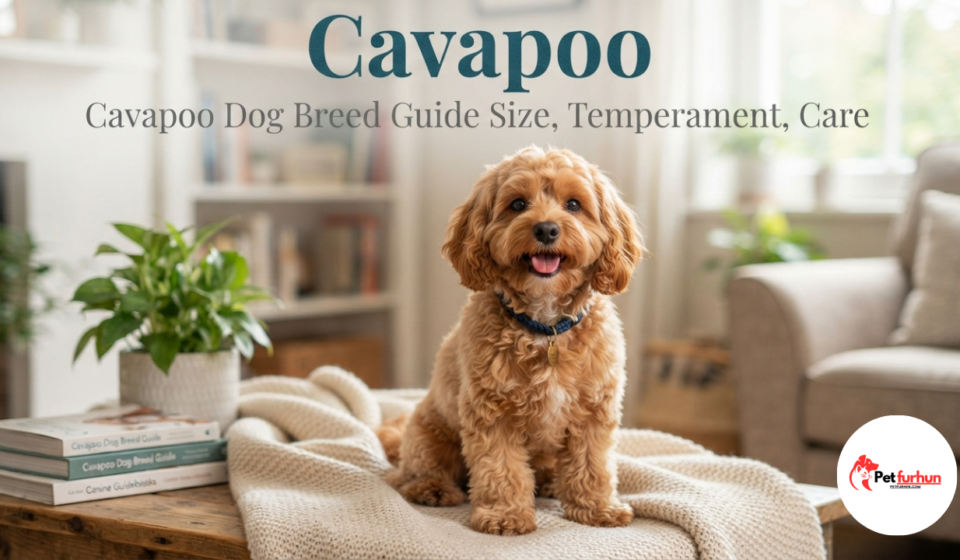
Their appearance is just as varied. Some Cavapoos have soft, wavy coats, while others develop tighter curls closer to a Poodle’s texture. Coat colors can include cream, apricot, red, black, chocolate, or mixed patterns. No single look defines the breed, which is part of its appeal but also something first-time owners often underestimate.
Here’s where expectations matter. While Cavapoos are often described as “low-shedding,” this is not a guarantee. Coat type varies widely, and shedding levels depend heavily on which parent genes dominate. Even within the same litter, one puppy may shed more than another.
Temperament and Everyday Behavior
Most Cavapoos are known for being affectionate, social, and people-oriented. They tend to bond closely with their owners and prefer staying near family members throughout the day. This strong attachment is one of their defining traits, but it also shapes how they handle alone time.
In many homes, Cavapoos behave like companion dogs that want to participate in everything. They enjoy attention, respond well to affection, and usually get along with children and other pets when properly socialized. Their temperament is often described as gentle rather than dominant or highly independent.
Not everyone talks about this clearly enough: Cavapoos are not suited to long hours alone. They can develop separation-related stress if left without companionship too often. This is less about training and more about their natural attachment style inherited from both parent breeds.
Training and Mental Stimulation
Cavapoos are generally easy to train because they inherit intelligence from the Poodle side and a willingness to please from the Cavalier side. They respond best to calm, reward-based training rather than strict correction. Consistency matters more than intensity, especially in the early months.
They also need mental stimulation beyond basic obedience. Without it, boredom can lead to unwanted habits such as barking or chewing. Short training sessions, puzzle toys, and interactive play help keep their attention engaged without overwhelming them.
Social exposure is equally important. Cavapoos that are introduced early to different environments, sounds, and people tend to grow into more confident adult dogs.
Exercise Needs and Daily Routine
Cavapoos do not require extreme exercise, but they still need daily movement to stay balanced and healthy. Most do well with around 30 to 60 minutes of activity per day, split between walks and playtime.
They adapt well to apartment life as long as they are not neglected physically or mentally. A short walk alone is not enough for most Cavapoos. They enjoy interaction-based activities more than long endurance exercise.
Weather can also influence their comfort. They are usually more sensitive to heat than cold, especially if they have thicker coats. Owners often adjust grooming length depending on climate, but that also affects coat maintenance needs.
Grooming and Coat Maintenance
Grooming is one of the most important long-term responsibilities of owning a Cavapoo. Their coats can easily become tangled if not brushed regularly, particularly those with curlier Poodle-like fur. Without care, matting can develop quickly and become uncomfortable for the dog.
Most Cavapoos need brushing several times a week, along with professional grooming every six to eight weeks. Ear cleaning is also important because their floppy ears can trap moisture and increase the risk of infections.
This is not a low-maintenance breed in terms of grooming. While they may be small and manageable in size, their coat requires consistent attention throughout their life.
Lifespan and Health Considerations
Cavapoos typically live between 10 and 15 years, depending on genetics, diet, and overall care. Smaller Cavapoos sometimes live closer to the upper end of that range, though health is never guaranteed.
Because they come from two different breeds, they can inherit health conditions from both sides. Heart conditions such as mitral valve disease are seen in Cavaliers, while Poodles can pass on certain eye or joint issues. This does not mean every Cavapoo will experience these problems, but it does highlight the importance of responsible breeding and regular veterinary care.
Weight management is also important. Small dogs can gain weight easily, and excess weight puts extra strain on joints and heart health over time.
Conclusion
The Cavapoo is best understood as a companion dog first and a designer breed second. Its appeal comes from a mix of intelligence, affection, and adaptability, but those traits also come with expectations around time, attention, and grooming.
This is not a low-effort pet, even if its size suggests otherwise. Cavapoos thrive in homes where they are included in daily life and not left alone for long periods.
For the right owner, they offer steady companionship and a strong emotional bond that lasts for years. But that bond works best when the lifestyle around them matches their need for closeness, structure, and care.