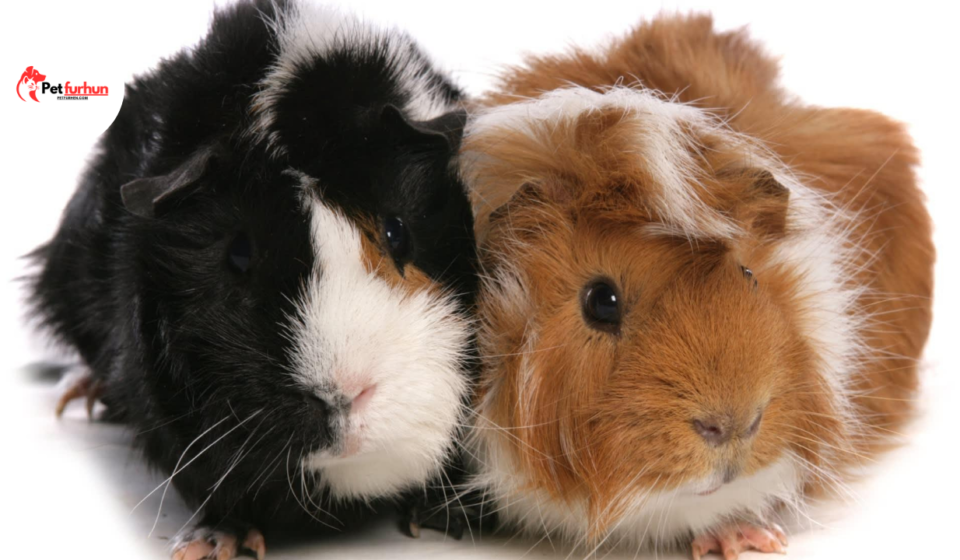

Guinea pigs are among the most loved small pets in the world. Known for their gentle nature, social behavior, and adorable appearance, these furry companions have become a favorite choice for families, children, and animal lovers. Although they are small in size, guinea pigs have unique care requirements and personalities that make them stand out from many other household pets.
Whether you are considering adopting a guinea pig or simply want to learn more about these fascinating animals, understanding their behavior, needs, and lifestyle can help you appreciate them even more.
What Is a Guinea Pig?
A guinea pig is a small domesticated rodent that belongs to the cavy family. Despite their name, guinea pigs are not related to pigs and do not come from Guinea. They were originally domesticated in South America thousands of years ago and have been kept by humans ever since.
Today, guinea pigs are commonly raised as pets because of their friendly temperament and ability to bond with people. They are available in many different colors, coat types, and breeds, making each guinea pig unique in appearance.
Physical Characteristics of Guinea Pigs
Guinea pigs have compact bodies, short legs, and rounded heads with large eyes and small ears. Most adult guinea pigs weigh between one and three pounds, depending on their breed and diet. Their fur can be short, long, curly, or silky, creating a wide variety of looks.
Unlike many other rodents, guinea pigs do not have visible tails. Their strong teeth continue growing throughout their lives, which is why they need a proper diet and safe chewing materials to maintain dental health.
Guinea Pig Behavior and Personality
One of the biggest reasons people love guinea pigs is their charming personality. These animals are naturally social and enjoy interacting with both humans and other guinea pigs. Many owners quickly learn to recognize their pets’ different sounds and behaviors.
Guinea pigs communicate through squeaks, whistles, purrs, and chirping noises. They often make excited sounds when they hear food being prepared. Some guinea pigs also perform a playful behavior called “popcorning,” where they jump and twist in the air when they feel happy or excited.
Why Guinea Pigs Make Great Pets
Guinea pigs are often recommended for people looking for a friendly and manageable pet. They are generally gentle, rarely aggressive, and can become comfortable with regular handling. Their curious nature makes them enjoyable to watch as they explore their surroundings.
Another advantage is their predictable routine. Guinea pigs quickly learn feeding times and often respond to their owners’ voices. With proper care and attention, they can develop strong bonds with family members and become affectionate companions.
Housing Requirements for Guinea Pigs
Providing a suitable home is one of the most important aspects of guinea pig care. These animals need enough space to move around comfortably, exercise, and interact with companions. A spacious cage with good ventilation helps support both physical and mental well-being.
The enclosure should include soft bedding, hiding places, food dishes, and constant access to fresh water. Guinea pigs enjoy having safe areas where they can rest and feel secure. Regular cleaning is also essential to maintain a healthy living environment and prevent unpleasant odors.
What Do Guinea Pigs Eat?
A healthy diet plays a major role in the overall well-being of a guinea pig. Hay should make up the largest portion of their daily food intake because it supports digestion and helps wear down continuously growing teeth.
Fresh vegetables can provide additional nutrients and variety. Leafy greens are especially beneficial when offered in appropriate amounts. High-quality guinea pig pellets can also be included as part of a balanced diet. Clean drinking water should always be available to keep guinea pigs hydrated throughout the day.
The Importance of Vitamin C
Guinea pigs have a unique nutritional requirement that sets them apart from many other pets. Their bodies cannot produce vitamin C naturally, which means they must obtain it through their diet.
Without enough vitamin C, guinea pigs can develop health problems that affect their joints, skin, and overall condition. Fresh vegetables and specially formulated guinea pig foods help meet this requirement. Pet owners should pay close attention to their pet’s nutritional needs to support long-term health.
Common Health Issues in Guinea Pigs
Like all pets, guinea pigs can experience health problems if their care needs are not met. Dental issues, respiratory infections, skin conditions, and digestive problems are among the most common concerns. Early detection is important because guinea pigs often hide signs of illness.
Changes in appetite, unusual behavior, weight loss, or difficulty breathing should never be ignored. Regular observation and prompt veterinary care can help identify potential issues before they become serious. Preventive care and a proper diet remain the best ways to support a healthy guinea pig.
How Long Do Guinea Pigs Live?
Compared to many other small rodents, guinea pigs have a relatively long lifespan. Most healthy guinea pigs live between five and eight years when provided with proper care, nutrition, and a suitable environment.
Their lifespan depends on several factors, including genetics, diet, housing conditions, and overall health management. Responsible ownership can significantly improve both the quality and length of a guinea pig’s life.
Can Guinea Pigs Live Alone?
Guinea pigs are naturally social animals that often enjoy the company of other guinea pigs. Many experts recommend keeping them in compatible pairs or small groups whenever possible. Social interaction helps reduce boredom and encourages natural behaviors.
While some guinea pigs can live alone if they receive plenty of human attention, companionship from another guinea pig is often beneficial. Proper introductions and careful monitoring can help ensure that guinea pigs live together peacefully.
Interesting Facts About Guinea Pigs
Guinea pigs have several fascinating traits that many people do not know about. They can recognize familiar voices and often learn to associate certain sounds with feeding time. Their constantly growing teeth require regular chewing to stay healthy. They are also unable to climb or jump as effectively as many other rodents, which influences how their habitats should be designed.
Another interesting fact is that guinea pigs have been companions to humans for thousands of years. Their long history and friendly nature continue to make them one of the most popular small pets worldwide.
Conclusion
Guinea pigs are affectionate, intelligent, and social animals that can bring years of companionship to the right home. Their friendly personalities and unique behaviors make them enjoyable pets for both individuals and families. However, they also require proper housing, a balanced diet, regular care, and social interaction to thrive.
Understanding the needs of a guinea pig before bringing one home is essential for responsible pet ownership. With the right environment and attention, these charming little animals can live happy, healthy lives and become beloved members of the family.
Frequently Asked Questions
Are guinea pigs good pets for beginners?
Yes, guinea pigs are often considered excellent pets for beginners because they are friendly, easy to handle, and generally gentle. However, they still require daily care and attention.
What is the average lifespan of a guinea pig?
Most guinea pigs live between five and eight years, although some may live longer with excellent care and proper nutrition.
Do guinea pigs need a companion?
Guinea pigs are social animals and often benefit from living with another compatible guinea pig. Companionship can improve their overall well-being.
What foods should guinea pigs avoid?
Guinea pigs should avoid foods that are toxic or unsuitable for their digestive systems. A diet focused on hay, fresh vegetables, and quality pellets is generally recommended.
How often should a guinea pig cage be cleaned?
Spot cleaning should be performed regularly, while a more thorough cage cleaning should be done at least once a week to maintain a healthy environment.
Do guinea pigs recognize their owners?
Yes, many guinea pigs learn to recognize their owners’ voices, routines, and presence over time. They often respond when they know food or attention is coming.