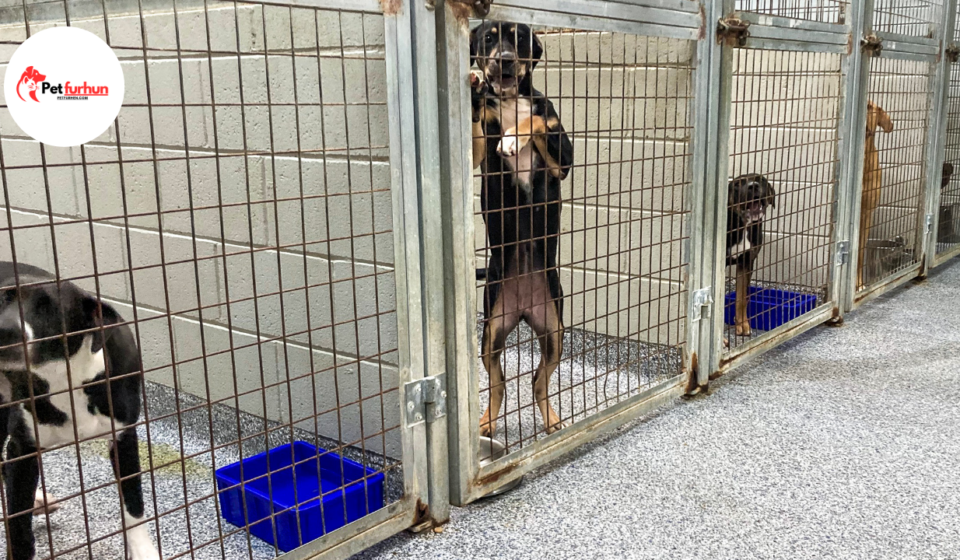

Dog shelters are places where dogs who are lost, abandoned, or surrendered find safety and care. These organizations play a vital role in connecting animals in need with families ready to provide loving homes. More than just temporary housing, modern dog shelters focus on medical care, behavior support, and matching dogs with the right adopters. They exist to give dogs a second chance at life and provide the community with responsible ways to adopt, foster, or support animals.
What a Dog Shelter Does
A dog shelter is designed to provide immediate care for dogs without homes. Staff members ensure that each dog receives medical attention, including vaccinations, microchipping, and spaying or neutering when necessary. They also observe the dogs’ behavior to understand temperament and needs. This helps shelters make informed decisions about adoption matches and fosters. Beyond basic care, shelters work to socialize dogs, especially those who have been neglected or traumatized, preparing them for a smooth transition into a new family.
Why Dogs End Up in Shelters
Dogs arrive at shelters for many reasons. Some are lost or stray animals, while others are surrendered due to changes in their owner’s life. Financial difficulties, relocation, housing restrictions, or health issues often force families to make difficult choices. In some cases, dogs are rescued from abusive or unsafe conditions. These circumstances show that the dogs themselves are not at fault, and many of them are healthy, loving, and ready to thrive in a caring environment.
The Adoption Process
Adopting a dog from a shelter is a thoughtful process designed to ensure the right match. Families meet potential dogs, ask questions about temperament and history, and complete an adoption application. Shelters often discuss living situations, schedules, and expectations to match the dog with the right home. This careful approach reduces the likelihood of returns and ensures that each dog has a better chance of long-term happiness. Adoption fees typically cover initial medical care, making it easier for families to provide for their new pets.
Benefits of Adopting a Shelter Dog
Adopting from a shelter has benefits that go beyond saving one animal. Every adoption opens space for another dog to be rescued, helping reduce overcrowding. Shelter dogs often come vaccinated, spayed or neutered, and microchipped, which lowers initial veterinary costs. Many people find that shelter dogs are already house-trained, socialized, or have learned basic obedience skills. Adopters also experience the reward of giving a dog a second chance and forming a lifelong bond.
Challenges Shelters Face
Running a shelter comes with challenges. Overcrowding is common, especially in urban areas where intake exceeds capacity. Dogs with medical issues, older dogs, or larger breeds may wait longer for adoption. Financial constraints affect staffing, medical care, and enrichment activities for the animals. Despite these hurdles, shelters rely on donations, volunteers, and community support to continue providing safe and nurturing environments for dogs in need.
Foster Programs and Temporary Care
Foster programs help shelters manage space and provide special care for dogs that need more attention. Dogs recovering from medical procedures, puppies, or animals experiencing stress can live temporarily with volunteer families. Foster homes offer a calmer environment and help dogs adapt to normal household routines. These programs also give shelters additional insight into a dog’s behavior, making adoption placements more successful.
How to Support Your Local Shelter
Not everyone can adopt, but there are many ways to help shelters. Donations assist with veterinary care, food, and operational costs. Volunteering allows people to walk dogs, socialize them, or help with events. Sharing shelter profiles online increases visibility for dogs needing homes. Foster families provide essential temporary care. Every effort contributes to the well-being of the animals and the overall mission of the shelter.
Considering a Shelter Dog
Bringing a shelter dog into your home requires commitment. Dogs need daily care, exercise, veterinary attention, and consistent training. Families should assess their schedules, space, and ability to meet a dog’s needs. Matching expectations with reality is key. Shelter staff can provide guidance on temperament, energy levels, and compatibility to help ensure a successful adoption.
Conclusion
Dog shelters serve as a lifeline for dogs without homes. They provide care, safety, and hope, helping animals heal and find permanent families. Adoption, fostering, volunteering, or donating are ways the community can support these organizations. By choosing adoption, families not only gain a loyal companion but also make a difference in the life of a dog. Shelters remind us that every dog deserves love, attention, and the chance for a better life.