
When a hen becomes egg bound, it means an egg is stuck inside her reproductive system and she is unable to lay it naturally. This condition is one of the most serious problems in backyard chickens because it can quickly turn dangerous if not noticed early. Many chicken keepers first realize something is wrong when a hen suddenly stops behaving normally, sits for long periods in the nesting box, or appears weak and uncomfortable.
Egg binding is not a rare issue, especially in laying hens that are under stress, lack proper nutrition, or produce unusually large eggs. The condition requires careful attention because the longer the egg stays trapped, the more pressure it puts on the hen’s internal organs.
What is an Egg Bound Chicken
An egg bound chicken is a hen that cannot pass an egg through the oviduct and out of the vent. The egg may be fully formed with a hard shell or sometimes soft and misshaped, but in both cases it becomes stuck inside the reproductive tract. When this happens, the natural muscle contractions that normally push the egg out become weak or blocked.
This condition is also known as egg binding or dystocia. It is considered an emergency situation in poultry care because it affects not only egg production but also the hen’s ability to pass waste normally. In severe cases, it can lead to infection, internal damage, or death if not treated in time.
Main Causes of Egg Binding in Chickens
There is usually not a single cause behind egg binding. Instead, it develops due to a combination of physical stress, nutritional imbalance, and reproductive challenges.
One of the most common reasons is low calcium levels in the hen’s body. Calcium is essential for strong muscle contractions in the oviduct. When a hen lacks enough calcium, the muscles become weak and are unable to push the egg forward. This makes it easier for the egg to get stuck.
Another important factor is egg size and shape. Some hens naturally produce larger eggs, especially as they mature. If an egg is too large or oddly shaped, it may not pass smoothly through the reproductive tract. Overweight hens are also at higher risk because excess fat can put pressure on internal organs and reduce muscle efficiency.
Stress is another major contributor. Sudden changes in environment, extreme temperatures, or lack of a safe nesting area can disrupt normal laying behavior. In some cases, young hens that start laying before their body is fully developed can also experience egg binding.
Symptoms and Warning Signs to Watch
An egg bound chicken usually shows clear changes in behavior and physical condition. One of the earliest signs is spending long hours in the nesting box without producing an egg. The hen may appear restless, sit repeatedly, or act as if she is trying to lay but cannot complete the process.
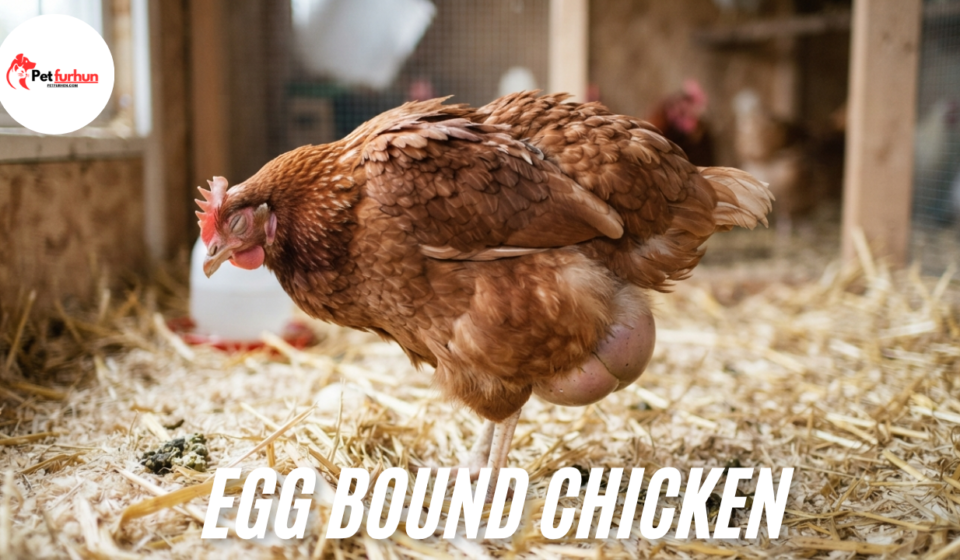
As the condition progresses, the hen often becomes weak and less active. She may stop eating or drinking properly and isolate herself from the rest of the flock. A very common sign is a penguin-like posture where the hen stands upright with a tense body and lowered tail.
Breathing may also become slightly labored because of internal pressure. In some cases, the abdomen may look swollen or firm when touched gently. Droppings may become very small or stop completely because the egg is physically blocking the passage.
These symptoms should always be taken seriously because they usually indicate that the egg is not moving and the situation may be worsening.
Why Egg Binding Becomes Dangerous Quickly
Egg binding can become life-threatening in a short time if the egg remains stuck. The pressure from the trapped egg affects nearby organs, including the digestive tract and blood flow in the reproductive system. As the egg stays inside, the hen becomes more exhausted and dehydrated, which weakens her condition further.
The longer the blockage continues, the higher the risk of infection and internal injury. The hen may struggle to stand or may become completely inactive. In severe cases, toxins can build up in the body because waste cannot pass normally.
This is why quick observation and timely care are extremely important. Even a delay of one or two days can make a significant difference in recovery chances.
Treatment and Care for an Egg Bound Chicken
If a hen is suspected to be egg bound, the first step is to reduce stress and create a calm environment. The hen should be placed in a warm, quiet, and dim space where she can relax. Warmth helps loosen the muscles around the reproductive tract, which may assist in passing the egg naturally.
Hydration is also very important. Giving clean water and ensuring the hen is drinking can support muscle function. Some chicken keepers use gentle warmth techniques, which can help relax the body and encourage natural laying movement.
In mild cases, the egg may pass after a short period of rest and care. However, if there is no improvement or the hen becomes weaker, professional veterinary help is necessary. A veterinarian can assess the situation and may provide calcium support, fluids, or other treatments to help the hen safely pass the egg.
In more serious cases, medical intervention is required to remove the egg. This must always be done carefully to avoid injury to the reproductive tract.
Prevention of Egg Binding in Hens
Preventing egg binding is mostly about maintaining good daily care. A balanced diet with proper calcium levels is one of the most important factors. Layer feed designed for laying hens usually provides essential nutrients needed for healthy egg production.
A clean, stress-free environment also plays a big role. Hens should have enough space to move freely and access to comfortable nesting areas. Sudden changes in environment should be avoided whenever possible, as stress can affect their laying cycle.
Maintaining a healthy body weight is equally important. Overweight hens are more likely to develop reproductive issues, including egg binding. Regular observation of flock behavior helps identify early signs of health problems before they become serious.
Conclusion
Egg bound chicken conditions require quick attention because they can become serious in a short time. The condition happens when an egg gets stuck in the reproductive tract and prevents normal laying. While it can sometimes resolve with rest and care, it often needs immediate support to avoid complications.
Understanding the symptoms and causes helps chicken keepers respond early and improve the chances of recovery. A healthy diet, proper calcium intake, and a stress-free environment remain the strongest ways to prevent egg binding in laying hens. Careful observation is always the key to keeping backyard chickens safe and healthy.