
Animal control is a public service that deals with animals in communities when safety, health, or welfare is at risk. Most people only notice it when there is a stray dog in the street, a wildlife issue in a backyard, or a report of an animal bite. Behind those moments is a structured system that connects local government, public health departments, and animal shelters.
The main goal is simple: reduce risk to people while treating animals as safely and humanely as possible. That includes preventing disease, handling stray populations, responding to emergencies, and enforcing local animal laws. Even though the service varies by region, the core purpose remains consistent across most cities and counties.
What animal control means in practice
Animal control refers to local government services that manage animals affecting public safety or welfare. These services are usually run by counties, cities, or contracted humane organizations. Officers work in the field, responding directly to calls from the public.
In many places, animal control is part of a broader animal services department. That means the work is not limited to enforcement. It also includes education, shelter coordination, and helping reunite lost pets with their owners.
The focus is on situations where animals cannot be safely handled by the public. That might include injured animals, aggressive behavior, or animals exposed to dangerous environments.
Why animal control systems exist
Animal control systems developed largely because of public health concerns. One of the most important issues is rabies prevention. Rabies is a viral disease that affects the nervous system and is almost always fatal once symptoms appear.
Because rabies can spread through bites or scratches, governments needed a way to track animal exposure and respond quickly to incidents. This led to structured reporting systems for animal bites and quarantine rules for suspected cases.
Over time, responsibilities expanded beyond disease control. Cities began using animal control to manage stray populations, reduce animal-related traffic hazards, and handle cases of neglect or cruelty. Today, it is a mix of public safety and animal welfare work.
What animal control officers actually do
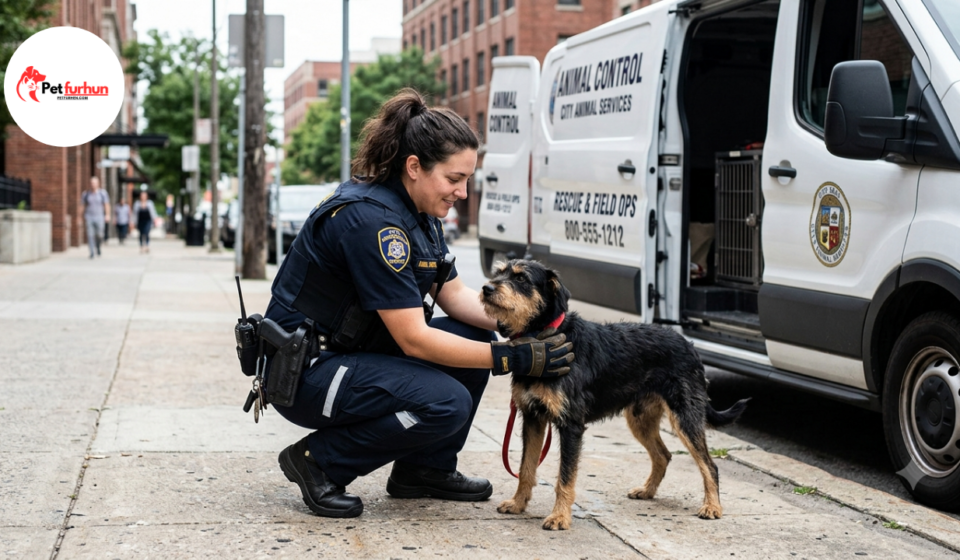
Animal control officers handle a wide range of tasks that change depending on daily calls. One of their most common duties is responding to stray animals. They capture and transport them to shelters or holding facilities where owners can reclaim them.
They also investigate reports of animal bites. When a bite occurs, officers try to identify the animal, check vaccination records, and determine whether quarantine is needed. This process helps doctors decide whether a person needs preventive treatment for rabies exposure.
Another important responsibility is enforcing local laws. This can include leash rules, pet licensing, and vaccination requirements. Officers may issue warnings or reports when laws are not followed.
In some cases, they respond to emergencies involving animals in dangerous situations. This might include animals trapped in vehicles, injured wildlife, or animals exposed to extreme weather.
What happens to stray and lost animals
When animal control picks up a stray animal, the first step is identification. Officers look for tags, microchips, or any signs of ownership. If the owner is found, the animal is usually returned quickly.
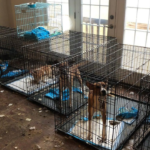
If no owner is identified, the animal is taken to a shelter or holding facility. There, it is kept for a legally required holding period. This gives owners time to reclaim their pets.
After that period, outcomes vary. Some animals are adopted, others are transferred to rescue groups, and some may not survive due to illness, injury, or lack of space. The exact process depends on local policies and shelter capacity.
The goal in most modern systems is to reduce euthanasia rates and increase adoption whenever possible, but resources differ widely between regions.
How animal control supports public health
Animal control plays a direct role in preventing disease and protecting public health. The most important example is rabies control, where quick response to bites is critical.
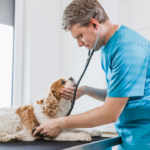
When a bite is reported, animal control works with medical providers and health departments to assess risk. The animal may be quarantined or observed for signs of illness. This helps determine whether the exposed person needs treatment.
Animal control also monitors patterns in wildlife behavior. Unusual activity, such as animals acting aggressively or appearing in unexpected areas, can signal disease or environmental stress.
By tracking these incidents, communities can respond before problems spread.
Challenges animal control officers face
The job is often physically demanding and emotionally difficult. Officers deal with aggressive animals, distressed owners, and urgent safety situations. Each case can require quick decisions with limited information.
Another challenge is limited resources. Many local departments handle large areas with small teams. This can affect response times and reduce the ability to focus on preventive programs like public education.
There is also a balancing act between enforcement and compassion. Officers must follow laws while also considering the welfare of animals in stressful situations.
Common misunderstandings about animal control
One common misunderstanding is that animal control only removes animals. In reality, a large part of the work involves returning lost pets, educating the public, and preventing incidents before they happen.
Another misconception is that stray animals are immediately euthanized. While euthanasia does occur in some cases, especially when animals are severely ill or dangerous, many animals are adopted or transferred to rescue organizations.
People also sometimes assume animal control and shelters are the same thing. They are connected but serve different roles. Animal control responds to incidents, while shelters focus on housing and caring for animals.
Frequently Asked Questions
What does animal control do daily?
Animal control officers respond to calls about stray animals, bites, and safety concerns. They also enforce local laws and help transport animals to shelters.
Who should contact animal control?
Anyone who sees a dangerous stray animal, experiences an animal bite, or finds an injured animal should contact animal control or local emergency services.
Does animal control deal with wildlife?
Yes, many animal control agencies handle wildlife when it poses a risk to people or appears injured or sick.
What happens after a dog bite report?
The animal is identified and usually observed or quarantined. Health officials use this information to assess rabies risk and decide on medical steps.
Is animal control part of the police?
In some areas it is connected to law enforcement, but in many places it operates as a separate municipal or county department.
Conclusion
Animal control is an important public service that helps manage the relationship between people and animals in shared environments. It reduces risks from disease, supports public safety, and ensures animals are handled in structured and humane ways.
Although most people only see it during emergencies or unusual situations, it plays a steady role in keeping communities balanced and safe. As cities grow and human-animal interaction increases, the need for effective animal control services becomes even more important.
Understanding how the system works helps people respond better in real situations, whether that means reporting a stray animal or knowing what happens after a bite incident.