
Animal abuse is one of the most serious issues in animal welfare, yet it often goes unnoticed until the damage becomes extreme. It includes both intentional harm and neglect, and it affects millions of animals every year across homes, farms, streets, and shelters. While laws exist in many countries to reduce cruelty, the problem continues because of lack of awareness, weak reporting systems, and poor understanding of animal needs.
People search for “animal abuse” because they want to understand what it actually means, how to identify it, and what can be done when they see it. Some are pet owners trying to do the right thing, while others are concerned citizens who suspect cruelty nearby. The topic is not just emotional; it is also legal, social, and ethical.
What Animal Abuse Really Means
Animal abuse refers to any action or failure to act that causes unnecessary pain, suffering, or distress to an animal. This can include physical violence such as hitting or harming an animal, but it also includes neglect such as not providing food, clean water, shelter, or medical care. In many legal systems, neglect is treated just as seriously as direct abuse because the outcome is often the same: suffering and long-term harm.
There is also a wider definition used by animal welfare organizations that includes confinement in poor conditions, abandonment, and forcing animals into stressful or harmful environments. The key idea behind all definitions is simple. If an animal is suffering and the suffering could have been prevented, it is considered abuse.
Main Types of Animal Abuse
Animal abuse generally appears in different forms, and each form affects animals in different ways. The most recognized type is physical abuse, where animals are intentionally harmed through violence. This can cause visible injuries, fear, and long-term trauma, especially in domestic animals like dogs and cats.
Neglect is another major form and is often more common than physical abuse. It happens when an animal’s basic needs are ignored over time. Animals may be left without food, kept in dirty environments, or denied medical treatment. Even though it may not look as dramatic as physical violence, neglect often leads to slow suffering that can become life-threatening.
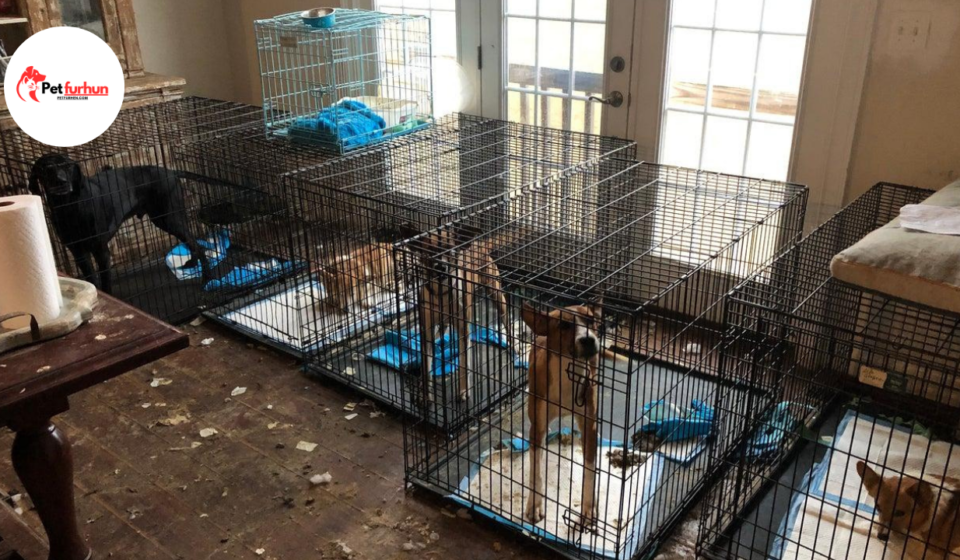
There is also environmental abuse, where animals are kept in overcrowded or unsafe conditions. This is often seen in illegal breeding operations or poorly managed shelters. In such cases, animals may not receive proper space, hygiene, or care, which affects both their physical health and behavior.
Why Animal Abuse Happens
Animal abuse does not come from a single cause. It is usually a combination of behavior, environment, and awareness. In some cases, people intentionally harm animals due to anger, control issues, or lack of empathy. These cases are often linked with broader patterns of violence in a person’s behavior.
In other situations, abuse happens because of neglect and ignorance. Some pet owners simply do not understand what proper care looks like. They may underestimate the cost, time, or responsibility involved in raising an animal. When this happens, animals suffer not because of hatred, but because of poor preparation.
Economic hardship can also play a role. When people struggle financially, they may not be able to afford veterinary care or proper food for animals. While this does not excuse neglect, it explains why some cases happen in real life. Education and support systems are often key in preventing these situations.
Effects of Animal Abuse on Animals
The impact of abuse on animals is both physical and emotional. Physically, animals may suffer injuries, malnutrition, infections, or long-term health problems. In severe cases, untreated conditions can become fatal. Even after rescue, recovery can take a long time depending on how severe the suffering was.
Emotionally, animals can experience fear, anxiety, and loss of trust in humans. Many abused animals become withdrawn or aggressive because they associate humans with harm. This emotional damage can be long-lasting and sometimes affects their ability to adapt to new homes or caregivers.
The suffering is not always visible at first glance, which is why many cases go unnoticed until they become serious. By the time intervention happens, the animal may already have endured months or even years of poor treatment.
Impact on Society and Communities
Animal abuse does not only affect animals; it also reflects broader issues within society. Studies and law enforcement reports in many regions have shown a connection between animal cruelty and other forms of violence. This does not mean every case is linked to criminal behavior, but it highlights that cruelty toward animals can be a warning sign in some situations.
Communities where animal abuse is ignored often face other challenges such as poor enforcement of laws and lack of public awareness. On the other hand, communities that actively report and address cruelty tend to build stronger systems of care and responsibility.
Animal welfare also influences how people perceive ethics and responsibility. Treating animals with care is often seen as part of a larger culture of respect and empathy.
How Animal Abuse Is Handled Legally
Most countries have laws that protect animals from cruelty, but the strength of these laws varies widely. In general, laws require owners to provide basic care and prohibit intentional harm. Some regions also regulate industries such as farming, entertainment, and research to ensure animals are not treated in extreme or harmful ways.
Enforcement is often handled by local authorities or animal welfare organizations. However, one of the biggest challenges is underreporting. Many cases are never reported, and even when they are, investigations can take time due to limited resources.
Animal protection groups play an important role in filling this gap. They rescue animals, support investigations, and raise awareness about responsible care. Without these organizations, many cases would go unnoticed.
How to Recognize Animal Abuse
Recognizing animal abuse is not always easy because signs can vary. Some animals show visible signs like injuries, extreme weight loss, or untreated wounds. Others may show behavioral changes such as fear, aggression, or withdrawal.
Environmental signs are also important. Poor living conditions, lack of food or water, and unsafe shelters can all indicate neglect. In many cases, animals are not directly visible, so attention to surroundings becomes important.
Veterinarians and animal welfare workers are often trained to identify these signs more accurately, but everyday people also play a key role in reporting suspicious situations.
What Can Be Done to Prevent It
Preventing animal abuse requires awareness, education, and responsibility. One of the most effective steps is teaching people about proper animal care before they adopt or buy pets. Many cases of neglect begin simply because owners were not prepared for the responsibility.
Stronger enforcement of animal protection laws also helps reduce cruelty. When people know there are real consequences, they are less likely to engage in harmful behavior. However, punishment alone is not enough.
Community awareness is equally important. When people are informed and willing to report abuse, animals have a better chance of being protected early. Veterinary access and affordable care also reduce neglect cases caused by financial pressure.
Conclusion
Animal abuse is a serious issue that affects animals physically, emotionally, and socially. It comes in many forms, from intentional violence to simple neglect, and it often reflects deeper problems such as lack of awareness or weak responsibility.
While laws and organizations exist to protect animals, real change depends on people recognizing the problem and taking action when needed. Every report, every intervention, and every informed decision contributes to reducing suffering.
A society that protects its animals is ultimately a society that values responsibility, empathy, and care in its strongest form.