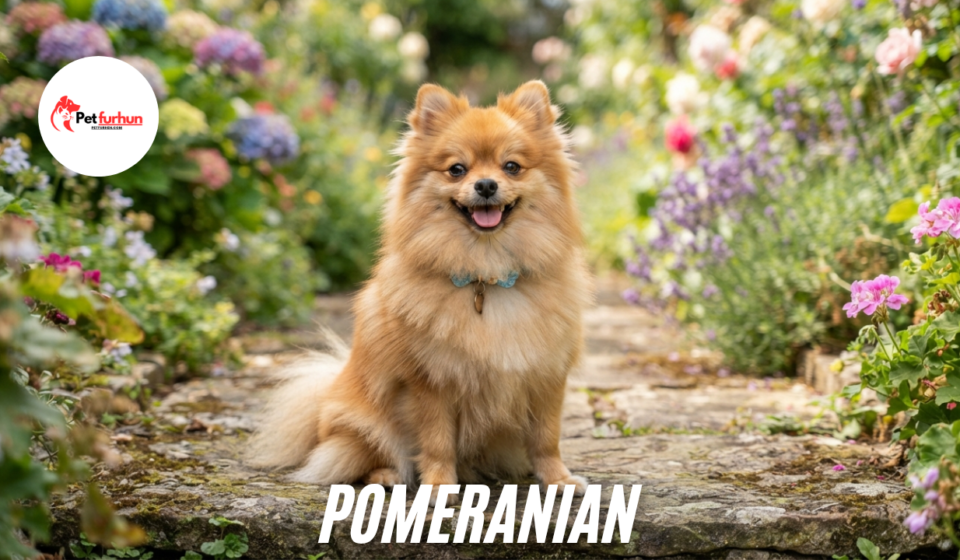

The Pomeranian is one of the most popular small dog breeds in the world, loved for its fluffy coat, charming appearance, and confident personality. Although this breed is tiny in size, it carries the bold attitude and energy often seen in much larger dogs. Pomeranians are known for being intelligent, affectionate, playful, and highly attached to their owners, making them a favorite choice for families, singles, and apartment residents.
Behind their cute appearance is a breed with a long history, unique characteristics, and specific care requirements. Before bringing a Pomeranian home, it is important to understand their temperament, grooming needs, exercise requirements, and common health concerns. A well-cared-for Pomeranian can become a loyal companion and a joyful part of the family for many years.
History and Origin of the Pomeranian
The Pomeranian comes from the Spitz family of dogs, a group known for thick coats, pointed ears, curled tails, and strong connections to colder climates. The breed received its name from the Pomerania region, an area that historically covered parts of modern-day Germany and Poland.
Early ancestors of the Pomeranian were much larger working dogs that were used for activities such as herding and pulling sleds. Over time, breeders focused on creating smaller versions with the same attractive Spitz features. This selective breeding eventually produced the tiny companion dog that people recognize today.
The breed became especially popular among European royalty during the 19th century. Queen Victoria of the United Kingdom played an important role in increasing the popularity of smaller Pomeranians after owning and breeding them. Her influence helped transform the breed into a fashionable companion dog admired around the world.
Pomeranian Appearance and Physical Features
The Pomeranian is a small dog with a distinctive and attractive appearance. Most adult Pomeranians are around 6 to 7 inches tall and usually weigh between 3 and 7 pounds. Despite their small body, they have a strong and balanced structure that gives them a confident appearance.
One of the most noticeable features of the breed is its thick double coat. The soft undercoat provides insulation, while the longer outer coat creates the fluffy appearance that makes Pomeranians instantly recognizable. Their face often has a fox-like expression, with bright eyes, small upright ears, and a heavily feathered tail carried over the back.
Pomeranians are available in many different colors, including orange, black, white, cream, blue, chocolate, and various mixed patterns. Their beautiful coat is one of their biggest attractions, but it also requires regular maintenance to stay healthy and clean.
Pomeranian Personality and Temperament
The Pomeranian temperament is often described as lively, confident, and affectionate. These small dogs usually form strong bonds with their owners and enjoy spending time with their families. They are naturally curious and like being involved in household activities.
Although they are small, Pomeranians often have a fearless personality. They may behave as if they are much larger dogs, which makes them excellent watchdogs. They are alert and may bark when they notice unfamiliar sounds, visitors, or changes in their environment.
Their intelligence makes them quick learners, but it can also make them slightly stubborn. Without proper training, a Pomeranian may develop unwanted habits such as excessive barking or demanding behavior. Early socialization and positive training help them become confident and well-behaved companions.
Grooming Needs of a Pomeranian
The beautiful fluffy coat of a Pomeranian requires regular grooming. Their double coat can easily become tangled or develop mats if it is not brushed consistently. Regular brushing helps remove loose hair, keeps the coat clean, and supports healthy skin.
Many owners choose professional grooming sessions to maintain the appearance of their Pomeranian. However, the coat should not be shaved extremely short because the natural double coat helps protect the dog from temperature changes.
Along with coat care, owners should pay attention to dental hygiene, nail trimming, and ear cleaning. Small breeds can be more likely to experience dental issues, so regular brushing and veterinary dental checks are important for long-term health.
Exercise and Training Requirements
Despite their small size, Pomeranians are active dogs that need daily movement and mental stimulation. Short walks, indoor play sessions, and simple training exercises can help keep them healthy and happy.
Because they are intelligent, Pomeranians often enjoy learning tricks and commands. Training sessions should be short, positive, and consistent. Reward-based methods work well because these dogs respond better to encouragement than harsh correction.
A common mistake is assuming that a small dog does not need training. Pomeranians benefit greatly from clear rules and routines. Proper training helps prevent behavioral problems and allows their friendly personality to shine.
Pomeranian Health and Lifespan
A healthy Pomeranian can live between 12 and 16 years, making it a long-term companion for dedicated owners. Like all dog breeds, Pomeranians can experience certain health concerns that require attention and regular veterinary care.
Some common problems associated with the breed include dental issues, kneecap problems, breathing difficulties, eye conditions, and certain heart-related concerns. Regular veterinary visits, balanced nutrition, healthy weight management, and responsible breeding choices can help reduce health risks.
Choosing a responsible breeder is important because appearance should never be prioritized over the health and well-being of the dog. A healthy Pomeranian should have good genetics, proper early care, and a stable temperament.
Are Pomeranians Good Family Pets?
Pomeranians can make excellent family pets when their needs are properly understood. Their small size makes them suitable for apartments and smaller homes, but they still require attention, playtime, and companionship.
They usually enjoy being close to their owners and may become unhappy if left alone for long periods. Families with children should teach gentle handling because Pomeranians have delicate bodies despite their confident attitude.
This breed is a good choice for people who want an affectionate and energetic companion. They are not ideal for someone looking for a completely independent pet that requires little interaction.
Common Misunderstandings About Pomeranians
Many people believe that small dogs are automatically easy to care for, but Pomeranians still require commitment. Their grooming, training, and social needs are just as important as those of larger breeds.
Another misunderstanding is that every Pomeranian is naturally calm and obedient. Their intelligence and confidence mean they need proper guidance from an early age. Without training, their strong personality can become difficult to manage.
Some sellers advertise extremely tiny “teacup” Pomeranians, but this term is not an official breed category. Extremely small breeding practices may create additional health concerns, so potential owners should focus on healthy and responsibly bred dogs.
Frequently Asked Questions
How big does a Pomeranian get?
A full-grown Pomeranian usually reaches around 6 to 7 inches in height and weighs approximately 3 to 7 pounds.
Are Pomeranians easy to train?
Pomeranians are intelligent and can learn quickly, but they may also be stubborn. Consistent positive training usually gives the best results.
Do Pomeranians shed a lot?
Yes, Pomeranians shed regularly because they have a thick double coat. Frequent brushing helps manage shedding and keeps their coat healthy.
Are Pomeranians good apartment dogs?
Yes, their small size makes them suitable for apartment living, but they still need exercise, attention, and mental stimulation.
How long do Pomeranians live?
With proper care, a Pomeranian can typically live around 12 to 16 years.
Conclusion
The Pomeranian is much more than a cute and fluffy companion. This small breed combines intelligence, confidence, affection, and energy in a package that fits many different lifestyles. Their history, unique appearance, and lively personality have helped them remain one of the most loved toy breeds worldwide.
However, owning a Pomeranian requires commitment. Regular grooming, proper training, quality nutrition, and routine veterinary care are essential for keeping them healthy and happy.
For the right owner, a Pomeranian can bring years of companionship, entertainment, and affection. Their small body may be impressive, but their personality is what truly makes this breed special.