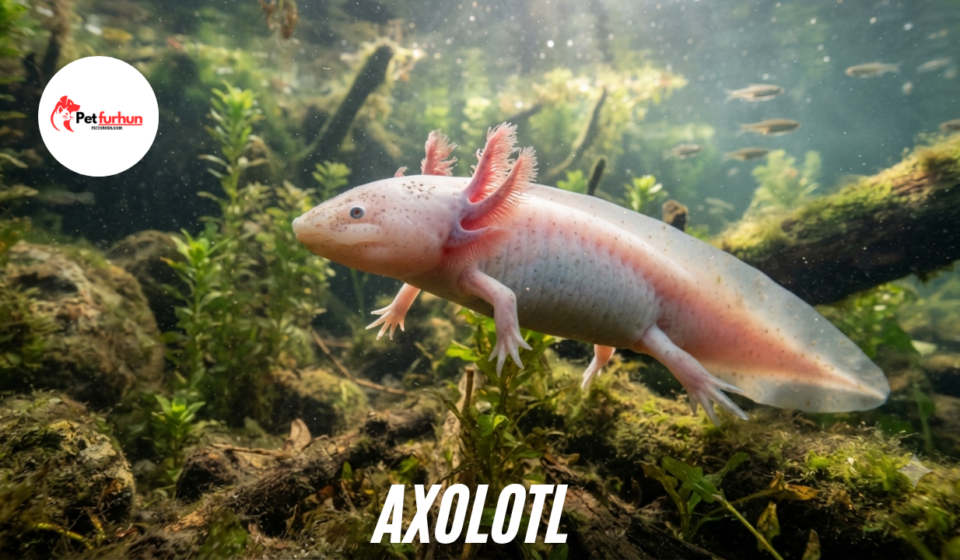

The axolotl is one of the most fascinating creatures in the animal world. Known for its unique appearance, permanent aquatic lifestyle, and incredible ability to regenerate lost body parts, this unusual salamander has captured the attention of scientists, pet owners, and nature lovers around the globe. Unlike most amphibians, the axolotl keeps its young-looking features throughout its entire life, making it a rare example of how evolution can create extraordinary adaptations.
Native to Mexico, the axolotl is more than just a popular aquarium animal. It has deep cultural roots and plays an important role in scientific research because of its remarkable healing abilities. From its unusual biology to its endangered status in the wild, the axolotl continues to inspire curiosity and research.
What Is an Axolotl?
The axolotl (Ambystoma mexicanum) is a type of salamander belonging to the mole salamander family. Although many people mistake it for a fish because it lives underwater and has external gills, the axolotl is actually an amphibian. It shares similarities with frogs, newts, and other salamanders.
The most recognizable feature of an axolotl is its soft, wide head with three pairs of feathery external gills on each side. These gills help the animal absorb oxygen from water. Axolotls also have small eyes, a long tail, and short legs that allow them to move slowly along the bottom of lakes and canals.
Unlike many animals that change significantly as they mature, axolotls maintain their juvenile appearance throughout adulthood. This unique characteristic is known as neoteny, which means they keep larval traits even after reaching reproductive maturity.
The Natural Habitat of Axolotls
Wild axolotls originally lived in the lake systems surrounding Mexico City, especially the ancient lakes of Xochimilco and Chalco. Today, their natural habitat has become much smaller because of urban development, pollution, and changes to the waterways.
Axolotls are freshwater animals that prefer cool, clean water with plenty of hiding places. In their natural environment, they live among aquatic plants, rocks, and underwater vegetation where they can hunt for food and avoid predators.
The wild population of axolotls has declined dramatically over time. Habitat destruction and invasive species have created major challenges for their survival. While captive axolotls are common around the world, protecting wild populations remains an important conservation goal.
Why Axolotls Are Famous for Regeneration
The most extraordinary ability of the axolotl is its power to regenerate damaged body parts. Unlike humans, who usually form scars after serious injuries, axolotls can rebuild certain tissues and structures with remarkable accuracy.
An axolotl can regrow lost limbs, parts of its tail, and even some damaged tissues in its nervous system. Scientists study this process to understand how cells communicate, repair damage, and rebuild complex structures.
However, regeneration does not happen instantly. The process requires time and involves several biological steps. Researchers are still studying how axolotls control regeneration and how their abilities might help improve future medical research.
Axolotl Colors and Physical Appearance
Wild axolotls usually have dark brown or black coloring with patterns that help them blend into their surroundings. However, captive breeding has created many different color variations that are popular among aquarium enthusiasts.
Some of the most well-known axolotl colors include leucistic axolotls, which have pale pink or white bodies with dark eyes, as well as albino, golden, and melanoid varieties. These different appearances have made axolotls especially popular among exotic pet owners.
Despite their unusual appearance, axolotls are simple-looking animals with a gentle nature. Their smiling facial expression and unique features have also made them a favorite subject in online communities and educational content.
What Do Axolotls Eat?
Axolotls are carnivorous animals that feed on small aquatic creatures. In the wild, their diet includes worms, insects, small fish, crustaceans, and other small organisms found in freshwater environments.
They are natural hunters that rely on movement to detect prey. When food comes close, an axolotl quickly opens its mouth and creates suction to pull the prey inside.
Pet axolotls usually eat specially prepared foods, earthworms, and other suitable protein sources. A balanced diet is important for maintaining their health, growth, and ability to recover from injuries.
Axolotls as Pets: Care and Requirements
Axolotls have become popular pets because they are fascinating to watch and have calm personalities. However, they require proper care and a suitable environment to stay healthy.
A healthy axolotl needs a spacious aquarium with clean, cool water and stable conditions. Water quality is extremely important because poor conditions can cause stress and illness. Owners also need to provide proper filtration, hiding spaces, and an appropriate diet.
Although axolotls are not highly active animals, they are interesting pets for people who enjoy observing unique aquatic creatures. Anyone considering owning one should understand their specific needs before bringing an axolotl home.
Why Axolotls Are Important to Science
The axolotl has become one of the most studied animals in biology because of its unusual abilities. Scientists research axolotls to learn more about regeneration, genetics, development, and tissue repair.
Their ability to rebuild body structures gives researchers valuable information about how living organisms heal. While axolotl research does not mean humans will soon regrow lost limbs, it may contribute to a better understanding of repair processes in the future.
The axolotl also demonstrates the importance of protecting biodiversity. Every species has unique traits that can help scientists understand life in new ways.
Why Are Axolotls Endangered?
Although axolotls are popular worldwide as pets and research animals, wild axolotls face serious threats. Their natural habitat has been reduced, and water pollution has affected the ecosystems where they live.
Introduced species, including certain fish that compete with axolotls for food or eat their young, have also contributed to population decline. Conservation programs are working to protect remaining wild populations and restore suitable habitats.
The survival of the axolotl depends on maintaining healthy freshwater environments and increasing awareness about this unique species.
Conclusion
The axolotl is a remarkable amphibian that combines unusual biology, scientific importance, and cultural history. Its ability to regenerate body parts and remain in its aquatic form throughout life makes it one of nature’s most interesting creatures.
While axolotls are admired around the world, their future in the wild depends on conservation efforts and habitat protection. Understanding these animals helps people appreciate the value of protecting rare species and the ecosystems they depend on.
Whether studied in laboratories or admired in aquariums, the axolotl remains a powerful example of the incredible diversity found in nature.
Frequently Asked Questions
Are axolotls rare?
Wild axolotls are considered rare because their natural habitat has declined significantly. Captive-bred axolotls, however, are much more common.
Can axolotls regrow lost body parts?
Yes, axolotls can regenerate limbs, tails, and certain damaged tissues. This ability is one of the main reasons scientists study them.
How long can an axolotl live?
With proper care, pet axolotls can often live for around 10 to 15 years, depending on their health and environment.
Are axolotls good pets?
Axolotls can be good pets for responsible owners who understand their water requirements, diet, and care needs.
Are axolotls fish?
No, axolotls are not fish. They are amphibians and are closely related to salamanders. They simply spend their entire lives in water.