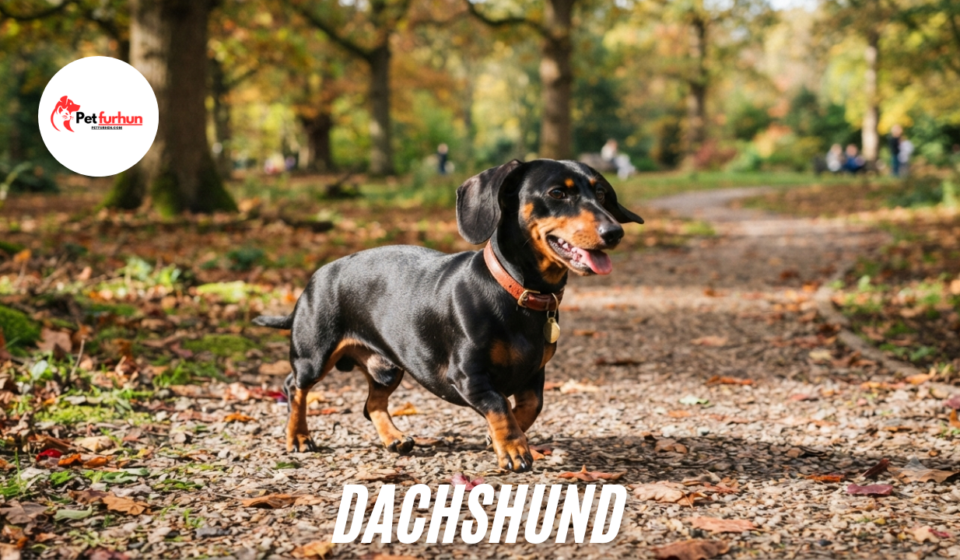

The Dachshund is one of the most recognizable dog breeds in the world, famous for its long body, short legs, and confident personality. Often called a “sausage dog” because of its unique shape, this small breed has a much deeper history than its adorable appearance suggests. Originally developed in Germany as a hunting dog, the Dachshund was bred to track and chase animals underground. Today, it is loved by families worldwide as a loyal, playful, and affectionate companion.
Many people search for information about Dachshunds because they want to understand whether this breed matches their lifestyle. Their small size makes them attractive for apartment living, but their strong personality means they need proper training, attention, and care. Learning about their history, behavior, health needs, and daily requirements helps future owners make better decisions.
What Is a Dachshund?
The Dachshund is a small hound breed that was originally created for hunting. The name comes from German words meaning “badger dog,” which describes its early purpose. Hunters developed this breed with a long body, short legs, and a powerful sense of smell so it could enter narrow underground tunnels and locate animals.
Although Dachshunds are now mainly family pets, they still maintain many characteristics from their hunting background. They are naturally curious, alert, energetic, and independent. Their confidence often makes them behave like much larger dogs despite their small size.
History and Origin of the Dachshund Breed
The history of the Dachshund goes back several hundred years in Germany. Breeders focused on creating a dog that could work efficiently in underground environments. Their short legs allowed them to move through tight spaces, while their strong bodies helped them dig and follow scents.
Over time, Dachshunds became popular beyond hunting circles. Their intelligence, loyalty, and charming appearance helped them gain recognition as companion dogs. Different sizes and coat types were developed, allowing the breed to adapt to different hunting purposes and family environments.
Today, the Dachshund is recognized by major kennel organizations around the world and remains one of the most popular small dog breeds.
Dachshund Appearance and Physical Features
The most noticeable feature of a Dachshund is its long body combined with short legs. This unusual structure gives the breed its famous appearance, but it was originally designed for practical reasons rather than looks.
Dachshunds have strong muscles, a deep chest, and a long nose that supports their excellent sense of smell. They come in different sizes, including standard and miniature varieties. Their weight and size can vary depending on genetics, health, and breeding.
The breed has three main coat types: smooth-haired, long-haired, and wire-haired. Smooth-haired Dachshunds have short coats that require minimal grooming, while long-haired and wire-haired varieties usually need more regular brushing to keep their coats healthy.
Dachshund Personality and Temperament
The Dachshund personality is one of the main reasons people love this breed. They are affectionate, loyal, and often form very strong bonds with their owners. Many Dachshunds enjoy spending time with their families and like being involved in daily activities.
However, Dachshunds are also known for their independent nature. Because they were bred as hunting dogs, they can sometimes be stubborn and determined. They may ignore commands if they are distracted by an interesting smell or activity.
Their alert personality also makes them excellent watchdogs. A Dachshund will often notice unfamiliar sounds and may bark to alert its owners. Proper training can help manage excessive barking while keeping their natural protective instincts.
Training a Dachshund Successfully
Training a Dachshund requires patience, consistency, and positive reinforcement. They are intelligent dogs, but their independent thinking can make training challenging at times. Harsh methods are usually not effective because Dachshunds respond better to encouragement and rewards.
Early socialization is important for this breed. Introducing a Dachshund puppy to different people, places, and situations helps develop confidence and reduces unwanted behaviors.
House training may require extra effort because some Dachshunds take longer to develop consistent habits. A regular routine, clear expectations, and positive feedback can make the process easier.
Dachshund Exercise and Daily Care Needs
Despite their small size, Dachshunds are active dogs that need regular exercise. Daily walks and play sessions help maintain their physical health and prevent boredom. They also enjoy activities that challenge their minds, such as scent games and puzzle toys.
However, owners should avoid activities that put excessive pressure on their backs. Due to their long body shape, Dachshunds can be more vulnerable to spinal problems. Preventing unnecessary jumping from high furniture and maintaining a healthy weight are important parts of their care.
A balanced diet and regular veterinary checkups also support a Dachshund’s overall health and wellbeing.
Common Dachshund Health Problems
The most well-known health concern in Dachshunds is back-related problems, especially issues connected with their long spine. Intervertebral disc disease is a condition that can affect some dogs of this breed and may cause pain or movement difficulties.
Weight management is especially important because extra weight places additional stress on their backs and joints. Owners should provide proper nutrition and avoid overfeeding.
Other possible health concerns include dental problems, joint issues, and age-related conditions. Regular veterinary care helps identify problems early and keeps Dachshunds healthier throughout their lives.
Is a Dachshund a Good Family Dog?
A Dachshund can be a wonderful family companion for the right owner. They are loving, entertaining, and adaptable dogs that can live comfortably in different environments, including apartments.
However, they are not always the easiest breed for inexperienced owners. Their strong personality means they need guidance, training, and consistent boundaries. Families with children should teach gentle handling because Dachshunds have sensitive backs and small bodies.
With proper care and attention, a Dachshund can become a loyal and joyful member of the family.
Dachshund Lifespan and Long-Term Care
The Dachshund is known for having a long lifespan compared with many other dog breeds. Many Dachshunds live well into their teenage years when they receive proper care, healthy nutrition, and regular medical attention.
Helping a Dachshund live a long and comfortable life requires focusing on prevention. Keeping them at a healthy weight, protecting their spine, providing exercise, and maintaining regular checkups can improve their quality of life.
Frequently Asked Questions
Are Dachshunds good pets for beginners?
Dachshunds can be good pets for beginners who are willing to invest time in training and care. Their affectionate nature makes them rewarding companions, but their stubborn personality requires patience.
Do Dachshunds bark a lot?
Many Dachshunds are naturally vocal because they were bred as hunting dogs. Training and socialization can help control unnecessary barking.
Are Dachshunds easy to train?
Dachshunds are intelligent but independent. They can learn well with consistent training, rewards, and positive methods.
Can Dachshunds live in apartments?
Yes, Dachshunds can adapt well to apartment living as long as they receive regular exercise and mental stimulation.
How long do Dachshunds usually live?
Many Dachshunds live around 12 to 16 years or longer with proper nutrition, exercise, and healthcare.
Conclusion
The Dachshund is much more than a small dog with a unique appearance. Its history as a brave hunting companion explains its confidence, intelligence, and independent personality.
For owners who understand their needs, Dachshunds can be affectionate, loyal, and entertaining companions. They require proper training, healthy habits, and careful attention to their back health, but the bond they create with their families makes the effort worthwhile.
A Dachshund is a breed full of character, and with responsible care, it can bring years of happiness and companionship to the right home.