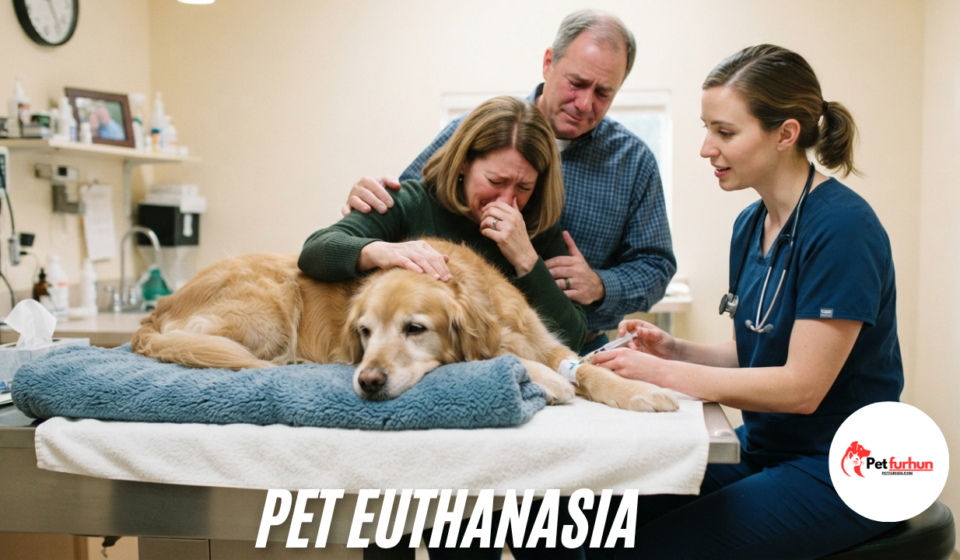

Choosing pet euthanasia is one of the most emotional decisions a pet owner may ever face. For many families, pets are not just animals; they are trusted companions who become part of everyday life. When a pet reaches a stage where illness, pain, or age-related problems affect their ability to enjoy life, owners often begin searching for answers about whether euthanasia is the kindest option.
The decision is rarely simple. Many people struggle with feelings of guilt, uncertainty, and sadness, wondering if they are making the right choice. Understanding what pet euthanasia means, how the process works, and what factors should be considered can help owners approach this difficult moment with compassion and clarity.
What Is Pet Euthanasia?
Pet euthanasia is a veterinary procedure used to provide a peaceful and humane end for an animal that is suffering or has a poor quality of life. The word euthanasia means “good death,” reflecting the purpose of the procedure: reducing pain and preventing unnecessary suffering.
Veterinarians usually discuss euthanasia when a pet has a serious medical condition, chronic pain, severe injury, or a decline in daily functioning that cannot be improved through treatment. The goal is not to end a pet’s life because of inconvenience but to protect the animal’s comfort and dignity when suffering becomes difficult to manage.
Many pet owners view euthanasia as a final act of love because it allows them to prevent their companion from experiencing prolonged discomfort.
Why Do Pet Owners Consider Euthanasia?
The main reason owners consider pet euthanasia is a decline in their pet’s quality of life. Animals can experience many of the same age-related challenges as humans, including mobility problems, organ failure, cancer, and chronic diseases.
A pet may no longer enjoy activities they once loved, such as walking, playing, eating normally, or interacting with family members. Some animals experience ongoing pain that medication cannot fully control, while others struggle with breathing difficulties or repeated health emergencies.
Every situation is different. A young pet with a severe injury may face different decisions than an older pet with multiple health problems. The most important factor is understanding whether the animal is still experiencing comfort and happiness.
Signs That It May Be Time to Consider Pet Euthanasia
Knowing when to say goodbye is one of the hardest parts of pet ownership. There is no single rule that determines the right time, but certain changes may indicate that a pet’s quality of life has declined.
Common signs include constant pain, difficulty standing or walking, loss of appetite, frequent sickness, lack of interest in family interaction, and changes in normal behavior. A pet that spends most of the day struggling instead of enjoying life may need a quality-of-life discussion with a veterinarian.
Many owners find it helpful to observe whether their pet is having more good days than difficult days. Keeping track of daily changes can make conversations with a veterinarian easier and help families make a thoughtful decision.
How Does the Pet Euthanasia Process Work?
The pet euthanasia process is designed to be calm, controlled, and as comfortable as possible for the animal. Before the procedure begins, a veterinarian usually explains each step and answers questions from the owner.
In many cases, the pet receives medication that helps them relax before the final injection. Once the euthanasia medication is administered, the animal peacefully loses consciousness and passes away without experiencing the fear or pain associated with natural decline.
Many veterinary clinics allow owners to stay with their pets during the procedure. Some people choose to hold their pet, speak to them, or simply remain nearby during their final moments. Others prefer to say goodbye before the procedure. Both choices are personal and understandable.
How Much Does Pet Euthanasia Cost?
The cost of pet euthanasia depends on several factors, including location, veterinary clinic fees, the size of the animal, and whether the procedure takes place at home or in a clinic.
Clinic-based euthanasia is usually less expensive than in-home services because mobile veterinarians provide additional convenience and travel. Aftercare options, such as cremation or memorial services, can also affect the total cost.
Because prices vary widely, pet owners should discuss costs with their veterinarian before the procedure. Knowing the available options can reduce stress during an already emotional time.
At-Home Pet Euthanasia vs Veterinary Clinic Euthanasia
Some families choose at-home pet euthanasia because it allows their pet to remain in a familiar and comfortable environment. This option can be especially helpful for animals that become anxious during travel or clinic visits.
Traditional veterinary clinic euthanasia is also a common choice because professional staff and medical equipment are immediately available. Many owners appreciate the support provided by veterinary teams during the process.
There is no universally better option. The right choice depends on the pet’s condition, the family’s preferences, and what will create the most peaceful experience.
Coping With the Loss of a Pet After Euthanasia
Grieving after pet euthanasia is a natural emotional response. Losing a pet can feel similar to losing a close family member because animals often become part of daily routines, memories, and emotional support systems.
Some owners experience sadness, guilt, or questions about whether they made the right decision. These feelings are common, especially after making a choice that involves ending a beloved companion’s life.
Creating a memorial, keeping photographs, writing memories, or talking with supportive friends and family members can help during the grieving process. Every person experiences pet loss differently, and there is no specific timeline for healing.
Making the Final Decision With Compassion
Deciding on pet euthanasia requires balancing medical advice, emotional connection, and the animal’s overall comfort. A veterinarian can provide guidance, but the final decision is often deeply personal for the owner.
The most important question is not simply how long a pet can live, but how comfortably they can live. Extending a pet’s life only makes sense when that life still includes meaningful comfort and happiness.
Saying goodbye is painful because the bond between humans and animals is powerful. However, providing a peaceful ending can be one of the most compassionate choices an owner makes for a suffering pet.
Frequently Asked Questions
Is pet euthanasia painful for animals?
Pet euthanasia is designed to be a peaceful and painless procedure. Veterinarians use medications that allow the animal to become unconscious before the final stage, helping prevent fear or distress.
How do I know if my pet is suffering?
Signs of suffering may include ongoing pain, reduced appetite, difficulty moving, breathing problems, and losing interest in normal activities. A veterinarian can help evaluate your pet’s quality of life.
Should I stay with my pet during euthanasia?
Many owners choose to stay because they want to provide comfort and say goodbye. Others decide they cannot be present. Both choices are personal and acceptable.
Can a veterinarian refuse to euthanize a healthy pet?
Veterinarians generally consider euthanasia when it is related to suffering, serious illness, or poor quality of life. Rules and professional responsibilities may vary depending on location.
What happens after pet euthanasia?
After euthanasia, owners can discuss options such as cremation, burial where permitted, or other memorial choices with their veterinarian.
Conclusion
Pet euthanasia is a difficult decision filled with emotion, but it can also represent kindness, responsibility, and love. When a pet’s suffering cannot be relieved, allowing them to pass peacefully may be the most caring choice available.
Every pet’s situation is different, and there is no perfect moment that applies to every family. The best decisions come from careful observation, honest conversations with veterinarians, and focusing on the comfort and dignity of the animal.
A pet’s final moments are only a small part of a much longer relationship built on companionship, care, and love. Choosing compassion during that final stage is a meaningful way to honor the life they shared with you.