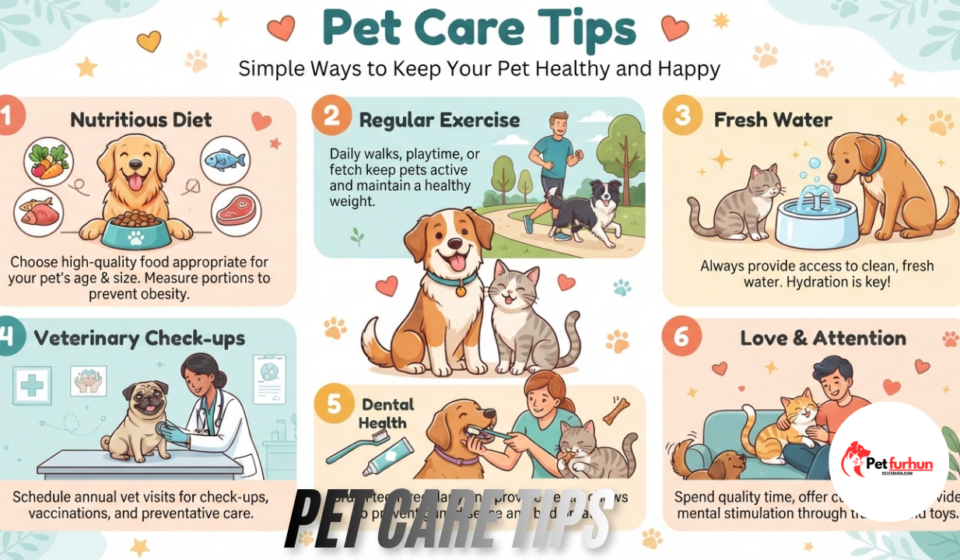

Pets are more than animals living in our homes; they become part of our daily lives and families. Taking good care of a pet requires understanding their needs, building healthy routines, and paying attention to small changes in their behavior. Whether you own a dog, cat, bird, or another companion animal, proper care helps them live a comfortable, active, and happy life.
Many pet owners look for pet care tips because they want to provide better food, maintain good health, prevent common problems, and create a safe environment. Good pet care is not only about meeting basic needs but also about building trust, providing attention, and supporting your pet’s physical and emotional well-being.
Understand Your Pet’s Basic Needs
Every pet has different needs depending on their age, breed, size, personality, and lifestyle. A young and energetic dog may require more exercise and training, while an older pet may need extra comfort and health monitoring. Understanding what makes your pet unique is the first step toward responsible care.
Spend time observing your pet’s normal habits. Notice their eating patterns, sleeping routine, energy levels, and behavior around people or other animals. When you understand what is normal for your pet, it becomes easier to recognize when something changes and may require attention.
Provide Healthy Food and Fresh Water Every Day
Nutrition is one of the most important parts of keeping your pet healthy. Pets need balanced meals that provide the right amount of nutrients, vitamins, and minerals according to their age and activity level. Feeding your pet too much or choosing unsuitable food can lead to weight problems and other health concerns.
A good feeding routine helps maintain your pet’s energy and overall health. Avoid giving pets too many treats or human foods, as some ingredients that are safe for people can be harmful to animals. If your pet has allergies, weight issues, or medical conditions, a veterinarian can help you choose a suitable diet.
Fresh water should always be available. Clean drinking water supports digestion, temperature control, and normal body functions, making it an essential part of daily pet care.
Schedule Regular Veterinary Checkups
Regular veterinary visits help protect your pet’s health before problems become serious. Many illnesses can be easier to manage when they are detected early. Routine checkups allow professionals to monitor your pet’s weight, dental health, vaccinations, and general condition.
Pet owners should not wait until an emergency happens before visiting a veterinarian. Preventive care, including vaccinations and parasite control, helps reduce health risks and keeps pets protected throughout their lives.
Pay attention to warning signs such as sudden changes in appetite, unusual tiredness, changes in bathroom habits, or unexpected weight changes. These signs do not always mean a serious problem, but they should not be ignored.
Give Your Pet Enough Exercise
Exercise is important for keeping pets physically healthy and mentally active. Regular movement helps maintain a healthy weight, improves muscle strength, and reduces boredom. Dogs often enjoy walks, outdoor activities, and play sessions, while cats benefit from toys, climbing areas, and interactive games.
The amount of exercise your pet needs depends on their breed, age, and health condition. Some pets require long periods of activity, while others may need gentle movement. Creating a routine that matches your pet’s abilities helps them stay comfortable and happy.
Exercise also strengthens the relationship between pets and owners. Spending active time together builds trust and provides valuable social interaction.
Focus on Grooming and Hygiene
Grooming is an important part of pet care because it supports cleanliness and comfort. Regular brushing helps remove loose hair, prevents tangles, and allows you to check for skin issues or unusual changes. Different pets require different grooming routines depending on their coat type and lifestyle.
Bathing, nail trimming, ear cleaning, and coat maintenance should be done according to your pet’s needs. Over-cleaning can sometimes cause irritation, so it is better to follow a routine that suits your animal.
Dental care is also often overlooked by pet owners. Regular dental attention helps maintain healthy teeth and gums and can prevent discomfort caused by dental problems.
Create a Safe Home Environment
A safe home is essential for your pet’s physical and emotional health. Keep harmful items such as chemicals, medications, and unsafe foods away from areas where your pet can reach them. Provide a comfortable sleeping space where your pet feels secure and relaxed.
Pets need consistency and a calm environment. A regular feeding schedule, positive training, and gentle interaction help reduce stress and create a stronger bond between you and your companion.
If you bring a new pet home, give them time to adjust. New surroundings can feel overwhelming, and patience helps them become comfortable in their new environment.
Pay Attention to Your Pet’s Behavior
Behavior can tell you a lot about your pet’s health and feelings. Changes such as hiding, aggression, excessive barking, reduced activity, or changes in eating habits may indicate stress, discomfort, or illness.
Understanding your pet’s communication helps you respond to their needs more effectively. Animals cannot explain when they feel uncomfortable, so owners need to recognize signs through observation.
Training also plays an important role in good pet care. Positive training methods help pets learn good habits while creating a relationship based on trust and respect.
Avoid Common Pet Care Mistakes
Many pet care problems happen because owners follow incorrect information or ignore small issues. Overfeeding, skipping veterinary visits, avoiding exercise, and neglecting grooming are some common mistakes that can affect a pet’s quality of life.
Another mistake is assuming that pets only need food and shelter. Animals also need attention, companionship, mental stimulation, and affection. Emotional care is just as important as physical care.
Responsible pet ownership means continuing to learn and adapting care as your pet grows older. Their needs may change over time, and adjusting your approach helps them remain healthy.
Conclusion
Taking care of a pet requires commitment, patience, and understanding. Simple daily habits such as providing proper nutrition, maintaining hygiene, scheduling health checks, and spending quality time together can make a major difference.
Every pet is different, so the best care approach comes from knowing your animal and responding to their individual needs. With attention and consistency, you can help your pet enjoy a healthier and happier life.
Good pet care is not about perfection. It is about making thoughtful choices every day that show your pet they are valued, safe, and loved.
Frequently Asked Questions
How can I keep my pet healthy?
Keeping your pet healthy requires balanced food, fresh water, regular exercise, grooming, preventive healthcare, and attention to changes in behavior. Consistent daily care creates the foundation for a healthy life.
How often should pets visit a veterinarian?
The frequency of veterinary visits depends on your pet’s age, health, and lifestyle. Regular checkups help identify possible problems early and keep vaccinations and preventive care up to date.
What are the most important daily pet care tasks?
Daily tasks include feeding your pet properly, providing fresh water, cleaning their living area, offering exercise, and spending time with them.
How do I know if my pet is sick?
Changes in appetite, energy, behavior, weight, or bathroom habits can be signs that something is wrong. If unusual changes continue, professional advice is recommended.
Do pets need mental stimulation?
Yes, pets need activities that challenge their minds and prevent boredom. Toys, training, playtime, and interaction help support their emotional health.