
The Miniature Dachshund is one of the most recognizable small dog breeds in the world, famous for its long body, short legs, confident attitude, and loving nature. Although this little dog looks like a perfect lap companion, it was originally bred as a hunting dog with strong instincts, courage, and determination. Today, Miniature Dachshunds are popular family pets because they combine a playful personality with strong loyalty toward their owners.
Many people search for information about Miniature Dachshunds before adopting one because they want to understand their size, behavior, grooming needs, training requirements, and possible health concerns. This breed can be an excellent companion, but owners need to know that their small appearance does not mean they require little care. A Miniature Dachshund has a big personality and needs proper attention, exercise, and training to stay happy and healthy.
What Is a Miniature Dachshund?
A Miniature Dachshund is a smaller version of the traditional Dachshund breed. The breed was originally developed in Germany hundreds of years ago to hunt badgers and other animals that lived in underground tunnels. Their long bodies and short legs allowed them to enter narrow spaces while their strong sense of smell helped them track prey.
Over time, smaller Dachshunds were developed for hunting smaller animals and later became popular companion dogs. Today, Miniature Dachshunds are mainly kept as family pets, but they still carry many traits from their hunting background, including curiosity, independence, and bravery.
The breed is available in different coat types, including smooth-haired, long-haired, and wire-haired varieties. Each type has its own appearance and grooming needs, but all Miniature Dachshunds share the same charming body structure and energetic personality.
Miniature Dachshund Appearance and Size
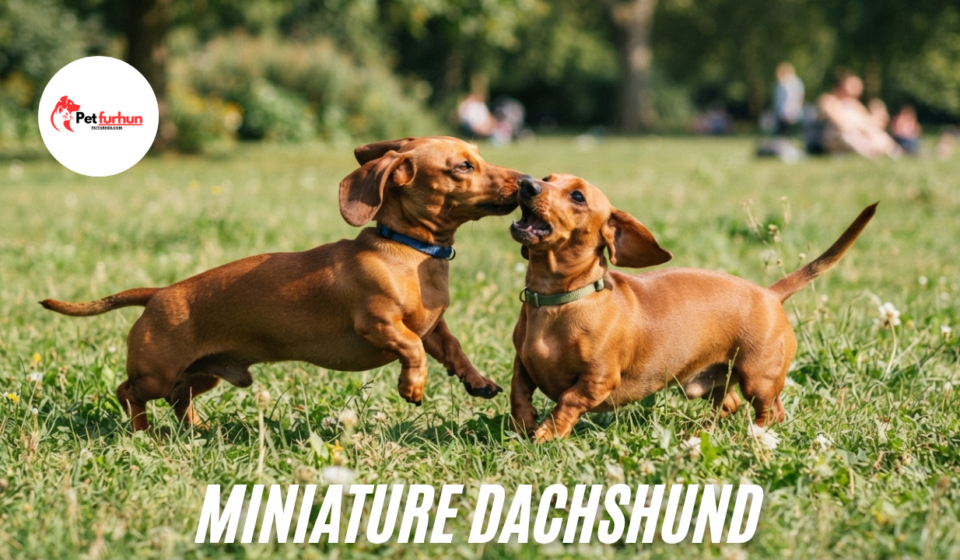
The Miniature Dachshund has a unique appearance that makes it easy to recognize. Its long back, short legs, deep chest, and small size create a body shape unlike most other dog breeds. Despite their small size, they often carry themselves with confidence and alertness.
A fully grown Miniature Dachshund usually weighs around 11 pounds or less. Their compact size makes them suitable for apartments and smaller homes, but they are not a breed that should be treated as inactive. These dogs enjoy exploring, playing, and spending time with their families.
Their coat colors can vary widely, including red, black and tan, chocolate, cream, dapple, and other patterns. The different coat styles give owners many choices when selecting a Miniature Dachshund, but every variety requires regular care to maintain good health and appearance.
Miniature Dachshund Personality and Temperament
The personality of a Miniature Dachshund is often described as confident, affectionate, intelligent, and independent. Many owners say these dogs have the attitude of a much larger breed because they are naturally fearless and curious.
Miniature Dachshunds usually create strong bonds with their owners and enjoy being part of family activities. They often follow their favorite people around the home and seek attention through playful behavior. Their affectionate nature makes them popular among individuals, couples, and families.
However, their independent personality can sometimes make them challenging to train. Because they were originally hunting dogs, they were bred to think and work on their own. This means they may not always respond immediately to commands, especially if they find something more interesting.
Training a Miniature Dachshund
Training a Miniature Dachshund requires patience, consistency, and positive methods. These dogs are intelligent and can learn quickly, but their stubborn side may appear during training sessions.
Early socialization is important because it helps them become comfortable around different people, environments, and other animals. Introducing puppies to new experiences in a positive way can help develop a confident and balanced adult dog.
House training may take more time compared with some other small breeds. A regular routine, encouragement, and supervision can make the process easier. Harsh training methods are usually not effective because Miniature Dachshunds respond better to rewards and positive interaction.
Exercise and Daily Care Requirements
Although Miniature Dachshunds are small dogs, they still need regular exercise. Daily walks, play sessions, and mental activities help keep them physically fit and prevent boredom.
Because of their long backs, owners should be careful with activities that place unnecessary pressure on their spine. Frequent jumping from furniture, excessive stair climbing, or rough play can increase the risk of back problems.
Maintaining a healthy weight is also very important for this breed. Extra weight can put additional stress on their back and joints. A balanced diet, regular activity, and proper portion control help support their overall health.
Grooming Needs of a Miniature Dachshund
The grooming requirements of a Miniature Dachshund depend on its coat type. Smooth-coated dogs usually need simple brushing to remove loose hair and keep their coat clean. Long-haired Dachshunds require more frequent brushing to prevent tangles and maintain their soft appearance.
Wire-haired Miniature Dachshunds may need additional grooming because of their thicker coat texture. Regular nail trimming, ear cleaning, and dental care should also be part of their routine.
Good grooming is not only about appearance. It also helps owners notice possible skin problems, infections, or other health concerns at an early stage.
Common Health Concerns in Miniature Dachshunds
Miniature Dachshunds are generally active and long-living dogs, but they can experience certain health issues. Their unique body shape makes them more vulnerable to back problems, especially conditions affecting the spine.
Intervertebral disc disease is one of the most recognized concerns among Dachshunds. Careful handling, healthy weight management, and avoiding unnecessary strain on their back can help reduce risks.
Other possible health concerns include dental problems, obesity, and age-related conditions. Regular veterinary visits and responsible care play an important role in helping a Miniature Dachshund live a healthy life.
Is a Miniature Dachshund the Right Dog for You?
A Miniature Dachshund can be a wonderful choice for someone looking for a loyal, playful, and affectionate companion. They are small enough for many living situations but still have the energy and personality of a working dog.
However, this breed requires an owner who understands their needs. They need training, attention, exercise, and careful handling because of their body structure. People who want a completely quiet and low-maintenance pet may find their strong personality challenging.
For the right owner, a Miniature Dachshund offers years of companionship, entertainment, and affection. Their unique appearance and unforgettable personality make them one of the most loved small dog breeds.
Frequently Asked Questions
How big does a Miniature Dachshund become?
A Miniature Dachshund usually weighs around 11 pounds or less when fully grown. Their small size makes them suitable for many homes, including apartments.
Are Miniature Dachshunds good family dogs?
Yes, Miniature Dachshunds can be great family dogs when properly trained and socialized. They are affectionate and enjoy spending time with their owners.
Do Miniature Dachshunds bark a lot?
Many Miniature Dachshunds are naturally vocal because of their alert and protective instincts. Training can help control excessive barking.
Are Miniature Dachshunds easy to train?
They are intelligent dogs but can be stubborn. Consistent training and positive reinforcement usually produce the best results.
How long does a Miniature Dachshund live?
With proper care, Miniature Dachshunds can often live between 12 and 16 years. A healthy lifestyle and regular veterinary care can support a longer life.
Conclusion
The Miniature Dachshund is a small dog with a huge personality. Its history as a hunting breed explains its confidence, intelligence, and independent nature. While their unique body shape requires special care, their loyalty and affection make them rewarding companions.
Anyone considering a Miniature Dachshund should understand that this breed needs more than just love. Proper training, exercise, nutrition, and health care are essential for helping them enjoy a happy life.
For owners who appreciate a smart, playful, and devoted dog, the Miniature Dachshund can become a loving member of the family for many years.