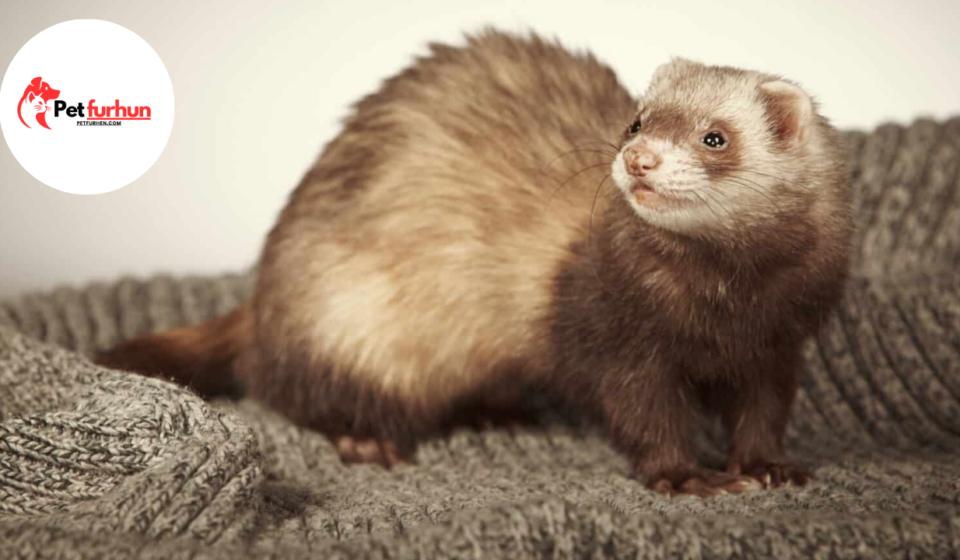

Ferrets are small, energetic, and highly curious animals that have become popular pets in many households. Known for their long, slender bodies and playful personalities, ferrets offer a unique blend of companionship and entertainment for pet lovers. Their intelligence and adventurous nature make them fascinating to watch, but caring for them requires knowledge and commitment.
People often wonder if ferrets are suitable as pets, how to feed them properly, and what kind of environment they need to thrive. Understanding these aspects is essential for anyone considering adding a ferret to their home.
What Is a Ferret?
A ferret is a domesticated animal that belongs to the weasel family. They have long, flexible bodies, short legs, and sharp features that allow them to explore tight spaces. Adult ferrets typically weigh between one and four pounds, with males usually larger than females. Their coats come in various colors, including sable, albino, cream, and white, giving each ferret a distinct appearance. Ferrets have been domesticated for centuries and were originally used for hunting rodents and small game.
Ferret Behavior and Personality
Ferrets are known for their playful and inquisitive behavior. They are naturally curious, often exploring every corner of their environment and investigating new objects. Ferrets have bursts of energy and love to run, climb, and play with toys. One common behavior is the “ferret dance,” a lively series of jumps and twists that signals excitement and happiness. Despite their playful nature, ferrets also spend a significant amount of time sleeping, typically 14 to 18 hours a day.
These pets are social animals that enjoy interaction, both with other ferrets and with their owners. Proper socialization and gentle handling are essential to ensure they are friendly and confident.
Are Ferrets Good Pets?
Ferrets can make excellent pets for the right household. They are affectionate, intelligent, and entertaining, often forming strong bonds with their owners. However, they require attention, supervision, and a safe environment. Ferrets are not low-maintenance animals, as they need daily interaction, mental stimulation, and proper care. Their curiosity can lead them into mischief, so homes must be ferret-proofed to prevent accidents or damage.
What Do Ferrets Eat?
Ferrets are obligate carnivores, which means they require a diet based entirely on animal protein. High-quality commercial ferret food is the easiest way to meet their nutritional needs. Diets should be rich in protein and fat while low in carbohydrates. Treats can be given occasionally, but they should primarily be meat-based rather than sugary or processed foods. Fresh water should always be available, as ferrets are prone to dehydration if water is limited.
Housing and Care
Ferrets need a comfortable and secure environment to thrive. Multi-level cages with sleeping areas, litter boxes, and toys provide a safe home when they cannot roam freely. Supervised playtime outside the cage is important for exercise and mental stimulation. Ferrets enjoy tunnels, hammocks, and hiding spaces, which satisfy their natural instincts to explore and burrow. Temperature control is crucial because ferrets are sensitive to extreme heat, and their living space should remain cool and well-ventilated.
Ferret Lifespan
The lifespan of a domestic ferret typically ranges from five to ten years. With proper care, nutrition, and regular veterinary attention, some ferrets can live longer. Understanding their lifespan is important for potential owners, as it represents a long-term commitment. Regular check-ups and preventive care help ensure a healthy and active life.
Common Health Concerns
Ferrets can experience certain health issues, and awareness of these conditions helps owners provide better care. Common concerns include adrenal gland problems, dental issues, and digestive disorders. Regular veterinary check-ups are essential to detect problems early. Maintaining a proper diet and providing a clean living environment also play a critical role in preventing illness.
Do Ferrets Smell?
Ferrets naturally produce a musky odor due to their skin oils. While some people find this smell strong, proper care can reduce it significantly. Regular cleaning of cages, bedding, and litter boxes, along with a healthy diet, helps keep ferrets smelling fresh. Over-bathing is not recommended, as it can increase their natural oils and make the odor worse.
Ferret Breeds and Colors
Domestic ferrets come in a variety of breeds and color patterns. Popular variations include albino ferrets, white ferrets, and sable ferrets. Each color type has slight differences in appearance but does not significantly affect behavior. Knowing the characteristics of different ferret types can help owners choose a pet that fits their preferences and lifestyle.
Black-Footed Ferret: A Wild Relative
The black-footed ferret is a close relative of the domestic ferret but is a wild species native to North America. It is an endangered species that depends on prairie dogs for food and shelter. Unlike domestic ferrets, black-footed ferrets cannot live as pets and are part of conservation programs aiming to restore their populations in the wild. Awareness of this species highlights the importance of responsible pet ownership and wildlife protection.
Legal Considerations
Ownership laws for ferrets vary by location. In some areas, permits are required, while other regions may prohibit ferret ownership altogether. Potential owners should check local regulations before acquiring a ferret to ensure they comply with legal requirements. These rules often cover licensing, vaccinations, and housing standards.
Common Misconceptions
Several misconceptions surround ferrets. They are often mistakenly thought to be rodents, but they belong to the weasel family. Another myth is that ferrets are naturally aggressive. In reality, ferrets are generally friendly and social when properly handled and trained. Understanding their true behavior helps new owners prepare for responsible care.
Frequently Asked Questions
Are ferrets good pets for families?
Ferrets can be suitable for families, especially those willing to supervise their play and provide mental stimulation. They bond well with humans and enjoy interactive environments.
How much does a ferret cost?
Ferret prices vary depending on location, breeder, and age. Costs also include food, toys, veterinary care, and housing.
Can ferrets live alone?
A single ferret can live happily with enough attention, but keeping a pair is often recommended because they are social creatures.
Do ferrets bite?
Ferrets may nip during play, especially as kits. Gentle handling and proper training reduce biting significantly.
What is the difference between ferrets and weasels?
Ferrets are domesticated members of the weasel family. They share ancestry with weasels but have adapted to life as pets.
Do ferrets require a lot of space?
While ferrets are small, they need room to explore and exercise safely. Multi-level cages and supervised free-roaming time provide adequate space.
Conclusion
Ferrets are lively, intelligent, and playful pets that can bring joy to experienced and committed owners. They require proper housing, a carnivorous diet, daily interaction, and attention to health. Understanding their behavior and needs ensures that they thrive in a domestic setting.
With their unique personalities and energetic nature, ferrets are rewarding companions for those willing to meet the responsibilities of ownership. Learning about their diet, housing, and health considerations prepares owners to provide a safe and enriching environment. For anyone ready to embrace a playful and curious companion, ferrets offer years of engaging and entertaining company.