
Working with dogs is one of those career paths that sounds simple from the outside but quickly turns into something much more structured and skill-based once you look closer. People search for “dog jobs” because they want practical ways to earn income while staying close to animals they genuinely enjoy being around. But the reality is that this field is not one job—it is a wide group of careers with very different responsibilities, training levels, and expectations.
Some roles focus on care and companionship. Others are tied to law enforcement, medical support, or specialized training. Understanding the differences helps you choose a path that actually fits your skills and long-term goals instead of just the idea of working with dogs.
What “Dog Jobs” Really Means in Practice
Dog-related careers cover everything from entry-level pet care to highly skilled professional work. At the most basic level, these jobs include walking dogs, feeding them, grooming them, and looking after them in kennels or daycare centers. These roles are usually hands-on and require patience, consistency, and a strong sense of responsibility.
On the more advanced end, dog jobs can involve training service animals, working with police K9 units, or supporting veterinary teams in medical settings. These positions require formal education or years of experience because they involve safety, health, or public service responsibilities. The gap between entry-level and professional roles is large, but both sit under the same umbrella of animal-focused work.
Police and Security Dog Handlers
One of the most recognized dog careers is K9 handling in police or security work. These handlers work with specially trained dogs that assist in detecting drugs, explosives, or missing persons. In some cases, they also support crowd control and suspect tracking during operations.
This job is not open to beginners. Most handlers are already trained law enforcement officers or security professionals before they are assigned a dog. The training process is ongoing, and both the handler and dog must maintain strict performance standards. The relationship between them is highly disciplined because real-world situations require instant and reliable responses.
In many regions, K9 units are considered essential for public safety operations, especially in airports, borders, and large public events where detection work is critical.
Service Dog Training and Assistance Work
Service dog trainers work in a completely different environment compared to law enforcement roles. Their focus is on helping dogs support people living with disabilities such as mobility challenges, epilepsy, or PTSD. These dogs are trained to perform specific tasks that improve independence and safety in daily life.
Training a service dog takes time, structure, and a deep understanding of behavior. Dogs must remain calm in public spaces, ignore distractions, and respond only to their handler’s needs. Because of this, trainers often work through structured organizations where training programs are carefully designed and monitored.
This is one of the most detail-oriented dog careers because even small mistakes in training can affect a person’s quality of life.
Veterinary Careers and Medical Support Roles
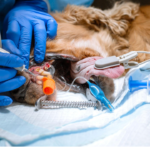
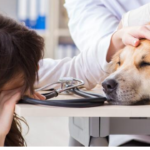
Veterinary-related dog jobs focus on health and medical care. Veterinarians diagnose illnesses, perform surgery, and manage treatment plans for animals. Veterinary technicians and assistants support this work by handling procedures, preparing equipment, and monitoring animals during treatment.
These roles require formal education and licensing, especially for veterinarians. The workload is often fast-paced, with cases ranging from routine check-ups to emergency care. Unlike some other dog careers, this field combines animal care with medical science, which makes it both demanding and highly structured.
Working in veterinary settings also means dealing with emotional situations, especially when animals are injured or seriously ill. This aspect of the job is often underestimated but is part of the daily reality in clinics and hospitals.
Dog Trainers and Behavior Specialists
Dog trainers focus on teaching obedience, correcting behavior issues, and helping owners build better communication with their pets. This can include basic commands like sit and stay, but also more complex issues such as aggression, anxiety, or fear-based behavior.
Behavior specialists go further by analyzing why a dog is reacting in a certain way and creating structured plans to change that behavior over time. This work often takes place in homes, training centers, or outdoor environments depending on the situation.
Unlike veterinary careers, formal education is not always required, but experience and credibility matter a lot. Many trainers build their reputation through consistent results and client trust rather than academic qualifications.
Animal Shelter and Rescue Work
Animal shelters play a major role in dog welfare. Workers in this field care for abandoned, stray, or surrendered dogs and prepare them for adoption. Daily tasks often include feeding, cleaning, basic health checks, and socializing dogs to improve their chances of finding homes.
This work can be emotionally challenging because shelters often deal with high intake numbers and limited resources. However, it is also one of the most direct ways to make a difference in animal lives.
Rescue organizations sometimes focus on specific cases such as abused animals or disaster rescues, which adds another layer of responsibility and urgency to the work.
Grooming, Kennels, and Dog Daycare Work
Not all dog jobs involve training or medical care. Many people start their careers in grooming salons, kennels, or daycare centers. Groomers handle bathing, trimming, and overall hygiene care for dogs, while kennel and daycare staff supervise groups of dogs throughout the day.
These environments require strong awareness of animal behavior because dogs interact closely with each other. Staff must manage playtime, prevent conflicts, and ensure safety at all times.
While these jobs are often considered entry-level, they are important for building foundational experience in animal care. Many professionals in advanced dog careers start from these roles.
Dog Walking and Pet Sitting Services
Dog walking and pet sitting are among the most flexible ways to earn money in this field. Dog walkers handle daily exercise routines, while pet sitters care for dogs in their homes when owners are away.
These jobs depend heavily on trust. Owners are not just hiring someone to walk a dog—they are allowing access to their home and responsibility for their pet’s safety. Because of that, reliability and consistency matter more than formal qualifications.
Over time, many people turn this type of work into a small business by building regular clients and offering additional services like feeding, grooming support, or extended care.
Search and Rescue Dog Teams
Search and rescue teams use trained dogs to locate missing people in forests, disaster zones, or urban areas. These dogs are trained to detect human scent over large distances and challenging terrain.
Handlers in this field often work with emergency response organizations or volunteer groups. Training is continuous and physically demanding, as both the dog and handler must stay prepared for unpredictable situations.
This is one of the most specialized dog careers, where teamwork and precision can directly impact survival outcomes.
Conclusion
Dog jobs cover a wide range of careers, from simple daily care roles to highly specialized professional work in law enforcement, medicine, and emergency response. Each path requires different skills, but they all share one core element: responsibility for animal welfare and behavior.
The field is not limited to people with formal degrees, nor is it only casual work. It sits in between, offering entry points for beginners and advanced paths for professionals who want long-term careers.
Choosing the right direction depends on how deeply you want to work with dogs and how much training you are willing to invest over time.
Frequently Asked Questions
What are the easiest dog jobs to start with?
Dog walking, pet sitting, and kennel work are usually the easiest entry points because they require limited formal training and focus on hands-on experience.
Do dog jobs pay well?
Pay depends on the role. Entry-level jobs often pay modestly, while veterinary careers, K9 handling, and specialized training roles can offer higher salaries.
Can I work with dogs without qualifications?
Yes, many basic roles like grooming assistance, daycare work, and walking services do not require formal qualifications, but experience helps build trust and better opportunities.
What is the most respected dog career?
Veterinary medicine and police K9 handling are generally considered the most structured and respected due to their responsibility and training requirements.
Is dog training a full-time career?
Yes, many dog trainers work full-time, especially those who build a client base or work with training organizations.
How do I start a career with dogs?
Most people start by gaining hands-on experience through shelters, grooming centers, or walking services before moving into more specialized roles.