
Dog Ear Infection: A Common Health Problem Every Owner Should Know
A dog ear infection is one of the most common health issues seen in dogs. It can affect puppies, adult dogs, and senior dogs. While some ear infections may start as a small irritation, they can become serious if they are not treated quickly.
Dogs use their ears every day to understand the world around them. Healthy ears help them hear sounds, stay balanced, and communicate with their owners. When an infection develops, it can cause discomfort, pain, and even hearing problems.
Many dog owners do not notice the early signs of an ear infection. Because of this, the infection often becomes worse before treatment begins. Learning about the causes, symptoms, treatment options, and prevention methods can help keep your dog healthy and comfortable.
What Is a Dog Ear Infection?
A dog ear infection happens when bacteria, yeast, or other harmful organisms grow inside the ear canal. The infection causes inflammation, swelling, redness, and discomfort.
A dog’s ear canal is much deeper than a human ear canal. This shape makes it easier for moisture, dirt, and debris to become trapped inside. When this happens, it creates the perfect environment for bacteria and yeast to grow.
There are different levels of ear infections in dogs. Some affect only the outer ear, while others can spread deeper into the middle and inner ear. The deeper the infection spreads, the more difficult it becomes to treat.
When left untreated, a severe infection may damage the ear canal and lead to long-term hearing problems.
What Causes Dog Ear Infections?
Many different factors can lead to a dog ear infection. In some cases, several causes work together.
One of the most common causes is excess moisture inside the ear. Dogs that swim often or get frequent baths may develop infections because water remains trapped inside the ear canal.
Another major cause is allergies. Dogs with food allergies or environmental allergies often experience repeated ear infections. The allergies create inflammation inside the ears, making infections more likely.
Yeast overgrowth is another common problem. Small amounts of yeast normally live inside a dog’s ears. However, when conditions become warm and moist, yeast can multiply quickly and cause infection.
Bacterial infections are also very common. Bacteria can enter the ear through scratches, irritation, or trapped debris.
Some dogs develop infections because of ear mites. These tiny parasites live inside the ear and cause severe itching and inflammation.
Foreign objects such as grass seeds, dirt, or plant material can also trigger infections. These objects irritate the ear canal and create an environment where bacteria can grow.
Certain breeds are more likely to develop ear infections because of their ear shape. Dogs with long floppy ears often have less airflow inside their ears. This allows moisture to build up and increases infection risk.
Dog Breeds More Prone to Ear Infections
Some breeds experience ear infections more often than others.
Cocker Spaniels are well known for having recurring ear problems. Their long ears can trap moisture and reduce airflow.
Basset Hounds also have large floppy ears that create a warm environment for bacteria and yeast.
Labrador Retrievers and Golden Retrievers often develop infections because they enjoy swimming and water activities.
Poodles may experience ear infections due to excess hair growth inside their ear canals.
Shih Tzus, Bulldogs, and Springer Spaniels are also commonly affected by chronic ear issues.
Even though these breeds face higher risks, any dog can develop an ear infection.
Signs and Symptoms of a Dog Ear Infection
Recognizing symptoms early can help prevent serious complications.
One of the first signs is frequent scratching around the ears. Dogs may use their paws repeatedly because the infection causes irritation and itching.
Another common symptom is constant head shaking. Dogs often shake their heads in an attempt to relieve discomfort.
A strong and unpleasant odor coming from the ear is another warning sign. Healthy ears should not produce a foul smell.
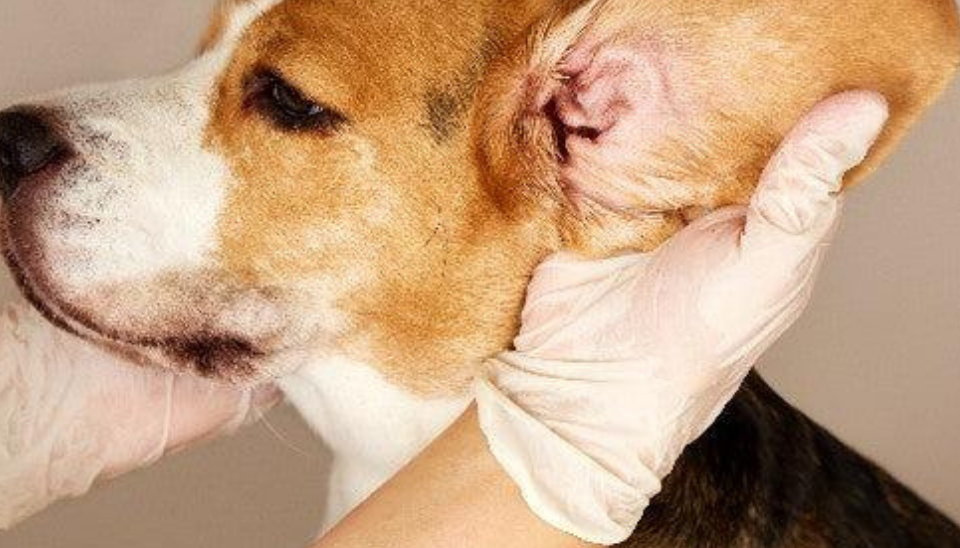
You may notice redness and swelling inside the ear canal. The ear may appear inflamed or irritated.
Many infected dogs develop ear discharge. The discharge may be yellow, brown, black, or thick in appearance.
Some dogs become sensitive when their ears are touched. They may pull away, cry, or show signs of pain.
In more serious cases, dogs may develop balance problems. They might walk unevenly or tilt their heads to one side.
Changes in behavior can also occur. Dogs experiencing ear pain may become irritable, withdrawn, or less interested in play.
How Veterinarians Diagnose Ear Infections
Proper diagnosis is important because different infections require different treatments.
A veterinarian usually begins with a physical examination. They carefully inspect the outer ear and look for redness, swelling, discharge, and signs of pain.
A special instrument called an otoscope allows the veterinarian to see deeper inside the ear canal.
The veterinarian may collect a sample from the ear and examine it under a microscope. This helps identify whether the infection is caused by yeast, bacteria, mites, or a combination of problems.
In severe or recurring cases, additional testing may be needed. A laboratory culture can identify the exact bacteria causing the infection and determine which medications will work best.
Accurate diagnosis helps ensure the dog receives the most effective treatment.
Treatment Options for Dog Ear Infections
Treatment depends on the cause and severity of the infection.
The first step often involves cleaning the ear. Removing debris and discharge helps medications reach the infected area more effectively.
For bacterial infections, veterinarians commonly prescribe antibiotic ear drops. These medications target harmful bacteria and reduce inflammation.
If yeast is responsible, antifungal medications are used to eliminate the overgrowth.
Many ear medications also contain anti-inflammatory ingredients. These ingredients help reduce swelling, redness, and discomfort.
Severe infections may require oral medications. Dogs with deep infections sometimes need antibiotics or antifungal drugs taken by mouth.
Dogs with allergy-related ear infections may need long-term allergy management to prevent future problems.
It is important to complete the entire treatment plan. Stopping medication too early may allow the infection to return.
Can Dog Ear Infections Heal on Their Own?
Many owners hope that mild ear infections will disappear without treatment. Unfortunately, this is rarely the case.
Most ear infections continue to worsen over time. The infection can spread deeper into the ear canal and become more difficult to treat.
Even if symptoms appear to improve temporarily, the underlying infection often remains active.
Without treatment, chronic infections may cause permanent damage to the ear canal. Some dogs can even experience partial hearing loss.
For this reason, veterinary care should always be considered when signs of infection appear.
Home Care for Dogs With Ear Infections
Home care plays an important role during recovery.
Owners should follow all medication instructions carefully. Missing doses can delay healing and increase the chance of recurrence.
The ears should be cleaned only with products recommended by a veterinarian. Human products may irritate the ear and make the condition worse.
Dogs recovering from infections should avoid swimming until the veterinarian confirms that healing is complete.
Regular monitoring is also important. If symptoms worsen or fail to improve, follow-up veterinary care may be necessary.
Keeping the ears clean and dry can support recovery and reduce discomfort.
The Connection Between Allergies and Ear Infections
Many chronic ear infections are linked to allergies.
Food allergies can trigger inflammation inside the ears. Common food triggers include chicken, beef, dairy products, and certain grains.
Environmental allergies can also contribute to ear problems. Pollen, dust mites, mold, and grass are common triggers.
When allergies cause inflammation, the ear’s natural defenses become weaker. This creates conditions where bacteria and yeast can multiply more easily.
Dogs with recurring infections often benefit from allergy testing and long-term allergy management.
Treating the allergy often reduces the number of future ear infections.
How to Prevent Dog Ear Infections
Prevention is often easier and less expensive than treatment.
Regular ear inspections help owners identify problems before they become serious.
Dogs that swim frequently should have their ears dried carefully after water activities. Reducing moisture can lower infection risk.
Routine ear cleaning can also help. However, cleaning should not be excessive because overcleaning may irritate the ear canal.
Dogs with allergies should receive proper management. Controlling allergies often prevents recurring infections.
Regular veterinary checkups can identify early warning signs before symptoms become severe.
A healthy diet, proper grooming, and routine ear care all contribute to better ear health.
Complications of Untreated Ear Infections
Ignoring an ear infection can lead to serious consequences.
Chronic infections may cause permanent thickening of the ear canal. This narrowing makes future infections more likely.
Some dogs develop hearing loss when infections damage important ear structures.
Infections that spread into the inner ear can affect balance and coordination.
Long-term pain and discomfort may reduce a dog’s quality of life.
In severe cases, surgery may become necessary to remove damaged tissue and restore comfort.
Prompt treatment greatly reduces these risks.
When Should You See a Veterinarian?
Any dog showing signs of an ear infection should be evaluated by a veterinarian.
Persistent scratching, head shaking, bad odor, discharge, redness, swelling, or signs of pain all require attention.
Dogs that experience repeated infections should receive a thorough examination to identify underlying causes such as allergies or hormonal conditions.
Early treatment is the best way to prevent complications and help your dog recover quickly.
Conclusion
A dog ear infection is a common but potentially serious condition that should never be ignored. Whether the infection is caused by bacteria, yeast, allergies, moisture buildup, or ear mites, early recognition and treatment are essential.
Watching for symptoms such as head shaking, ear scratching, redness, swelling, ear discharge, and bad odor can help owners identify problems before they become severe. Proper veterinary care, consistent treatment, and preventive ear care can keep infections under control and improve a dog’s overall health.
By understanding the causes, symptoms, treatment options, and prevention methods, dog owners can protect their pets from unnecessary pain and ensure healthier ears for years to come.