
The Chow Chow dog is one of the oldest and most distinctive dog breeds in the world. Famous for its fluffy coat, lion-like appearance, and unique blue-black tongue, this breed has captured the attention of dog lovers for generations. While many people search for a Chow Chow puppy because of its beautiful appearance, this breed also has a strong personality that requires patience, understanding, and proper care.
Known for being loyal, independent, and naturally protective, the Chow Chow is not a typical playful dog that constantly seeks attention. It often forms a deep bond with its family but can be reserved around strangers. Understanding the breed’s history, temperament, grooming needs, diet, and price can help future owners decide if a Chow Chow is the right companion for their lifestyle.
History and Origin of the Chow Chow Dog
The Chow Chow dog has a long history connected with ancient China, where it was valued as a working and companion breed. These dogs were used for hunting, guarding homes, pulling carts, and protecting property. Their strong body, thick coat, and independent nature helped them adapt to different environments.
Over time, Chow Chows became associated with Chinese royalty and wealthy families because of their impressive appearance and loyal nature. Unlike many modern breeds created for one specific purpose, the Chow Chow was developed as a versatile dog that could perform different tasks while also serving as a trusted companion.
Today, the breed is loved around the world for its unusual appearance and calm personality. However, its ancient working background is still visible in its confident attitude and independent behavior.
Physical Characteristics of Chow Chow Dogs
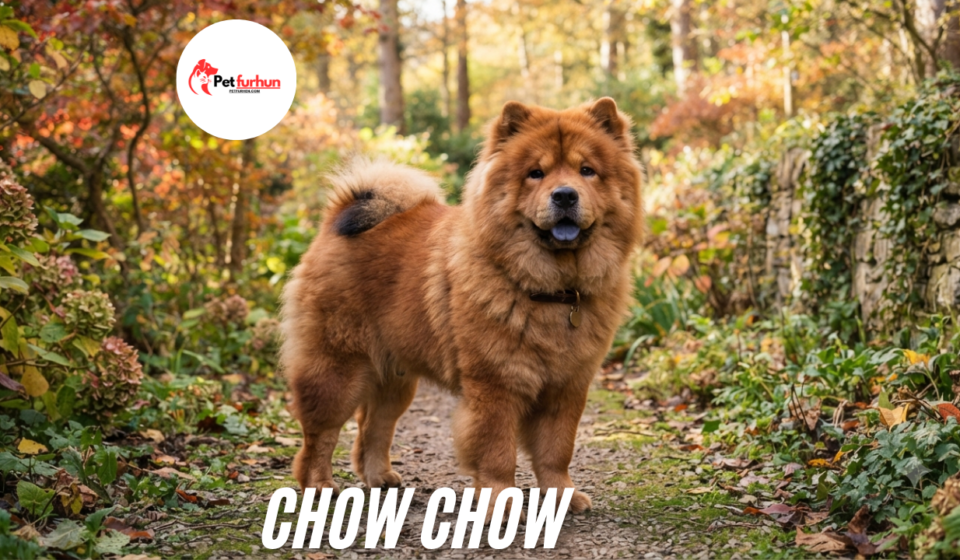
The physical characteristics of Chow Chow dogs make them easy to recognize. They have a broad head, small triangular ears, deep-set eyes, and a thick double coat that creates a mane around the neck. This unique appearance gives the breed a resemblance to a small lion.
A typical Chow Chow size ranges between 17 and 20 inches in height at the shoulder. Adult Chow Chows usually weigh between 45 and 70 pounds, depending on genetics, gender, and overall health. They have a strong, compact body with powerful legs and a curled tail that rests over their back.
The breed has two main coat types: rough coat and smooth coat. The rough coat is more common and gives the Chow Chow its famous fluffy look, while the smooth coat has shorter and softer fur. Both types require regular maintenance to keep the coat healthy.
Chow Chow Colors and Popular Coat Varieties
One of the reasons people search for a Chow Chow for sale is the breed’s attractive range of colors. Chow Chows are available in several beautiful shades, including red, cream, black, blue, and cinnamon.
A black Chow Chow is especially popular because of its deep, elegant coat color. The blue Chow Chow is another eye-catching variety with a grayish-blue appearance. A white Chow Chow usually refers to a very light cream-colored dog, as pure white coats are uncommon.
Although coat color can influence appearance and popularity, responsible owners should focus more on health, temperament, and breeding quality. A healthy Chow Chow with a good personality is far more valuable than a dog chosen only because of its color.
Why Does a Chow Chow Have a Blue Tongue?
The Chow Chow tongue is one of the breed’s most famous features. Unlike most dogs, adult Chow Chows have a blue-black tongue that makes them instantly recognizable. This unusual trait has created many stories and legends throughout history.
Chow Chow puppies are born with pink tongues, but the dark pigmentation develops as they grow older. The color usually becomes noticeable during early puppy development. The blue-black tongue is considered a natural characteristic of the breed and is one of the features that makes the Chow Chow unique.
Chow Chow Food and Nutrition Needs
Choosing the right Chow Chow food is important for maintaining good health, energy, and coat condition. This breed needs a balanced diet that provides quality protein, healthy fats, vitamins, and minerals.
Because Chow Chows can gain weight easily, portion control is important. Overfeeding can put unnecessary pressure on their joints and affect their overall health. Owners should provide meals according to the dog’s age, activity level, and size.
Some Chow Chows may have sensitive stomachs, so sudden food changes should be avoided. A gradual transition between different foods can help prevent digestive problems and keep the dog comfortable.
Chow Chow Temperament and Personality
The Chow Chow has a personality that is different from many other popular dog breeds. It is often calm, independent, and confident rather than overly energetic or attention-seeking. Many owners describe Chow Chows as loyal dogs that develop strong connections with their families.
However, their independent nature means they require early socialization and consistent training. A Chow Chow that is introduced to different people, places, and experiences from a young age is more likely to become a balanced adult dog.
This breed can be protective of its home and family, which makes proper guidance important. Positive training methods work better than harsh discipline because Chow Chows respond best to patience and trust.
Chow Chow Puppy Price and Buying Guide
The Chow Chow price depends on several factors, including breeder reputation, location, bloodline, health testing, and demand. A well-bred Chow Chow puppy may cost more because responsible breeders invest in proper care, veterinary checks, and healthy breeding practices.
People searching for Chow Chow puppies for sale should take time to research breeders carefully. A good breeder should provide information about the puppy’s health, parents, vaccinations, and early care. Buyers should be cautious of unusually cheap puppies because low prices can sometimes indicate poor breeding conditions.
The cost of owning a Chow Chow also includes grooming, food, veterinary care, training, and other daily needs. Preparing for these expenses helps ensure a better life for the dog.
Grooming and Daily Care Requirements
The thick coat of a Chow Chow requires regular grooming. Brushing several times each week helps remove loose hair and prevents tangles. During shedding seasons, grooming becomes even more important because Chow Chows can lose a significant amount of fur.
Along with coat care, owners should pay attention to dental hygiene, nail trimming, and regular health checkups. Daily walks and light exercise are also necessary to keep the dog physically and mentally healthy.
Although Chow Chows are not among the most active breeds, they still need a routine that includes movement and interaction. A comfortable home environment with consistent care can help this breed live a happy life.
Frequently Asked Questions
Is a Chow Chow a good family dog?
A Chow Chow can be a good family companion for owners who understand its independent personality. It is loyal and protective but may not be as playful or social as some other breeds.
How much does a Chow Chow puppy cost?
The price of a Chow Chow puppy varies depending on the breeder, location, pedigree, and health quality. Responsible breeders usually charge more because they focus on producing healthy puppies.
Are black Chow Chows rare?
Black Chow Chows are not a separate breed, but their dark coat color makes them highly popular among dog lovers.
Do all Chow Chows have blue tongues?
Adult Chow Chows usually have blue-black tongues, while Chow Chow puppies are born with pink tongues that darken as they mature.
What vegetables can Chow Chows eat?
Chow Chows can eat some dog-safe vegetables such as carrots, pumpkin, and green beans when prepared properly. Vegetables should only be a small part of a balanced diet.
Are Chow Chows easy to train?
Chow Chows can be challenging to train because of their independent nature. Early socialization, patience, and consistent methods are important for success.
Conclusion
The Chow Chow dog is a unique breed with a fascinating history, beautiful appearance, and strong personality. Its fluffy coat, blue-black tongue, and loyal nature make it one of the most recognizable dogs in the world.
However, owning a Chow Chow requires commitment. Proper grooming, balanced food, early training, and responsible care are essential for keeping this breed healthy and happy.
For the right owner, a Chow Chow can become a devoted and impressive companion. Learning about the breed before bringing home a Chow Chow puppy is the best way to build a long-lasting relationship with this remarkable dog.