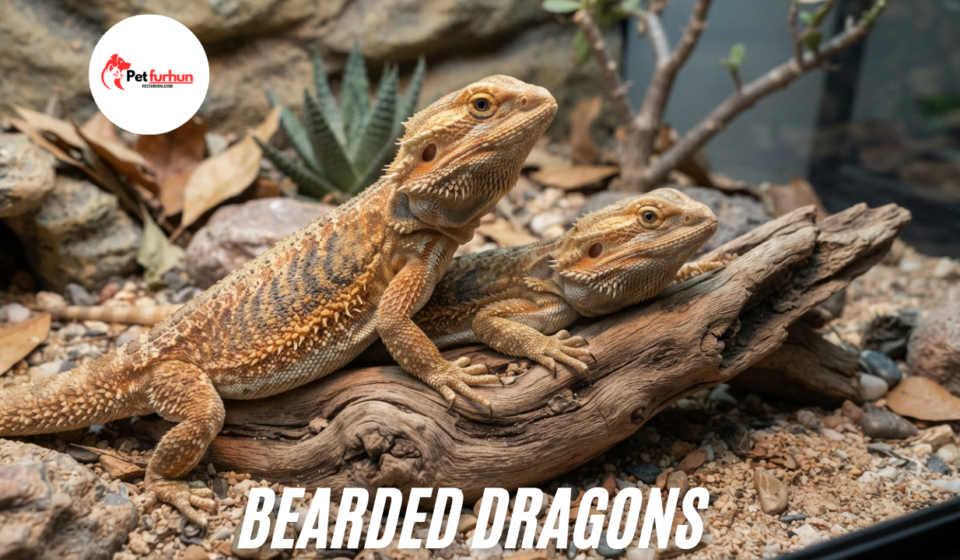

Bearded dragons are one of the most popular pet reptiles because of their calm personality, unique appearance, and interesting behaviors. These Australian lizards are known for the spiky skin under their throat, which looks like a beard when they feel threatened, excited, or are communicating. Their friendly nature and ability to become comfortable around people make them a favorite choice among beginner reptile owners.
Although bearded dragons are often considered easy pets, they still need proper care to stay healthy. They require the right habitat, balanced diet, suitable temperatures, and regular attention. Understanding their natural behavior and needs helps owners provide a safe and comfortable environment where their bearded dragon can live a long and healthy life.
What Are Bearded Dragons?
Bearded dragons are reptiles from the genus Pogona, with the central bearded dragon being the most common species kept as a pet. They originally come from Australia, where they live in dry areas, grasslands, forests, and rocky environments. In the wild, they spend much of their time searching for food, climbing, and sitting in sunny areas to regulate their body temperature.
These reptiles are easily recognized by their wide triangular heads, rough scales, strong legs, and long tails. Their special beard-like throat area is used as a form of communication. A bearded dragon may puff out its beard when it feels stressed, wants to show dominance, or is trying to appear larger.
Why Are Bearded Dragons Popular Pets?
Many people choose bearded dragons because they have a gentle temperament compared with many other reptiles. They are usually calm when handled correctly and can become familiar with their owners over time. Their curious nature also makes them interesting to watch because they interact with their surroundings instead of simply hiding all day.
However, owning a bearded dragon requires commitment. They are not completely maintenance-free pets. A proper enclosure, heating system, lighting, and nutritious food are necessary for their health. New owners should understand that reptiles have different needs from traditional pets like cats and dogs.
Bearded Dragon Size and Lifespan
The size of a bearded dragon depends on its genetics, diet, and overall care. Most adult bearded dragons grow between 15 and 24 inches long, including their tail. Their body size can make them easy to handle while still giving them enough presence to be an enjoyable pet.
With good care, bearded dragons can live for many years. A healthy bearded dragon commonly lives around 8 to 12 years in captivity, although some may live longer when provided with proper nutrition, a suitable habitat, and regular health monitoring.
Creating the Right Habitat for a Bearded Dragon
A comfortable habitat is one of the most important parts of bearded dragon care. These reptiles need enough space to move around, explore, rest, and maintain their body temperature. A properly designed enclosure should include a warm basking area and a cooler section where the dragon can move when it needs to lower its temperature.
Bearded dragons come from sunny environments, so lighting is extremely important. They need UVB lighting to support healthy bones and normal body functions. Without suitable lighting, they may develop health problems over time.
The enclosure should also include safe decorations such as climbing areas, hiding spaces, and sturdy surfaces. A clean and organized habitat helps reduce stress and allows the dragon to display natural behaviors.
What Do Bearded Dragons Eat?
Bearded dragons are omnivores, which means they eat both plants and animal-based foods. Their diet changes as they grow. Young bearded dragons usually need more protein because they are developing quickly, while adult dragons generally eat more vegetables and greens.
A healthy diet includes a variety of leafy greens, vegetables, and properly sized insects. Offering different foods helps provide important nutrients and prevents nutritional problems. Owners should avoid feeding only one type of food because a limited diet may not provide everything a bearded dragon needs.
Fresh water should also be available. Although bearded dragons come from dry regions, they still need hydration to support normal health and digestion.
Understanding Bearded Dragon Behavior
Bearded dragons have unique behaviors that make them fascinating pets. Many owners enjoy learning what their dragon’s movements and reactions mean. For example, head bobbing can be a display of confidence or dominance, while arm waving may be a sign of submission.
A bearded dragon may also flatten its body, open its mouth, or darken its beard depending on the situation. These actions are part of their natural communication system. Learning these signals helps owners understand their pet and recognize signs of discomfort or stress.
Bearded dragons are also known for basking under heat sources. This behavior is normal because reptiles rely on external heat to control their body temperature.
Common Bearded Dragon Health Problems
Like all pets, bearded dragons can experience health problems if their needs are not properly met. Some common issues include nutritional deficiencies, digestive problems, shedding difficulties, and problems related to incorrect temperatures or lighting.
One of the most important parts of preventing illness is maintaining proper care routines. Owners should regularly check their dragon’s eating habits, activity level, appearance, and behavior. Sudden changes may indicate that something is wrong.
Regular visits to a veterinarian who understands reptiles can also help maintain long-term health and identify problems before they become serious.
How to Handle and Care for a Bearded Dragon
Handling a bearded dragon gently can help build trust between the pet and owner. They should always be supported properly, especially their body and legs, because sudden movements can make them feel unsafe.
Spending time near the enclosure and handling them calmly allows them to become familiar with human interaction. Every dragon has its own personality, so some may become comfortable quickly while others need more patience.
Daily observation is also important. Simple habits like noticing eating patterns, activity levels, and behavior changes can help owners provide better care.
Are Bearded Dragons Good Pets for Beginners?
Bearded dragons can be excellent pets for beginners who are prepared to meet their needs. They are generally friendly, interesting, and rewarding animals to care for. Their size and personality make them easier to manage compared with many larger reptiles.
However, they still require responsibility. New owners should be prepared for the costs of setting up an enclosure, buying food, maintaining equipment, and providing regular care. A well-cared-for bearded dragon can become a fascinating companion for many years.
Frequently Asked Questions
Do bearded dragons make good pets?
Yes, bearded dragons are popular pets because they are usually calm, friendly, and interesting to observe. They are a good choice for people who are willing to provide proper care.
How often should you feed a bearded dragon?
Feeding depends on the dragon’s age. Younger dragons usually eat more often because they are growing, while adults need fewer meals with a greater focus on vegetables.
Can bearded dragons recognize their owners?
Many owners believe their bearded dragons recognize them because these reptiles can become familiar with routines, voices, and handling. They may show comfort around people they regularly interact with.
Do bearded dragons need special lighting?
Yes, proper lighting is necessary for bearded dragons. UVB lighting helps support healthy calcium use and normal body functions.
How long do bearded dragons live?
With proper care, bearded dragons often live around 8 to 12 years, although lifespan can vary depending on health, genetics, and living conditions.
Conclusion
Bearded dragons are unique reptiles that combine an interesting appearance with a calm and interactive personality. Their popularity comes from their ability to adapt to life with humans while still showing natural reptile behaviors.
Providing the right habitat, balanced diet, and regular care is the key to keeping a bearded dragon healthy. They are not pets that can simply be placed in a tank and ignored, but they can be rewarding companions when their needs are understood.
For anyone considering bringing home a bearded dragon, learning about their care requirements before adoption is the best way to create a positive experience for both the owner and the animal.