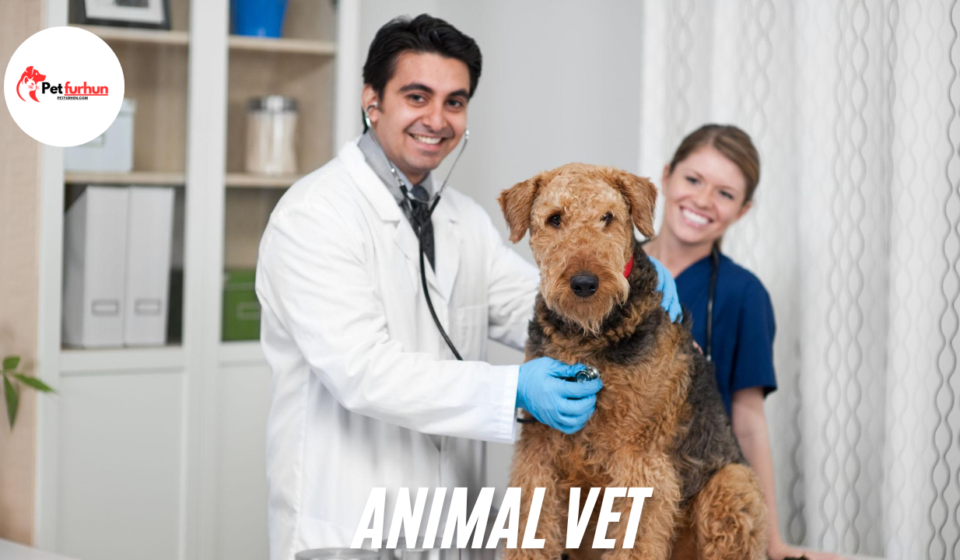

Animal vet care is one of the most essential parts of responsible pet ownership and animal welfare. Whether it is a family dog, a farm animal, or a rescued cat, veterinary professionals play a central role in keeping animals healthy, diagnosing illness early, and guiding owners through treatment decisions. Most people only think of a vet when something goes wrong, but the reality is that veterinary care covers prevention, diagnosis, treatment, and long-term health management.
At its core, an animal vet is a trained medical professional who works specifically with animals. Their job goes far beyond simple check-ups. They are responsible for identifying health problems that animals cannot describe, managing emergencies, performing surgery, and ensuring overall well-being across different species. This combination of science, observation, and decision-making makes veterinary work both demanding and highly specialized.
What an Animal Vet Actually Does
An animal vet is responsible for the medical care of animals in a way similar to how doctors care for humans. However, the challenge is that animals cannot communicate symptoms clearly. This means vets rely on physical examinations, behavior changes, medical history provided by owners, and diagnostic tests to understand what is happening inside the animal’s body.
A typical consultation begins with observation. The vet looks at the animal’s posture, movement, breathing, and overall condition. Even small changes in behavior, such as reduced appetite or unusual tiredness, can provide important clues. From there, the vet may recommend further testing or begin treatment depending on the situation.
Animal vets also handle preventive care, which includes vaccinations, parasite control, and routine health check-ups. These services are designed to stop diseases before they become serious. Preventive care is especially important because many animal illnesses develop quietly and only show clear symptoms when they have already progressed.
Why Veterinary Care Is Important for Pets and Animals
Veterinary care is not only about treating illness. It is about maintaining long-term health and improving the quality of life for animals. Regular visits to a vet help detect hidden problems early, which often leads to simpler and more effective treatment.
For pet owners, this means fewer emergencies and lower long-term medical costs. For animals, it means less suffering and a better chance of living a longer, healthier life. Many common conditions such as dental disease, skin infections, or internal parasites can be managed easily if caught early through routine vet visits.
Veterinary care is also important for public health. Some animal diseases can spread to humans, and vets play a key role in monitoring and controlling these risks. By ensuring animals are healthy, vets also help protect the wider community.
Common Services Provided by Animal Vets
Animal vets provide a wide range of medical services depending on the needs of the patient. One of the most common services is general health examination. During these visits, the vet checks the animal’s weight, temperature, heart rate, and overall physical condition.
Vaccination is another major part of veterinary work. Vaccines help protect animals from serious diseases that can spread quickly and cause long-term harm. These are often given during early life stages and repeated at regular intervals.
Vets also diagnose and treat illnesses such as infections, digestive problems, respiratory issues, and chronic conditions. In many cases, they use laboratory tests or imaging tools like X-rays to confirm what is happening inside the body.
Surgery is also a key part of veterinary medicine. Common procedures include sterilization, tumor removal, and injury repair. In more serious cases, advanced surgical intervention may be required to save an animal’s life or improve its comfort.
How Animal Vets Diagnose Health Problems
Diagnosis in veterinary medicine requires careful observation and structured testing. Since animals cannot explain their symptoms, vets depend heavily on indirect signs and medical tools.
The process often begins with a physical examination. This includes checking the eyes, ears, mouth, skin, and joints. The vet may also listen to the heart and lungs to detect irregularities. Based on these findings, they decide whether further testing is needed.
Blood tests, urine analysis, and imaging techniques help confirm internal issues that are not visible from the outside. These tools allow vets to identify infections, organ problems, or metabolic disorders with greater accuracy.
Once a diagnosis is made, the vet creates a treatment plan. This may involve medication, dietary changes, surgery, or ongoing monitoring. In many cases, treatment is adjusted over time depending on how the animal responds.
Emergency and Critical Care in Veterinary Practice
Emergency care is one of the most important parts of veterinary medicine. Animals can experience sudden injuries, poisoning, breathing difficulties, or severe infections that require immediate attention.
In these situations, the vet’s priority is to stabilize the animal. This may include oxygen support, fluid therapy, pain management, or emergency surgery. Quick decision-making is essential because conditions can worsen rapidly.
Veterinary clinics that handle emergencies often operate with specialized equipment and trained staff to deal with critical cases at any time of day. The goal is always to save the animal’s life and prevent further complications.
The Role of Animal Vets Beyond Clinics
Animal vets do not only work in clinics or hospitals. Their role extends into farms, research facilities, zoos, and public health organizations. On farms, vets help manage livestock health, prevent disease outbreaks, and ensure food safety standards are maintained.
In wildlife and zoo environments, vets care for exotic species that require specialized knowledge. This includes understanding unique diets, habitats, and medical conditions that do not commonly appear in domestic animals.
Some veterinarians also work in research, developing new treatments, studying animal diseases, and improving medical techniques. Others focus on public health, monitoring diseases that can pass between animals and humans.
Education and Training of an Animal Vet
Becoming an animal vet requires years of education and practical training. The path typically includes a veterinary medical degree followed by licensing exams to ensure the individual is qualified to practice safely.
During their studies, veterinary students learn about anatomy, physiology, pharmacology, surgery, and disease management across multiple animal species. This broad training is necessary because vets often treat a wide variety of animals in their careers.
Even after becoming licensed, vets continue learning throughout their professional life. Veterinary medicine evolves constantly, and staying updated with new treatments and technologies is essential for providing effective care.
The Human Side of Veterinary Work
Veterinary work is not only scientific but also emotional. Vets often build strong relationships with both animals and their owners. They are involved in moments of joy, such as a pet recovering from illness, and also in difficult decisions involving serious health conditions.
One of the most challenging aspects of the job is dealing with cases where an animal cannot be cured. In such situations, vets guide owners through difficult choices with compassion and honesty. This emotional responsibility is a significant part of the profession.
Despite the challenges, many veterinarians find their work deeply meaningful because it directly improves the lives of animals and their families.
Conclusion
Animal veterinary care is a vital part of modern society that supports both animal health and public well-being. From routine check-ups and vaccinations to emergency surgery and long-term disease management, vets provide a wide range of services that keep animals healthy and safe.
Their work combines medical knowledge, observation skills, and emotional care, making it one of the most diverse and demanding professions in healthcare. As awareness of animal welfare continues to grow, the role of the animal vet becomes even more important in everyday life.
Understanding what vets do helps pet owners make better decisions and build stronger relationships with the professionals who care for their animals.