
What Is Mange in Dogs?
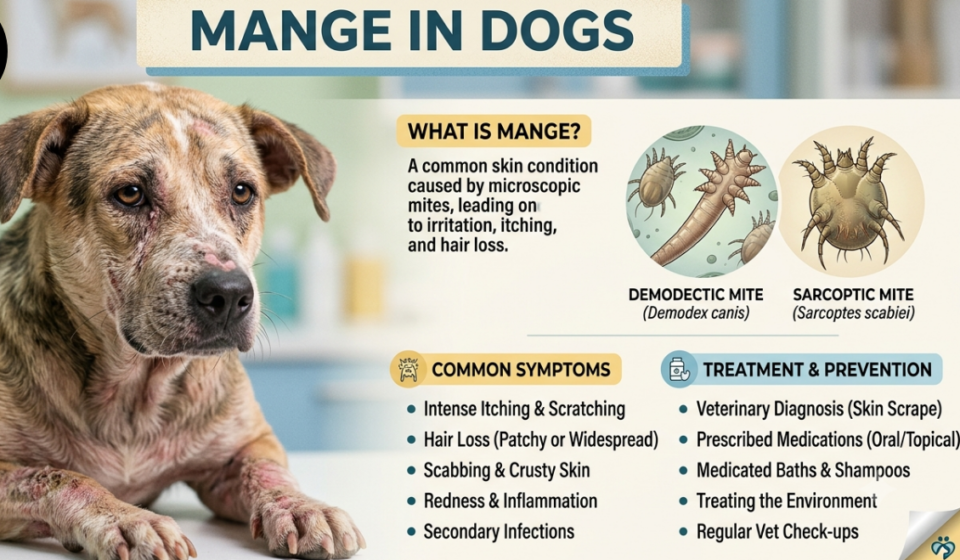
Mange in dogs is a common skin condition caused by tiny mites that live on or under a dog’s skin. These microscopic parasites can cause severe itching, hair loss, redness, and skin irritation. Mange can affect dogs of all ages, but puppies, senior dogs, and dogs with weak immune systems are often at greater risk.
Many pet owners become worried when they notice bald patches or constant scratching. While mange can look serious, most cases can be treated successfully when diagnosed early. Understanding how mange develops and recognizing the symptoms can help dog owners provide quick care and prevent complications.
Mange is not a single disease. Instead, it is a term used for several skin conditions caused by different types of mites. Some forms of mange are contagious, while others occur naturally when a dog’s immune system cannot control the mite population.
Types of Mange in Dogs
There are two main types of mange commonly found in dogs: sarcoptic mange and demodectic mange.
Sarcoptic mange, also known as canine scabies, is caused by mites that burrow into the skin. This type causes intense itching and spreads easily from one dog to another. It can also temporarily affect humans who come into close contact with an infected dog.
Demodectic mange is caused by Demodex mites. These mites normally live in small numbers on a dog’s skin without causing problems. However, when a dog’s immune system becomes weak, the mites multiply rapidly and create skin issues.
Both forms of mange require proper diagnosis and treatment to prevent the condition from worsening.
What Causes Mange in Dogs?
The primary cause of mange is an infestation of mites. However, several factors can increase the chances of a dog developing the condition.
A weakened immune system is one of the most common reasons. Puppies often have immature immune systems, making them more vulnerable to demodectic mange. Older dogs and dogs suffering from illnesses may also struggle to keep mite populations under control.
Poor nutrition can contribute to mange because the body needs proper nutrients to maintain healthy skin and a strong immune system. Dogs that do not receive balanced diets may be more susceptible to skin disorders.
Stress is another factor that can weaken immune function. Changes in environment, overcrowding, poor living conditions, and chronic illness can increase the risk of mange outbreaks.
Dogs that spend time around infected animals are more likely to contract sarcoptic mange because the mites spread through direct contact.
Symptoms of Mange in Dogs
The symptoms of mange can vary depending on the type of mite involved and the severity of the infestation. In many cases, the first sign is excessive scratching.
Dogs with mange often scratch, chew, or lick their skin continuously. This behavior occurs because the mites cause irritation and discomfort.
Hair loss is another common symptom. Small bald patches may appear around the eyes, ears, face, neck, or legs. As the condition progresses, larger areas of hair loss can develop.
Red, inflamed skin is frequently seen in affected dogs. The skin may appear irritated and sensitive. Some dogs develop crusty sores, flaky patches, or thickened skin over time.
An unpleasant odor can occur when secondary bacterial or yeast infections develop. In severe cases, dogs may become restless, lose weight, or appear less active due to constant discomfort.
Early Signs of Mange in Puppies
Puppies are especially prone to demodectic mange. The condition often begins with small areas of hair loss around the eyes and mouth. These patches may look harmless at first, but they can spread if the mite population continues to grow.
Some puppies develop mild redness and flaky skin. Others may experience more noticeable irritation and scratching. Early veterinary attention can help prevent localized mange from becoming a more serious generalized condition.
Many puppies recover completely with proper treatment and improved immune health.
How Mange Affects a Dog’s Skin
Mange damages the skin barrier and creates an environment where bacteria and yeast can thrive. As mites multiply, they trigger inflammation that causes itching and irritation.
The constant scratching and biting can create open wounds. These wounds increase the risk of infection and may lead to painful skin lesions.
In severe cases, the skin becomes thickened and wrinkled. The coat loses its shine and begins to appear thin or patchy. Without treatment, the damage can become extensive and affect a dog’s overall quality of life.
Healthy skin plays an important role in protecting the body. When mange weakens this natural barrier, dogs become more vulnerable to additional health issues.
How Veterinarians Diagnose Mange
Diagnosing mange requires a professional examination because many skin diseases share similar symptoms. Allergies, fungal infections, bacterial infections, and hormonal conditions can all resemble mange.
Veterinarians often perform a skin scraping. During this procedure, a small sample of skin is collected and examined under a microscope to identify mites.
Additional tests may be recommended if secondary infections are present. These tests help determine the most effective treatment plan for the dog.
An accurate diagnosis is important because different types of mange require different treatment approaches.
Treatment for Mange in Dogs
Treatment depends on the type and severity of mange. Modern veterinary medicine offers several effective options that can eliminate mites and restore skin health.
Prescription medications are commonly used to kill mites. These treatments may be given orally or applied directly to the skin. The specific medication chosen depends on the dog’s condition and overall health.
Medicated shampoos are often recommended to soothe irritated skin and remove crusts and debris. Regular bathing can improve comfort and support healing.
Dogs with bacterial infections may require antibiotics. Treating these infections helps reduce inflammation and prevents further complications.
The length of treatment varies. Mild cases may improve within a few weeks, while severe cases can require several months of ongoing care.
Following the veterinarian’s instructions carefully is essential for successful recovery.
Home Care for Dogs With Mange
Proper home care plays a major role in helping dogs recover from mange. Maintaining a clean environment reduces the chance of reinfestation and supports overall healing.
Dog bedding should be washed frequently. Blankets, toys, and other items that come into contact with the dog should also be cleaned regularly.
A nutritious diet supports skin repair and strengthens the immune system. High-quality protein, vitamins, and essential fatty acids contribute to healthier skin and coat growth.
Owners should monitor their dogs closely for signs of improvement or worsening symptoms. Any concerns should be discussed with a veterinarian promptly.
Patience is important because hair regrowth and complete skin recovery can take time.
Can Mange Spread to Humans?
Some forms of mange can affect humans temporarily. Sarcoptic mange is contagious and may cause itchy red bumps on human skin after close contact with an infected dog.
Fortunately, these mites cannot survive long on humans. Once the infected dog receives treatment, human symptoms usually disappear without long-term problems.
Demodectic mange is different because it does not spread to people. The mites involved are specific to dogs and cannot establish themselves on human skin.
Good hygiene and prompt treatment help reduce the risk of transmission.
Can Other Pets Get Mange?
Sarcoptic mange spreads easily between dogs and can sometimes affect other animals in the household. If one pet is diagnosed with sarcoptic mange, veterinarians may recommend evaluating or treating other pets as a precaution.
Demodectic mange is generally not contagious. It usually develops because of immune system issues rather than direct transmission between animals.
Households with multiple pets should follow veterinary recommendations carefully to prevent outbreaks and ensure all animals remain healthy.
How Long Does It Take for Mange to Heal?
Recovery time depends on the type of mange, the severity of the infestation, and the dog’s overall health.
Mild cases often improve within a few weeks after treatment begins. Hair regrowth usually follows once the mites are eliminated and the skin starts healing.
More severe cases can take several months to resolve completely. Dogs with generalized demodectic mange often require extended treatment and monitoring.
Consistency is important throughout the recovery process. Missing medications or stopping treatment too early can allow mites to return and cause new outbreaks.
Most dogs make a full recovery when treatment is completed as directed.
How to Prevent Mange in Dogs
Preventing mange starts with maintaining a healthy immune system. Providing balanced nutrition, regular exercise, and routine veterinary care helps reduce the risk of skin problems.
Dogs should avoid close contact with animals known to have contagious skin diseases. This is especially important in shelters, kennels, and dog parks where exposure risks may be higher.
Routine parasite prevention products recommended by veterinarians can also help protect dogs from various skin parasites.
Regular grooming allows owners to spot early signs of hair loss, redness, or irritation before the condition becomes severe.
Keeping a dog’s environment clean and stress-free further supports overall skin health and wellness.
When to See a Veterinarian
Any dog experiencing persistent itching, unexplained hair loss, or skin irritation should be examined by a veterinarian. Early treatment often leads to faster recovery and fewer complications.
Dogs with severe scratching, widespread hair loss, open sores, or signs of infection require immediate veterinary attention. Delaying treatment can allow the condition to worsen and increase discomfort.
A veterinarian can identify the exact cause of the skin problem and create a treatment plan tailored to the dog’s needs.
Conclusion
Mange in dogs is a skin condition caused by microscopic mites that can lead to itching, hair loss, redness, and discomfort. While the disease may appear alarming, modern treatments are highly effective when the condition is diagnosed early.
Understanding the causes, symptoms, and treatment options allows dog owners to take quick action and protect their pets from unnecessary suffering. Proper veterinary care, good nutrition, a clean environment, and consistent treatment can help dogs recover fully and regain healthy skin and a beautiful coat.
By recognizing the warning signs and seeking professional help when needed, pet owners can ensure their dogs live comfortable, happy, and healthy lives free from the effects of mange.