
Introduction to Fur Hen
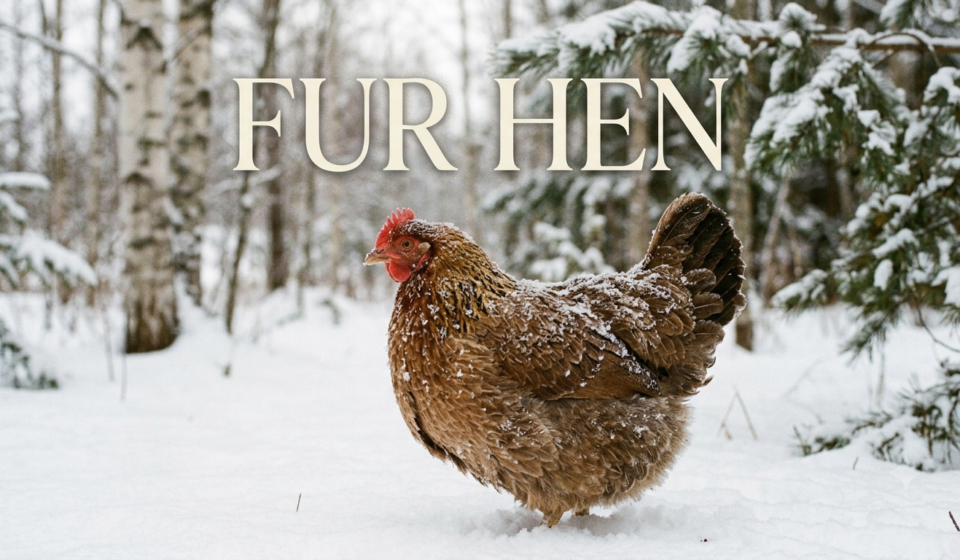
Fur Hen is a term used to describe a type of chicken known for its soft, fluffy, and almost fur-like feathers. Unlike normal chickens, these birds have a unique appearance that makes them stand out in any flock. The name “Fur Hen” comes from the texture of their feathers, which feel more like velvet or fur than traditional feathers. People often keep them for ornamental purposes, as pets, or for hobby farming. Over the years, the Fur Hen has gained popularity because of its gentle temperament and unusual beauty.
History and Origin of Fur Hen
Fur Hens are not a separate species but are domestic chickens bred for their special feather characteristics. These birds have been around for centuries, especially in Asia and Europe, where breeders focused on creating chickens with unusual feather textures. The most famous breed that resembles a Fur Hen is the Silkie, which has feathers that resemble silk or fur. Over time, other breeds with similar feather qualities have also been referred to as Fur Hens. These birds became popular in backyard farming and ornamental chicken keeping due to their appealing looks and calm nature.
Appearance of Fur Hen
Fur Hens are immediately noticeable because of their soft and fluffy feathers. Their plumage is dense and feels like velvet or soft fur when touched. They come in various colors, including white, black, brown, and mixed patterns. The body of a Fur Hen is generally small to medium-sized, and their feathers often cover parts of their face and legs, giving them a rounder, almost spherical appearance. Their eyes are bright, and many have a friendly, gentle expression that adds to their charm. These physical characteristics make Fur Hens favorites for shows and exhibitions.
Breeds Associated With Fur Hens
The term Fur Hen applies to multiple breeds, although the most common is the Silkie. Silkie chickens are known for their black skin, blue earlobes, and fluffy feather structure. Another breed often linked to Fur Hens is the Frizzle, which has curled feathers that give it a puffed, soft appearance. Other ornamental breeds like the Cochin and Polish sometimes fall under the Fur Hen category due to their dense feathering. These breeds are generally friendly, easy to handle, and preferred by people who enjoy keeping chickens for beauty and companionship rather than egg production.
Behavior and Temperament
Fur Hens are known for their calm and friendly nature. They are social birds that enjoy interacting with their flock and with humans. They tend to be less aggressive than other chicken breeds, making them ideal for families and children. These birds are also very active and enjoy foraging for food, scratching the ground, and exploring their environment. Their gentle temperament makes them perfect for backyard farming, where they can coexist peacefully with other chickens and animals. Fur Hens also tend to form bonds with their owners, responding to care and attention in ways that make them seem almost like pets.
Housing and Care
Caring for Fur Hens requires attention to their unique feathers. Their plumage can get wet or dirty easily, so they need dry and clean housing. A secure chicken coop with plenty of ventilation and soft bedding is ideal. Fur Hens also benefit from extra protection during rainy or cold weather because their soft feathers do not provide as much natural protection as standard chicken feathers. Regular cleaning and occasional grooming help maintain the softness and appearance of their feathers. Providing enough space for them to move around is important, as these birds enjoy exercise and exploring their surroundings.
Diet and Nutrition
A balanced diet is essential for Fur Hens to maintain their health and feather quality. These chickens thrive on a mix of grains, vegetables, and protein supplements. Proper nutrition ensures their feathers remain soft and fluffy while keeping them energetic and healthy. Because Fur Hens are often kept for ornamental purposes, maintaining feather quality is important, so many owners provide extra protein or specialized feed during molting seasons. Fresh water must always be available, and occasional treats can help keep these birds happy and active.
Egg Production
Fur Hens are not known for high egg production. Most ornamental breeds lay fewer eggs compared to standard laying chickens. Their eggs are often smaller and may vary in color depending on the breed. Despite this, they do provide eggs that are edible and nutritious. Many people who keep Fur Hens are more interested in their appearance and temperament than their egg-laying capabilities. However, for small-scale backyard farming, these chickens can still contribute to the household with occasional fresh eggs.
Health and Common Problems
Fur Hens’s are generally healthy birds, but their unique feathers can sometimes create challenges. Wet or muddy conditions can lead to feather matting, which may cause discomfort or skin issues. Regular grooming and ensuring clean living conditions can prevent these problems. Like other chickens, Fur Hens are susceptible to parasites such as mites and lice, so periodic health checks and preventive care are important. Vaccinations and a clean environment help reduce the risk of diseases and ensure the flock remains strong and vibrant.
Fur Hen in Shows and Competitions
Fur Hens’s are popular in poultry shows and exhibitions because of their unique appearance. Birds with perfect feather texture, symmetry, and color patterns often win awards and recognition. Breeders who specialize in ornamental chickens carefully select Fur Hens with desirable traits to produce offspring that maintain or enhance these characteristics. Participating in shows allows owners to showcase their birds and connect with other enthusiasts who share a passion for ornamental poultry.
Fur Hen as Pets
Due to their gentle and friendly nature, Fur Hens make excellent pets. They can be handled safely, respond to care, and often enjoy spending time around humans. Families with children find them especially appealing because they are less likely to peck aggressively compared to standard chickens. Their soft, fur-like feathers and calm personality make them a favorite for people who want a combination of beauty, companionship, and educational value in a backyard bird.
Cultural Significance
Fur Hens have gained recognition not only in farming communities but also in social media and popular culture. Their charming appearance has led to viral videos and posts, increasing interest in keeping these birds. People from different countries admire Fur Hens for their ornamental value and share images and tips online. This cultural fascination has transformed the Fur Hen from a backyard curiosity into a global symbol of ornamental poultry keeping and hobby farming.
Comparisons with Traditional Chickens
Compared to regular farm chickens, Fur Hens stand out due to their appearance, temperament, and care requirements. Traditional chickens are often raised primarily for egg production or meat, while Fur Hens are valued for aesthetics and companionship. Their soft feathers, gentle nature, and unique look make them less suitable for large-scale production but perfect for hobbyists. People who enjoy raising animals for personal enjoyment often choose Fur Hens because of their charm and interactive behavior.
Breeding Fur Hens
Breeding Fur Hens requires careful selection to maintain their soft, fluffy feathers. Birds are usually paired based on feather quality, temperament, and appearance. Breeding for ornamental traits sometimes requires extra attention to genetic diversity to prevent health issues. Successful breeding ensures that the next generation retains the signature feather texture and gentle personality that define the Fur Hen. Responsible breeding also helps maintain healthy populations and prevents inbreeding.
Fur Hen in Backyard Farming
Backyard farmers love Fur Hens because they are low-maintenance yet beautiful additions to the flock. They provide entertainment, companionship, and occasional eggs without needing large-scale facilities. Their adaptability allows them to live alongside other chickens, ducks, or small animals. Proper care, nutrition, and shelter ensure that Fur Hens thrive in a backyard environment, adding both visual appeal and joy to small farms and home gardens.
Challenges of Keeping Fur Hens
While Fur Hens are attractive and friendly, they require more care than standard chickens. Their feathers need protection from wet and muddy conditions, and regular grooming may be necessary. They may be more prone to parasites because dense feathers can hide lice or mites. Owners must also monitor their diet and housing to ensure overall health. Despite these challenges, the rewards of keeping a Fur Hen — beauty, calm temperament, and companionship — often outweigh the extra effort.
Tips for First-Time Owners
New owners of Fur Hens should focus on providing a safe, clean, and spacious environment. They should observe feather condition regularly and provide supplements to maintain health. Social interaction is important, as these birds thrive in flocks and enjoy human attention. Choosing compatible breeds and gradually introducing Fur Hens to other animals helps reduce stress and ensures a harmonious backyard environment.
Conclusion
Fur Hens are a unique and captivating type of chicken that combines aesthetic beauty with a gentle, friendly personality. Their soft, fluffy feathers and calm temperament make them ideal for ornamental keeping, backyard farming, and as pets. While they are not the best for high egg production, their charm, adaptability, and social behavior make them highly valued among poultry enthusiasts. Caring for Fur Hens requires attention to their feathers, diet, and living environment, but the rewards are more than worth the effort. With proper care and understanding, Fur Hens can bring joy, beauty, and companionship to any home or farm. They remain a favorite for hobbyists, families, and anyone who appreciates the elegance and friendliness of these special birds.