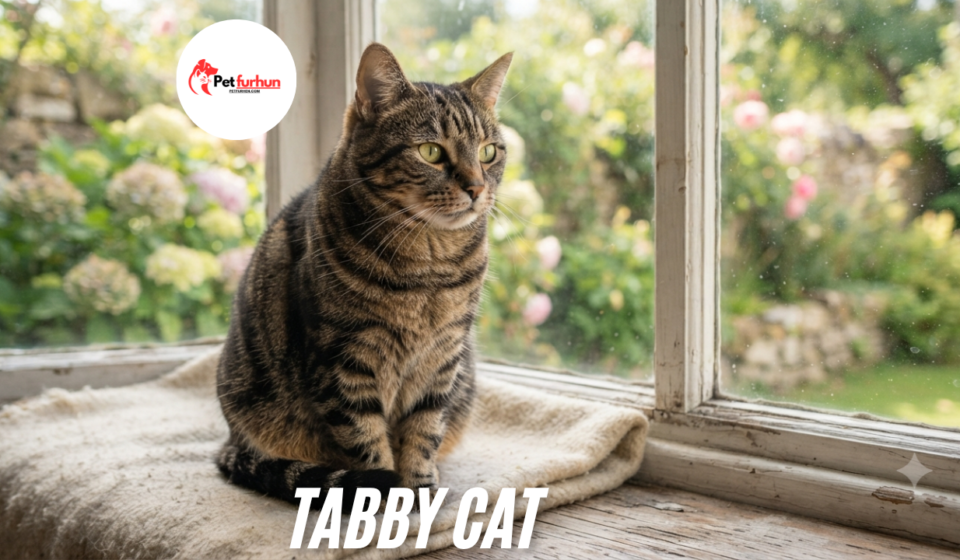

A tabby cat is one of the most familiar and loved types of cats around the world. With their beautiful stripes, spots, and unique facial markings, tabbies have a special appearance that attracts both new and experienced cat owners. Many people search for tabby cats because they want to know about their personality, different colors, breeds, and whether these cats make good pets.
One of the biggest misconceptions is that a tabby cat is a specific breed. In reality, tabby refers to a coat pattern that can appear in many different cat breeds. An orange tabby cat, grey tabby cat, brown tabby cat, or black tabby cat can belong to different breeds, but they share similar markings created by their genetics. Understanding these cats helps owners provide better care and appreciate what makes each tabby unique.
What Is a Tabby Cat?
A tabby cat is a domestic cat with a distinctive coat pattern that usually includes stripes, spots, or swirling designs. Most tabby cats have a recognizable “M” shape on their forehead, which is one of their most famous features. These markings are created by natural genetic patterns that affect how color appears on the cat’s fur.
Since tabby is a pattern and not a breed, tabby cats can vary greatly in size, appearance, and behavior. A small house cat and a large breed such as a Maine Coon can both have tabby markings. This means a cat’s personality and physical features depend more on its breed, genetics, and upbringing than its coat pattern alone.
Different Tabby Cat Colors
One reason tabby cats are so popular is the wide range of colors they can have. Each color gives the cat a different appearance while keeping the classic tabby markings.
An orange tabby cat is one of the most famous varieties. These cats have warm orange or golden fur with darker stripes and are often recognized for their bright appearance. A red tabby cat is another name commonly used for orange-colored tabbies because of the reddish tones in their coat.
A grey tabby cat, also known as a gray tabby cat, has a soft silver or charcoal coat with darker markings. Their elegant appearance makes them a favorite among many cat lovers. A brown tabby cat is one of the most common types and usually has a warm brown background with black or dark brown stripes.
Other beautiful varieties include the black tabby cat, white tabby cat, silver tabby cat, and blue tabby cat. Blue tabbies usually have a diluted gray-blue coat, while silver tabbies have a lighter background that creates a striking contrast with their darker patterns.
Common Tabby Cat Patterns
Tabby cats are also recognized by their different coat patterns. The classic tabby cat has large swirling patterns on its sides, creating a marble-like appearance. These bold markings make classic tabbies easy to recognize.
The mackerel tabby cat has narrow vertical stripes that look similar to a tiger’s coat. This pattern is one of the most common tabby designs and gives cats a wild appearance while keeping their friendly domestic nature.
Some tabbies have spotted patterns where their stripes appear broken into spots, while others have ticked patterns where individual hairs contain different shades of color. These patterns can appear in many breeds and coat colors, making every tabby cat slightly different.
Tabby Cat Breeds and Physical Features
Because tabby describes a coat pattern rather than a breed, many different cat breeds can be tabbies. Popular tabby cat breeds include Maine Coons, American Shorthairs, Bengals, Persians, and domestic short-haired cats.
The size and appearance of a tabby depend on its breed. Some tabbies are small and lightweight, while others can become large cats with thick coats. A long haired tabby cat may have a fluffy appearance and require regular brushing to keep its coat healthy and free from tangles.
Short-haired tabbies usually need less grooming, but they still benefit from regular brushing, nail care, and health checks. Regardless of coat length, every tabby needs proper nutrition, exercise, and attention.
Tabby Cat Personality and Behavior
Many people are curious about tabby cat personality because these cats are often described as friendly, playful, and affectionate. While every cat has its own character, many tabbies are known for being social and adaptable companions.
Tabby cats often enjoy spending time with their owners, exploring their surroundings, and playing with toys. They can be energetic when young but may become calmer as they grow older. Their intelligence and curiosity often make them interactive pets that enjoy learning routines and exploring new environments.
However, a cat’s color does not completely determine its personality. An orange tabby may be outgoing, while another orange tabby may be quiet and independent. The same applies to grey, brown, or silver tabbies. Their behavior depends on genetics, early experiences, and the care they receive.
Tabby Cat Lifespan and Health Care
The average tabby cat lifespan is usually between 12 and 18 years, although many cats can live longer with proper care. Indoor cats often have longer lives because they face fewer risks from accidents, diseases, and outdoor dangers.
A healthy tabby cat needs a balanced diet, fresh water, regular veterinary visits, and daily activity. Playtime is especially important because cats naturally need movement and mental stimulation. Providing scratching posts, toys, and comfortable resting areas helps create a healthy environment.
Regular grooming is also important. Long-haired tabbies require more frequent brushing, while short-haired cats need basic coat maintenance. Paying attention to changes in eating habits, behavior, or energy levels can help owners notice possible health problems early.
Choosing the Right Name for a Tabby Cat
Finding the perfect tabby cat name can be a fun part of bringing a new pet home. Many owners choose names based on their cat’s color, personality, or appearance.
Orange tabbies may inspire names like Ginger, Sunny, or Pumpkin, while grey tabbies may suit names like Smokey, Ash, or Silver. Playful names such as Leo, Milo, Oliver, Luna, or Willow are also popular choices for tabby cats.
The best name is usually one that matches the cat’s unique personality. A curious and energetic tabby may need a different name than a calm and relaxed companion.
Frequently Asked Questions
Are tabby cats a breed?
No, a tabby cat is not a breed. It is a coat pattern that can appear in many different cat breeds and mixed-breed cats.
Are orange tabby cats friendly?
Many orange tabby cats are known for being affectionate and playful, but personality depends on the individual cat rather than its color.
What is the most common tabby cat color?
Brown tabby cats are among the most common, but orange, grey, silver, and other colors are also widely found.
How long does a tabby cat live?
A tabby cat usually lives around 12 to 18 years with proper care, though some cats can live beyond this range.
Do tabby cats make good pets?
Yes, tabby cats can make excellent pets because many are friendly, adaptable, and affectionate companions.
Conclusion
A tabby cat is much more than a beautiful coat pattern. These cats come in many colors, patterns, and breeds, making each one unique. Whether you love an orange tabby cat, a grey tabby cat, or a fluffy long-haired tabby, their charm goes beyond appearance.
With proper food, healthcare, attention, and a loving home, a tabby cat can become a wonderful lifelong companion. Their playful nature, intelligence, and affectionate behavior are the reasons they remain one of the most popular choices among cat lovers.