
The Pomapoo is a charming small dog that combines the playful personality of a Pomeranian with the intelligence of a Poodle. This popular mixed breed has gained attention among dog lovers who want a small companion with a friendly nature, attractive appearance, and adaptable lifestyle. Pomapoos are known for their fluffy coats, expressive faces, and strong bond with their owners.
Although they are often chosen because of their cute appearance, Pomapoos are more than just adorable lap dogs. They have their own personality, care requirements, and training needs. Understanding their temperament, grooming, health, and daily needs can help you decide whether a Pomapoo is the right addition to your home.
What Is a Pomapoo?
A Pomapoo is a cross between a Pomeranian and a Poodle, usually a Toy Poodle or Miniature Poodle. Because it is a mixed breed, every Pomapoo can look and behave slightly differently depending on which traits it inherits from its parents.
The Pomeranian contributes confidence, energy, and a lively personality, while the Poodle adds intelligence, curiosity, and a desire to learn. This combination creates a small dog that is often affectionate, active, and eager to spend time with people.
Pomapoos are not recognized as a purebred breed by major kennel organizations, so there is no official breed standard that defines their exact size, coat, or appearance. This natural variation is one reason why every Pomapoo can feel unique.
Pomapoo Appearance and Size
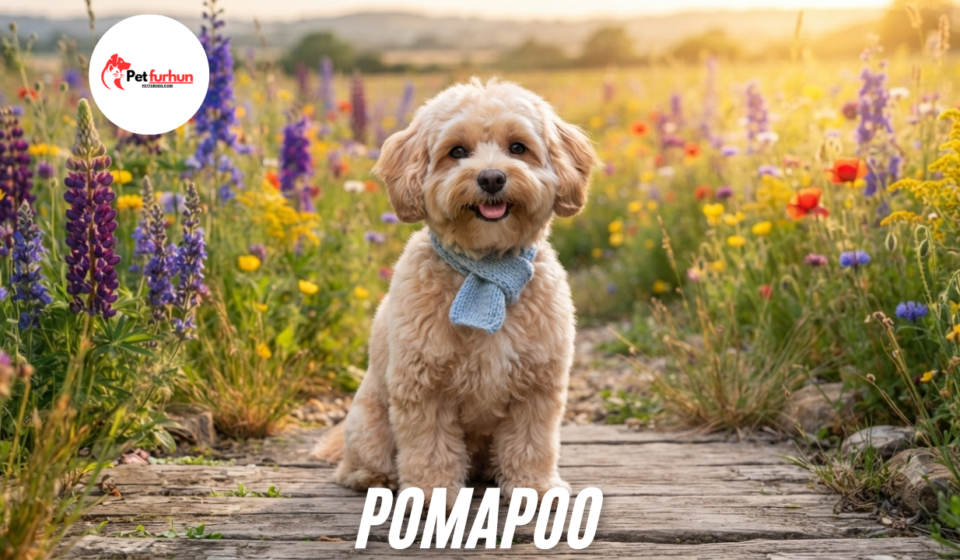
Pomapoos are small dogs with a soft, fluffy appearance that often attracts families and individuals looking for a compact companion. Their size depends mainly on the size of the Poodle parent, but most adult Pomapoos are small enough to comfortably live in apartments or smaller homes.
A typical Pomapoo may have a round face, dark expressive eyes, small ears, and a compact body. Their coat can range from fluffy and straight like a Pomeranian to curly or wavy like a Poodle. Common coat colors include white, cream, black, brown, red, apricot, and combinations of these shades.
Because of their mixed heritage, some Pomapoos may have a thicker double coat, while others may have a softer curlier coat. Their appearance can change significantly even between puppies from the same litter.
Pomapoo Temperament and Personality
Pomapoos are generally affectionate and people-oriented dogs. They often enjoy being around their owners and may develop a strong attachment to their family members. Their friendly personality makes them popular among people looking for a companion dog that enjoys attention and interaction.
Despite their small size, Pomapoos often have a confident attitude. They can be alert and may bark when they notice unfamiliar sounds or visitors. Early training and socialization are important because small dogs can sometimes develop unwanted habits if boundaries are not established.
Many Pomapoos are playful and curious. They enjoy games, short walks, and activities that allow them to use their minds. Their Poodle heritage often makes them quick learners, while their Pomeranian side can bring a fun and energetic personality.
Training and Exercise Needs
Training a Pomapoo is usually manageable because they are intelligent dogs that respond well to positive methods. Reward-based training with treats, praise, and consistency can help them learn commands and good behaviors.
However, their small size does not mean they require no training. Some Pomapoos may become stubborn or develop excessive barking habits if they are not taught proper behavior from an early age. Short and regular training sessions are often more effective than long sessions that may cause boredom.
Pomapoos do not need intense exercise, but they still require daily activity. Short walks, indoor play, and interactive toys can help keep them physically healthy and mentally stimulated. Without enough activity, they may become restless or develop attention-seeking behaviors.
Grooming Requirements for a Pomapoo
Grooming is an important part of caring for a Pomapoo. Their coat usually requires regular brushing to prevent tangles and mats, especially if they inherit the curlier coat of a Poodle.
The frequency of grooming depends on the type of coat your Pomapoo has. Dogs with longer or curlier hair may need more frequent brushing and professional grooming appointments. Regular nail trimming, ear cleaning, and dental care are also necessary to maintain overall health.
Many owners choose professional grooming because it helps keep the coat neat and comfortable. Proper grooming also gives owners a chance to notice early signs of skin problems, irritation, or other health concerns.
Pomapoo Health and Lifespan
A healthy Pomapoo can often live around 12 to 15 years with proper care. Like all dogs, they can be affected by certain health conditions inherited from their parent breeds.
Some possible concerns include dental problems, joint issues, eye conditions, allergies, and kneecap problems. Regular veterinary visits, a balanced diet, and maintaining a healthy weight can help support a longer and healthier life.
Responsible breeding practices are also important. Owners looking for a Pomapoo puppy should choose breeders who focus on healthy parent dogs rather than appearance alone.
Is a Pomapoo a Good Family Dog?
A Pomapoo can be a great companion for many households. Their small size makes them suitable for apartments, while their affectionate personality allows them to fit well with individuals, couples, and families.
However, they may not be the best choice for every situation. Because they are small and delicate, young children should learn how to interact with them gently. Pomapoos also prefer companionship and may struggle if left alone for very long periods regularly.
For owners who can provide attention, training, grooming, and love, a Pomapoo can become a loyal and entertaining family member.
Conclusion
The Pomapoo is a small dog with a big personality. Combining the charm of the Pomeranian with the intelligence of the Poodle, this mixed breed offers affection, playfulness, and companionship.
Before bringing a Pomapoo home, it is important to understand that their cute appearance comes with responsibilities. Regular grooming, proper training, and daily interaction are essential for keeping them happy and healthy.
For the right owner, a Pomapoo can be more than just a pet. It can become a loving companion that brings energy, comfort, and happiness to everyday life.
Frequently Asked Questions
How big does a Pomapoo get?
A Pomapoo is a small dog, and its final size depends on the Poodle parent. Most Pomapoos remain compact and are suitable for smaller living spaces.
Are Pomapoos easy to train?
Yes, many Pomapoos learn quickly because they inherit intelligence from the Poodle. Consistent training and positive reinforcement usually produce the best results.
Do Pomapoos shed?
Pomapoos may shed less than some breeds, but shedding varies from dog to dog. Their grooming needs depend on whether they inherit a straighter or curlier coat.
Are Pomapoos good with children?
Pomapoos can be good with children when properly socialized. Because they are small dogs, children should be taught to handle them carefully.
How long does a Pomapoo live?
A Pomapoo can commonly live between 12 and 15 years with proper nutrition, veterinary care, exercise, and a healthy lifestyle.
Does a Pomapoo need a lot of grooming?
Yes, Pomapoos usually need regular brushing and occasional professional grooming to keep their coat healthy and prevent mats.