
Pets are more than just animals living in our homes; they are companions that become part of our daily lives. Providing proper care requires more than offering food and shelter. Pet owners need to understand their animal’s health, behavior, nutrition, grooming needs, and emotional wellbeing to create a safe and comfortable life for them. Good pet care advice helps owners make better decisions and prevent common problems before they become serious.
Every pet is different, and their needs depend on factors such as age, breed, size, activity level, and overall health. A young puppy, an adult cat, and a senior pet will all require different routines. By learning what your pet needs and paying attention to changes in their behavior, you can provide better care and build a stronger bond with your companion.
Understanding Your Pet’s Daily Needs
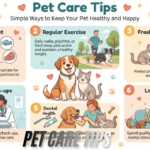
The foundation of good pet care begins with meeting basic daily requirements. Pets need fresh water, balanced food, proper rest, exercise, and attention to stay healthy. A consistent routine helps animals feel secure because they understand when they will be fed, exercised, and cared for.
Many health problems can be avoided when owners understand their pet’s normal habits. Changes in eating patterns, energy levels, sleeping behavior, or bathroom routines may indicate that something is wrong. Observing these small details allows owners to take action early instead of waiting until a problem becomes more serious.
Providing a Healthy and Balanced Diet
Nutrition is one of the most important parts of pet care. A suitable diet provides the energy and nutrients pets need for growth, strong immunity, and overall health. Different animals have different nutritional requirements, so food choices should always match the pet’s species, age, and lifestyle.
Overfeeding is a common issue among pets because treats and extra portions can quickly add unnecessary calories. Maintaining a healthy weight can reduce the risk of several health problems and improve mobility, especially as pets grow older. Owners should choose quality food and avoid making sudden diet changes without proper guidance.
Treats can be useful for training and rewards, but they should be given in moderation. A healthy diet is not only about what pets eat but also about how much they consume each day.
The Importance of Exercise and Mental Stimulation
Regular activity keeps pets physically healthy and mentally active. Dogs often need daily walks and playtime, while cats benefit from toys, climbing areas, and activities that encourage natural behaviors. Exercise helps maintain a healthy weight and reduces boredom that may lead to unwanted behaviors.
Mental stimulation is equally important. Pets need opportunities to explore, learn, and interact with their environment. Training sessions, puzzle toys, and interactive games can keep their minds engaged. A pet that receives enough physical and mental activity is often calmer and more confident.
Grooming Habits That Support Pet Health
Grooming is an essential part of maintaining your pet’s comfort and hygiene. Regular brushing removes loose hair, keeps the coat healthy, and allows owners to notice skin problems or unusual changes. The grooming needs of pets vary depending on their coat type and breed.
Dental care is another important area that should not be ignored. Poor oral hygiene can lead to discomfort and health issues over time. Regular teeth cleaning, suitable dental products, and professional checkups can help protect your pet’s mouth health.
Nail trimming, ear cleaning, and bathing should also be included in a suitable grooming routine. However, excessive grooming or using unsuitable products can cause irritation, so care should always match your pet’s needs.
Regular Veterinary Care and Preventive Health
Routine veterinary visits are an important part of responsible pet ownership. Many illnesses are easier to manage when they are detected early. Regular checkups allow professionals to monitor your pet’s weight, dental health, vaccinations, and general condition.
Preventive care includes protection against common issues such as parasites and infections. Vaccinations and health checks help reduce risks and support a longer, healthier life. Even pets that appear healthy should receive regular attention because some problems may not show obvious signs in the early stages.
Owners should also keep records of important health information, including vaccinations, medications, and previous medical concerns. This information helps provide better care throughout a pet’s life.
Creating a Safe and Comfortable Home Environment
A safe home environment helps pets feel protected and relaxed. Owners should remove hazards such as harmful foods, dangerous chemicals, and objects that pets may accidentally swallow. Secure outdoor areas are also important to prevent pets from getting lost or injured.
Pets need a comfortable space where they can rest without disturbance. Providing a clean sleeping area, suitable toys, and a predictable routine can improve their overall wellbeing. Emotional care matters just as much as physical care because pets need attention, companionship, and positive interaction.
Understanding Pet Behavior
Learning your pet’s behavior helps you understand their needs and emotions. Animals communicate through body language, sounds, and habits. Changes in behavior may sometimes indicate stress, fear, discomfort, or illness.
Training should focus on patience and positive reinforcement. Punishment can increase fear and damage trust between pets and owners. Building a relationship based on understanding and consistency helps pets become more comfortable and responsive.
Common Pet Care Mistakes to Avoid
Many pet owners make mistakes without realizing their impact. Giving too many treats, ignoring regular health checks, skipping exercise, or choosing unsuitable food can affect a pet’s quality of life.
Another common mistake is assuming that pets will naturally adjust to every situation. Animals need guidance, social interaction, and proper care throughout different stages of life. Responsible ownership means continuously learning and adapting to your pet’s changing needs.
Conclusion
Pet care is a long-term commitment that requires attention, knowledge, and compassion. Providing healthy food, regular exercise, proper grooming, veterinary care, and a safe environment can greatly improve your pet’s life.
The best pet owners are those who understand that every animal has unique needs. By creating healthy routines and paying attention to small changes, you can help your pet remain happy, active, and comfortable for many years.
Fur Hen Everything You Need to Know About These Fluffy Backyard Chickens