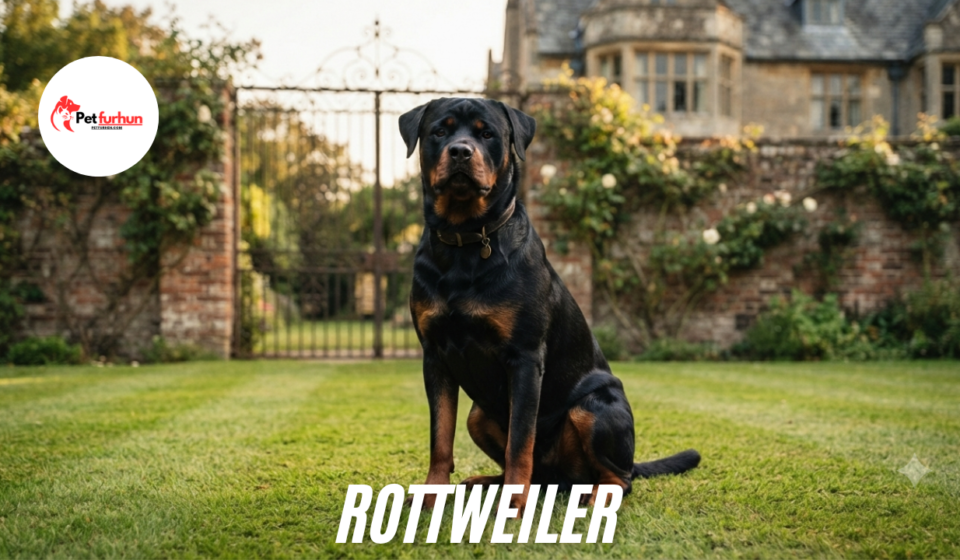

The Rottweiler is a powerful and loyal dog breed known for its confidence, intelligence, and strong connection with its owners. While many people recognize the breed because of its muscular appearance and protective nature, Rottweilers are much more than guard dogs. They have a long history as working companions and can become loving family pets when raised with proper training, socialization, and care.
People often search about Rottweilers because they want to understand their personality, whether they are suitable for families, how difficult they are to train, and what kind of lifestyle they need. The reality is that a Rottweiler is a highly capable dog that requires a responsible owner. With the right guidance, this breed can be calm, affectionate, and extremely loyal.
Rottweiler History and Origin
The history of the Rottweiler goes back thousands of years. The breed developed from ancient Roman drover dogs that helped move and protect livestock during long journeys. As Roman armies traveled across Europe, these working dogs mixed with local breeds and eventually developed into the type of dog associated with the German town of Rottweil.
In Rottweil, Germany, these dogs became valuable helpers for farmers, butchers, and merchants. They were used to move cattle, protect property, and pull carts loaded with goods. Their intelligence, strength, and reliability made them trusted working partners.
As modern transportation reduced the need for cattle-driving dogs, the Rottweiler’s role changed. However, breeders continued preserving its working abilities. Today, Rottweilers are found in many roles, including police work, search and rescue, service work, obedience competitions, and family homes.
Rottweiler Appearance and Physical Characteristics
The Rottweiler has a strong and athletic appearance that reflects its working background. It is a medium-to-large breed with a muscular body, broad chest, and powerful movement. Male Rottweilers are usually larger than females, with males often reaching around 24 to 27 inches in height, while females are generally around 22 to 25 inches.
Their coat is short, dense, and usually black with clearly defined tan, rust, or mahogany markings on areas such as the face, chest, legs, and eyebrows. The breed’s broad head, strong jaw, and confident expression are some of its most recognizable features.
Although Rottweilers have a naturally strong build, they should not appear heavy or unhealthy. A well-maintained Rottweiler should have good muscle tone, proper weight, and the ability to move comfortably.
Rottweiler Temperament and Personality
The temperament of a Rottweiler is one of the main reasons people are interested in this breed. Rottweilers are known for being loyal, intelligent, and protective of their families. They often create strong bonds with their owners and enjoy being involved in daily activities.
Despite their reputation as protective dogs, Rottweilers are not naturally aggressive. A dog’s behavior depends on genetics, upbringing, training, and social experiences. A properly raised Rottweiler can be friendly, confident, and relaxed around people.
Because they are naturally alert and protective, Rottweilers need early socialization. Introducing puppies to different people, places, sounds, and experiences helps them develop into balanced adults. Without proper socialization, a large and confident dog may become difficult to handle.
Rottweilers are also known for their affectionate side. Many owners describe them as loyal companions that enjoy spending time with their families and often prefer being close to their favorite people.
Training a Rottweiler the Right Way
Training is one of the most important parts of owning a Rottweiler. This breed is intelligent and usually learns quickly, but it also has a confident personality. Owners need to provide consistent rules and clear communication from an early age.
Positive training methods work well with Rottweilers because they respond strongly to rewards, encouragement, and trust-based relationships. Basic obedience training should begin during puppyhood and continue as the dog grows.
Commands such as sit, stay, come, and walking calmly on a leash are especially important because of the breed’s strength. A well-trained Rottweiler is easier to manage and more enjoyable to live with.
Mental stimulation is also important. Puzzle toys, training exercises, and activities that challenge their problem-solving skills can help prevent boredom.
Exercise Needs and Daily Care
Rottweilers are active dogs that need regular physical and mental activity. They were developed as working dogs, so they usually enjoy having something meaningful to do. Daily walks, play sessions, and training activities help keep them healthy and well-behaved.
A Rottweiler that does not receive enough exercise may become bored and develop unwanted behaviors. Providing enough activity is especially important for young dogs because they have high energy levels and need proper outlets.
Along with exercise, Rottweilers need basic grooming care. Their short coat is relatively easy to maintain, but they still shed throughout the year. Regular brushing helps remove loose hair and keeps their coat healthy.
Owners should also pay attention to nail trimming, dental care, and routine health checks. Regular veterinary visits help identify potential health concerns early.
Common Rottweiler Health Concerns
Like many large dog breeds, Rottweilers can be prone to certain health conditions. Some common concerns include hip dysplasia, elbow problems, heart conditions, and certain inherited diseases.
Responsible breeders focus on health testing to reduce the risk of passing genetic problems to puppies. Choosing a reputable breeder is one of the most important decisions for anyone considering a Rottweiler.
Nutrition and weight management also affect a Rottweiler’s health. Carrying extra weight can put unnecessary pressure on joints and increase the risk of mobility problems. A balanced diet, regular exercise, and veterinary care can help support a longer and healthier life.
Is a Rottweiler the Right Dog for You?
A Rottweiler can be an excellent companion for the right owner. This breed is best suited for someone who understands the importance of training, exercise, and responsible ownership.
They are not ideal for people looking for a low-maintenance dog that requires little attention. Their intelligence and strength mean they need guidance, structure, and regular interaction.
For families and individuals who are prepared to invest time and effort, a Rottweiler can become a devoted and trustworthy companion. Their loyalty and connection with their owners are among the qualities that make this breed special.
Frequently Asked Questions
Are Rottweilers good family dogs?
Yes, Rottweilers can be excellent family dogs when they are properly trained and socialized. They are often loving and protective toward their families, but supervision is important because of their size and strength.
Are Rottweilers aggressive dogs?
Rottweilers are not naturally aggressive. Their behavior depends on breeding, training, socialization, and how they are treated by their owners.
Are Rottweilers easy to train?
Rottweilers are intelligent and capable learners, but they require consistent training. Their confident personality means owners need patience and clear leadership.
How much exercise does a Rottweiler need?
Most Rottweilers need daily exercise, including walks, playtime, and mental activities. Regular activity helps maintain good behavior and overall health.
Do Rottweilers make good guard dogs?
Yes, Rottweilers have natural protective instincts and can be effective guard dogs. However, proper training is necessary to ensure they respond appropriately.
Conclusion
The Rottweiler is a remarkable breed with a history built around loyalty, strength, and teamwork with humans. While their powerful appearance can sometimes create misunderstandings, a properly raised Rottweiler is often a gentle, devoted, and intelligent companion.
Owning this breed comes with responsibility. Training, socialization, exercise, and healthcare are essential parts of helping a Rottweiler become a well-balanced dog. For owners who are ready to provide proper care, the Rottweiler can be a lifelong friend and a dependable member of the family.