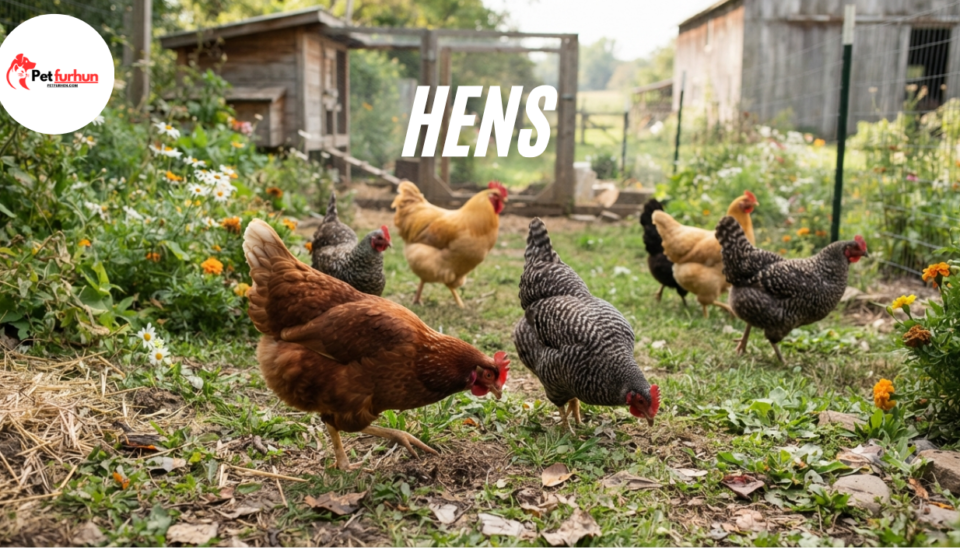

Hens are among the most familiar domestic birds in the world, yet many people only know them for one thing: eggs. In reality, hens play a much bigger role in farming, food supply, and even household living than most people realize. A hen is the adult female chicken, and once she reaches maturity, her body begins producing eggs on a regular cycle.
Understanding hens is useful whether you are raising them at home, studying agriculture, or simply curious about where your food comes from. Their behavior, needs, and natural patterns explain a lot about how modern poultry farming works and why hens remain so important in daily life.
What a hen actually is
A hen is a fully grown female chicken that belongs to the species Gallus gallus domesticus. The term is used specifically for females that have reached maturity, while younger females are called pullets and males are called roosters.
Hens are domesticated birds that have been raised by humans for thousands of years. They originally come from wild junglefowl found in parts of Asia, but over time they have been bred into many different types. Some breeds are known for high egg production, while others are raised for meat or dual-purpose farming.
What makes hens especially valuable is their natural ability to lay eggs even without mating. This biological feature is what allows continuous egg production in farms and backyard coops around the world.
How hens live and behave
Hens are social animals that prefer to live in groups. In a flock, they naturally form a social structure often called a pecking order. This means each bird has a position in the group that affects feeding, resting, and nesting behavior. While this system may look strict, it actually helps reduce constant conflict within the flock.
Their daily behavior is simple but consistent. Hens spend a large part of their time searching for food, scratching the ground, dust bathing, and resting. Dust bathing is especially important because it helps them keep their feathers clean and control parasites naturally.
They are also highly sensitive to their environment. Sudden changes in noise, light, or housing conditions can affect their stress levels and even influence egg production. A calm and stable environment usually results in healthier hens and more consistent laying.
Egg production and natural cycle
Egg laying is the most well-known function of hens. Once a hen reaches maturity, her reproductive system starts producing eggs in a regular cycle. In many breeds, this begins around five to six months of age, although it can vary depending on genetics, nutrition, and living conditions.
A healthy hen can lay eggs almost daily during her peak laying period. However, this does not continue at the same level throughout her life. Egg production is strongest in the first couple of years and gradually slows down over time. Seasonal changes can also affect laying patterns, especially when daylight hours become shorter.
Nutrition plays a major role in egg quality. Hens require a balanced diet with enough protein and calcium to produce strong eggshells. Without proper nutrients, egg production can decline, and shell quality may become weak or inconsistent.
It is also important to understand that hens do not need a rooster to lay eggs. Eggs are produced naturally, whether they are fertilized or not. A rooster is only needed if the goal is to hatch chicks.
Housing and care of hens
The way hens are kept has a direct impact on their health and productivity. In commercial systems, hens are often raised in controlled environments where temperature, light, and feed are carefully managed. This allows consistent egg production throughout the year.
In backyard settings, hens are usually kept in coops with outdoor access. These environments allow more natural movement and behavior, but they also require more attention from the owner. Clean water, proper feed, safe shelter, and protection from predators are essential parts of care.
Hygiene is another important factor. Dirty or overcrowded living spaces can lead to disease and stress. Healthy hens need space to move, clean nesting areas, and regular access to fresh air. When these needs are met, hens tend to stay active and productive for longer periods.
Health and common challenges
Like all animals, hens face health issues that can affect their wellbeing. One common problem is stress, which can be caused by overcrowding, loud environments, or sudden changes in routine. Stress often leads to reduced egg production and changes in behavior.
Parasites such as mites or lice can also affect hens if their living conditions are not properly maintained. These pests irritate the skin and feathers, making it difficult for hens to rest comfortably. Regular cleaning and proper housing design help reduce these risks.
Another natural challenge is molting. This is a process where hens lose and regrow feathers, usually once a year. During this time, egg production may slow down or stop completely. Although it can look concerning, molting is a normal part of a hen’s life cycle.
Age is also a major factor. As hens grow older, their egg production naturally declines. This does not mean they are unhealthy; it simply reflects the natural limits of their reproductive system.
Why hens matter in everyday life
Hens play a major role in global food systems. Eggs are one of the most widely consumed sources of protein across the world. They are affordable, nutritious, and easy to produce, which is why hens are found in both large farms and small households.
Beyond food production, hens also support sustainable living practices. Many people keep backyard hens to reduce food costs and improve food independence. Fresh eggs from hens are often considered higher in quality compared to store-bought options because they come directly from local sources.
Hens also contribute to natural farming systems. Their droppings can be used as fertilizer, and their scratching behavior helps turn soil and reduce pests in garden spaces. This makes them useful beyond just egg production.
Conclusion
Hens are simple animals in appearance, but their role in human life is deeply connected to food, farming, and sustainability. From their natural egg-laying cycle to their social behavior and care needs, every part of a hen’s life influences how they are raised and valued.
Understanding hens helps people make better decisions about food sources, animal care, and even small-scale farming. Whether kept in large systems or small backyard coops, hens remain one of the most important domesticated birds in the world.
Their presence continues to support households and agriculture in a quiet but essential way, showing how something so ordinary can have a lasting impact on everyday life.