
Most dog owners notice bad breath before anything else. They assume it is normal or just part of aging. In reality, it is often the first sign of dental disease that needs professional attention. A dog dentist is not a luxury service. It is a veterinary specialist or trained veterinarian who focuses on diagnosing and treating oral health problems in dogs.
Dental care for dogs is often overlooked until pain or infection becomes visible. By that stage, the problem is usually advanced. Understanding what a dog dentist does can help you prevent serious health issues and keep your dog comfortable for years.
What a Dog Dentist Really Means
A dog dentist is a veterinary professional who treats oral health conditions in dogs. This includes general veterinarians with dental training as well as veterinary dental specialists who focus entirely on teeth, gums, and jaw-related conditions.
Their work goes beyond cleaning teeth. They examine gums, check for infections, evaluate tooth roots, and treat conditions that are often hidden below the surface. Most dental problems in dogs develop under the gum line, which is why proper clinical examination is essential.
Unlike humans, dogs cannot explain pain or sensitivity. This makes veterinary dental care even more important because problems are often discovered during routine checkups rather than at the owner’s request.
Why Dog Dental Health Matters More Than People Expect
Dental disease in dogs is extremely common. Many dogs develop some level of gum disease by the time they reach adulthood. It starts slowly with plaque formation and gradually turns into tartar buildup, gum inflammation, and infection.
The biggest concern is that dental disease is not just about teeth. Bacteria from the mouth can enter the bloodstream and affect internal organs over time. This is why veterinarians treat oral health as part of overall health, not just cosmetic care.
A dog that eats normally can still have serious dental disease. That is what makes regular dental checkups so important. Problems often progress silently without obvious warning signs until they become painful or severe.
Signs Your Dog May Need a Dog Dentist
The most common sign of dental trouble is bad breath that does not go away. Many owners dismiss this as normal, but persistent odor usually indicates bacterial buildup in the mouth. Red or swollen gums are another early sign that should not be ignored.
Dogs with dental pain may also change their eating habits. They might chew on one side, avoid hard food, or drop food while eating. Some dogs become less interested in toys that require chewing.
In more serious cases, you may notice visible tartar on the teeth, bleeding gums, or swelling around the face. These signs suggest that infection may already be advanced and professional treatment is needed as soon as possible.
What Happens During a Dog Dental Visit
A visit to a dog dentist usually begins with a full oral examination. The veterinarian checks the teeth and gums for visible problems and decides whether deeper cleaning or treatment is required.
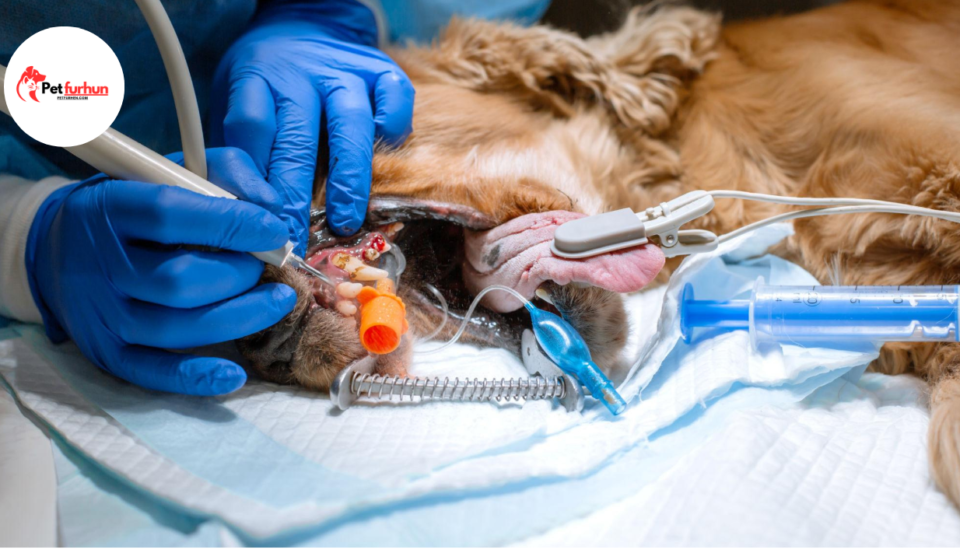
Most dental procedures are performed under anesthesia. This allows the veterinarian to clean below the gum line safely and thoroughly. Without anesthesia, it is impossible to examine or treat hidden areas properly.
Once the dog is under anesthesia, the teeth are cleaned using specialized tools to remove plaque and tartar. The gums are examined for pockets of infection, and dental X-rays may be taken to check the roots and jaw structure.
If damaged or infected teeth are found, they may need to be removed. This is done to prevent ongoing pain and stop the spread of infection. After cleaning and treatment, the teeth are polished to slow future plaque buildup.
Why Professional Dog Dentists Are Important
Many pet owners try to manage dental care at home, but home care alone is not enough once disease has started. Professional dog dentists can detect problems that are not visible during a normal inspection.
They also have the equipment needed to treat conditions safely. Dental X-rays, anesthesia monitoring, and surgical tools are essential for complete care. Without these, many problems remain untreated beneath the surface.
Veterinary dental care is also important because every dog is different. Breed, age, and size all affect dental risk. Small breeds often develop more crowded teeth, which increases the chance of gum disease. Older dogs are also more likely to develop advanced dental issues.
At-Home Dental Care Still Plays a Role
Even though professional care is important, daily maintenance at home can reduce the risk of serious dental disease. Brushing a dog’s teeth regularly helps control plaque before it hardens into tartar.
Many dogs do not tolerate brushing easily, so owners often use dental chews or vet-approved cleaning products as additional support. These do not replace brushing or professional cleaning, but they help reduce buildup between veterinary visits.
Consistency matters more than perfection. Even simple daily care can make a noticeable difference over time.
When a Dog Dentist Visit Becomes Urgent
Some dental problems require immediate attention. Severe swelling in the face or jaw is often a sign of infection. Broken teeth can also expose sensitive nerves and cause significant pain.
If a dog suddenly stops eating or shows signs of distress while chewing, it may indicate advanced dental disease. In these cases, delaying treatment can lead to worsening infection or complications.
Older dogs should be monitored more closely because they are at higher risk for hidden dental problems, including infections and oral tumors.
The Long-Term Benefits of Dental Care
Regular visits to a dog dentist improve more than oral health. They help maintain overall well-being by preventing chronic pain and reducing infection risk. Dogs with healthy mouths tend to eat better, play more, and show fewer behavioral changes linked to discomfort.
Early treatment also reduces long-term veterinary costs. Treating small issues early is always easier and less expensive than managing advanced dental disease.
Dental care is one of the simplest ways to improve a dog’s quality of life. It directly affects comfort, energy levels, and overall health.
Conclusion
A dog dentist plays a vital role in maintaining a dog’s overall health. Dental disease is common, but it is also preventable and treatable when caught early. Regular checkups, professional cleaning, and consistent home care all work together to protect your dog from pain and long-term complications.
Ignoring dental health can lead to serious problems that affect more than just the mouth. That is why veterinary dental care should be seen as a normal part of responsible pet ownership.
A healthy mouth often means a healthier, happier dog.