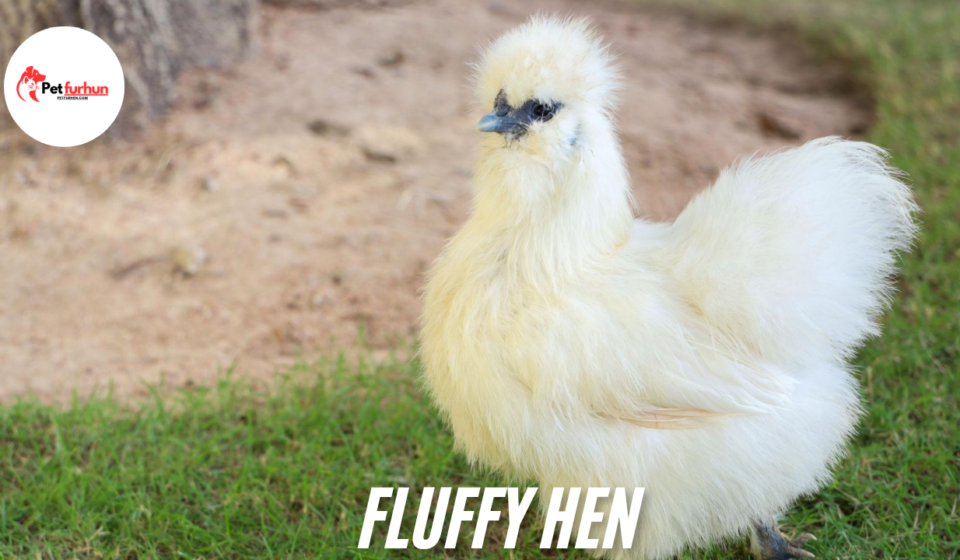

A fluffy hen is not a single official breed of chicken but a simple way people describe birds that look unusually soft, round, and covered in dense feathers. These chickens often stand out in backyard farms, pet collections, and social media videos because their appearance feels almost unreal compared to standard farm poultry. Instead of sleek, flat feathers, they have puffed, layered, or even curly plumage that gives them a cloud-like look.
People usually search for fluffy hens when they see one and want to know what breed it is or whether it is suitable as a pet. The term has become popular because it captures a very specific visual style that many chicken breeds share, even though they are genetically different.
What a Fluffy Hen Really Means
The phrase fluffy hen is descriptive rather than scientific. It is used for chickens that appear soft and voluminous due to their feather structure. These feathers are often lighter, more flexible, or more layered than those of common farm chickens, which makes the bird look bigger and softer than it actually is.
In many cases, the fluffiness comes from genetics that affect feather shape and growth. Some breeds have feathers that grow outward instead of lying flat, while others have extra feathering on their legs, heads, or bodies. When combined, these traits create the appearance people recognize as “fluffy.”
This is why fluffy hens can look very different from each other even though they fall under the same general description.
Why People Are So Interested in Fluffy Chickens
Fluffy hens attract attention for more than just their appearance. Many people find them appealing as backyard pets because they look gentle and approachable. Their rounded shape and soft feathering often give them a friendly personality impression, even before interacting with them.
There is also a growing interest in ornamental poultry keeping, where chickens are chosen not only for egg production but also for beauty and companionship. In this space, fluffy hens have become one of the most popular choices.
Social media has also played a role. Videos and photos of unusual chickens often go viral, and fluffy hens stand out easily because they look different from what most people expect a chicken to look like.
Silkie Chickens: The Most Recognized Fluffy Hen
Silkie chickens are the most well-known example of a fluffy hen. Their feathers are soft and silky in texture, lacking the stiff structure that typical chicken feathers have. This gives them a fur-like appearance that makes them look almost like a small stuffed animal.
Silkies are usually small in size and have a calm, gentle nature. They are often kept as ornamental birds rather than for heavy egg production. Their unique feather structure also includes features like feathered legs and a rounded body shape, which enhances their fluffy appearance.
Because of their distinct look and friendly behavior, Silkies are often the first breed people think of when they hear the term fluffy hen.
Cochin Chickens and Their Full Feathering
Cochin chickens are another strong example of a fluffy hen. Unlike Silkies, they are large and heavy birds, but their entire body is covered in thick, soft feathers. Even their legs and feet are fully feathered, which adds to their rounded and puffed appearance.
This breed has a calm and slow-moving personality, which matches its soft and bulky look. Cochins were originally developed as ornamental birds and remain popular in exhibitions and backyard flocks today.
Their fluffy appearance is not just on the surface. The density of their feathers gives them a layered texture that makes them appear larger than they actually are.
Polish Chickens and Their Fluffy Head Crest
Polish chickens are known for a different kind of fluffiness. Instead of full-body feathering, they have a large crest of feathers on top of their head. This crest often covers part of their eyes and creates a dramatic, fluffy hairstyle-like appearance.
Their body is not as heavily feathered as Silkies or Cochins, but the head crest alone is enough to place them in the fluffy category. This feature makes them highly recognizable and popular in ornamental poultry collections.
Polish chickens are active and alert birds, but their limited vision due to crest feathers can make them more cautious in open environments.
Other Breeds That Appear Fluffy
Several other chicken breeds are also considered fluffy due to their feather structure. Brahma chickens are large birds with thick feathering and a soft outline that makes them appear rounded and heavy. They are often chosen for cold climates because their dense feathers provide natural insulation.
Faverolles are another example, known for their feathered legs and beards that give their face a soft, full appearance. Sultan chickens also fall into this category due to their ornamental feathering and elegant look.
Frizzle chickens are slightly different because their feathers curl outward instead of lying flat. This creates a messy, puffed look that increases their visual fluffiness even further.
Each of these breeds contributes to the broader idea of what people call a fluffy hen.
Care Needs of Fluffy Hens
Fluffy hens often require a bit more attention than standard chickens because of their feather structure. Their dense or unusual feathers can trap dirt and moisture more easily, especially around the feet and lower body. This means their living area needs to stay clean and dry to avoid discomfort or health issues.
Some fluffy breeds also handle extreme weather differently. Birds with heavy feathering may cope well in cold conditions, while others with softer or less structured feathers may need extra protection from rain or damp environments.
Despite these considerations, many fluffy hens are known for their calm temperament, which makes them easier to manage in backyard settings.
Egg Production and Temperament
Fluffy hens are not defined by egg production, and their laying ability varies widely by breed. Some, like Polish chickens, can produce a moderate number of eggs, while others like Silkies are less productive.
Temperament is where many fluffy breeds shine. They are often calm, social, and comfortable around humans. This is one of the reasons they are popular in family farms and pet-friendly environments.
Their behavior makes them suitable for beginners who want chickens that are easy to handle and observe.
Common Misunderstandings About Fluffy Hens
One common misunderstanding is that fluffy hens are rare or exotic. In reality, most are well-established domestic breeds that have been around for many years. Their unique appearance is the result of selective breeding rather than rarity.
Another misconception is that fluffier chickens are weaker or harder to keep. While some breeds need specific care, many are just as healthy and adaptable as standard chickens when kept in proper conditions.
People also assume that fluffiness always affects egg production, but this is not always true. Each breed has its own balance of appearance, productivity, and temperament.
Conclusion
Fluffy hens are a diverse group of chicken breeds connected by one shared trait: soft, dense, or unusual feathering that gives them a rounded and striking appearance. From Silkies with their silk-like feathers to Cochins with full-body fluff, each breed brings something different to backyard poultry keeping.
Their popularity continues to grow because they combine beauty with calm behavior, making them enjoyable both as pets and ornamental birds. While they may need slightly more care in certain conditions, their charm and personality often make them a favorite among chicken enthusiasts.
For anyone interested in backyard poultry, fluffy hens offer a unique balance of appearance and temperament that makes them stand out in any flock.
Frequently Asked Questions
What is a fluffy hen?
A fluffy hen is a general term used for chickens with soft, dense, or unusual feathers that make them look puffed and rounded. It is not a specific breed.
Which chicken is considered the fluffiest?
Silkie chickens are often considered the fluffiest because their feathers feel soft and silk-like rather than stiff and structured.
Are fluffy hens good for beginners?
Many fluffy breeds are suitable for beginners because they are calm and easy to handle, although they may need a bit more care in wet or dirty conditions.
Do fluffy hens lay eggs regularly?
Egg production depends on the breed. Some fluffy hens lay regularly, while others produce fewer eggs due to their ornamental nature.
Can fluffy chickens survive cold weather?
Some fluffy breeds like Cochins and Brahmas handle cold weather well because of their thick feathers, while others may need extra protection.
Are fluffy hens natural or bred?
Fluffy hens are the result of selective breeding. Their unique feather traits have been developed over time in domesticated chicken breeds.
petfurhen.com