
Many people love cats but struggle with allergies that make owning one difficult. This has led to growing interest in hypoallergenic cats, which are often described as breeds that may cause fewer allergic reactions. While no cat is completely free of allergens, some breeds are known for producing fewer allergens or spreading them less throughout the home.
If you have allergies but still dream of sharing your life with a cat, understanding how cat allergies work and which breeds may be more suitable can help you make a better decision.
What Are Hypoallergenic Cats?
The term “hypoallergenic cats” refers to cats that are believed to trigger fewer allergy symptoms than other breeds. Many people assume cat fur is the main cause of allergies, but the real issue is usually a protein called Fel d 1. This protein is found in a cat’s saliva, skin oils, and dander.
When cats groom themselves, the protein spreads onto their fur and skin. As hair and dander move around the home, allergy sufferers may experience symptoms such as sneezing, itchy eyes, coughing, or congestion. Hypoallergenic cats are generally breeds that produce lower levels of this protein or shed less frequently.
Why No Cat Is Completely Hypoallergenic
One of the most common misunderstandings is that certain cats are completely allergy-free. The truth is that all cats produce allergens. Even hairless breeds release allergenic proteins through their skin and saliva.
The difference lies in the amount of allergens produced and how they spread. Some cats naturally create lower levels of allergenic proteins, while others shed less fur and dander. As a result, allergy sufferers may find certain breeds easier to live with, but there is never a guarantee that symptoms will disappear entirely.
Popular Hypoallergenic Cat Breeds
Several cat breeds have earned a reputation for being more allergy-friendly than others. Among the most well-known is the Siberian cat. Despite its thick coat, many owners report fewer allergy symptoms when living with a Siberian because the breed may produce lower levels of Fel d 1.
The Balinese cat is another popular choice. Often called the “long-haired hypoallergenic cat,” it combines a beautiful appearance with a reputation for lower allergen production. Many allergy sufferers find this breed easier to tolerate compared to other long-haired cats.
Russian Blue cats are frequently recommended for people with mild allergies. Their dense double coat may help trap allergens close to the skin rather than allowing them to spread as easily throughout the home. They are also known for their calm personalities and strong bonds with their owners.
Hairless Cats and Allergy Myths
Many people assume that hairless cats are the perfect solution for allergies. The Sphynx cat is often the first breed that comes to mind. While these cats do not have a traditional coat, they still produce allergenic proteins through their skin and saliva.
In some cases, allergy sufferers may react less strongly to a Sphynx because there is less fur to carry allergens around the house. However, regular bathing and grooming are often necessary to keep allergen levels under control. Hairlessness alone does not make a cat allergy-free.
hypoallergenic cats Other Allergy-Friendly Cat Breeds
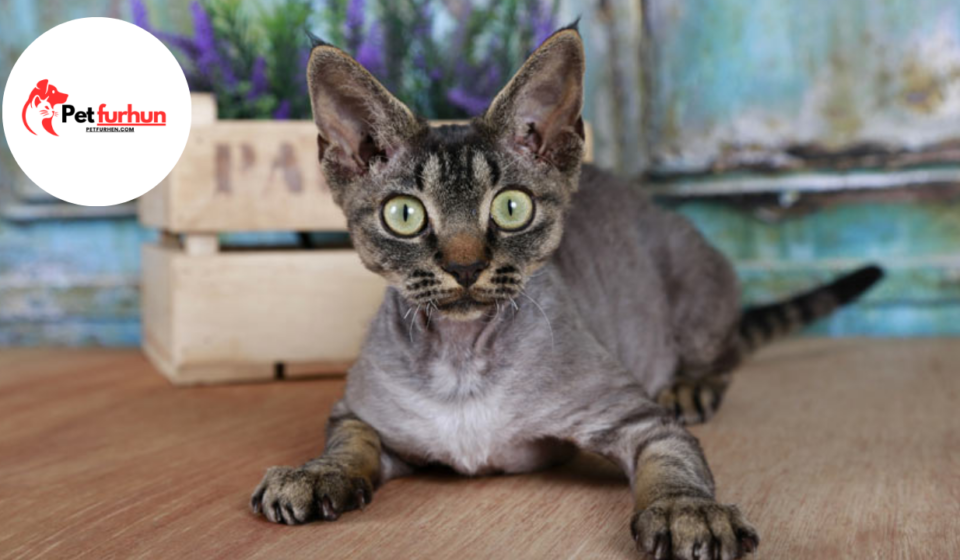
Devon Rex and Cornish Rex cats are often included on lists of hypoallergenic breeds. Their unique coats are shorter and shed less than many traditional cats. Because less fur is released into the environment, allergens may be easier to manage.
Oriental Shorthair cats are another breed that allergy sufferers often consider. These cats have short coats that require minimal grooming and shedding. They are intelligent, active, and highly social, making them a popular choice for families and individuals alike.
While these breeds may offer advantages, it is important to remember that every cat is different. Individual allergen levels can vary even within the same breed.
How to Reduce Cat Allergens at Home
Choosing the right breed is only part of the solution. Managing allergens within your home can make a significant difference in your comfort level. Regular cleaning helps remove dander from furniture, carpets, and other surfaces where allergens tend to collect.
Air purifiers with HEPA filters can help reduce airborne allergens. Washing bedding frequently and vacuuming with a high-quality filter system may also improve indoor air quality. Many allergy sufferers find that keeping cats out of bedrooms creates a more comfortable sleeping environment.
Routine grooming can also help control allergen levels. Depending on the breed, brushing or bathing your cat may reduce the amount of dander that accumulates throughout the home.
Should You Get a Hypoallergenic Cat?
The answer depends on the severity of your allergies and your personal tolerance levels. Some people with mild allergies successfully live with cats by choosing breeds known for lower allergen production and maintaining a clean environment. Others may continue to experience symptoms regardless of the breed they select.
Before adopting a cat, it is wise to spend time with the specific animal you are considering. Your reaction to one cat may be very different from your reaction to another, even if they belong to the same breed. A trial visit can provide valuable insight and help prevent disappointment later.
Living Happily With Cats Despite Allergies
For many allergy sufferers, owning a cat is still possible with the right approach. Advances in understanding cat allergens have helped people make more informed decisions about breed selection and allergy management. While no breed can promise a completely symptom-free experience, some cats are easier to live with than others.
The key is setting realistic expectations. Hypoallergenic cats can reduce the likelihood of allergic reactions, but they cannot eliminate allergens entirely. Combining a suitable breed with good cleaning habits and proper allergy management often provides the best results.
Frequently Asked Questions
Are hypoallergenic cats completely allergy-free?
No. All cats produce allergens. Hypoallergenic cats simply tend to produce fewer allergens or spread them less effectively than other breeds.
Which cat breed is best for allergy sufferers?
Siberian, Balinese, Russian Blue, Devon Rex, Cornish Rex, and Sphynx cats are commonly considered among the most allergy-friendly breeds.
Can I own a cat if I have allergies?
Many people with mild allergies successfully own cats. Choosing the right breed and managing allergens at home can make cat ownership more comfortable.
Do hairless cats cause allergies?
Yes. Hairless cats still produce allergenic proteins through their skin and saliva, so they can still trigger allergic reactions.
How can I reduce cat allergens in my home?
Regular cleaning, air purifiers, frequent washing of fabrics, and proper grooming can help lower allergen levels indoors.
Conclusion
Hypoallergenic cats offer hope for many people who love cats but struggle with allergies. While no breed is completely allergen-free, certain cats may be easier for allergy sufferers to live with because they produce fewer allergens or shed less dander. Breeds such as the Siberian, Balinese, Russian Blue, and Devon Rex are often among the most recommended options.
Choosing a cat should never be based solely on breed reputation. Spending time with the individual cat and creating an allergy-friendly home environment are equally important. With realistic expectations and proper management, many allergy sufferers can enjoy the companionship of a feline friend while keeping symptoms under control.