
What Are Hypoallergenic Dogs?
Hypoallergenic dogs are dogs that are less likely to trigger allergic reactions in people. While no dog is completely allergy-free, some breeds produce fewer allergens, shed less, and have hair or skin that minimizes exposure to proteins that cause allergies. Allergies are often caused by dog dander, saliva, and urine, not just fur. People with mild to moderate allergies often find hypoallergenic dogs easier to live with because these breeds reduce the presence of allergens in the home.
Why Choose Hypoallergenic Dogs?
Many dog lovers struggle with allergies but still want a furry companion. Hypoallergenic dogs help reduce allergy symptoms such as sneezing, watery eyes, and skin irritation. These dogs also shed less hair, making homes cleaner and easier to maintain. Families, apartment dwellers, and allergy sufferers often prefer these dogs because they are low-maintenance and compatible with sensitive households.
Best Hypoallergenic Dog Breeds
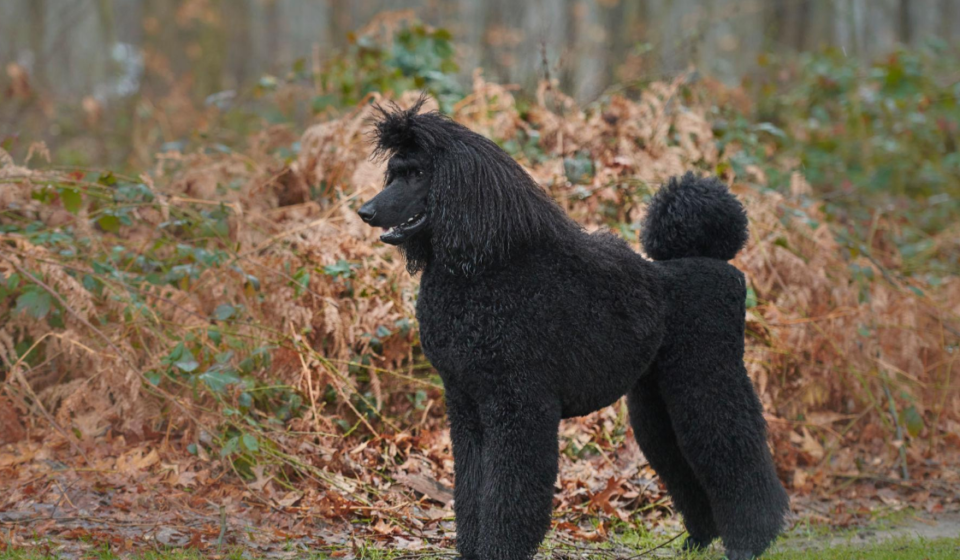
One of the most popular hypoallergenic breeds is the Poodle, which comes in Toy, Miniature, and Standard sizes. Poodles have curly hair that traps dander and loose hair, preventing allergens from spreading around the house. They are intelligent, easy to train, and friendly with families.
The Bichon Frise is another excellent choice. With a soft, curly coat that sheds minimally, Bichons are playful and affectionate. Their low-shedding hair makes them ideal for allergy sufferers.
Maltese dogs are small hypoallergenic dogs known for their silky white coats. They are gentle, loving, and require regular grooming to prevent tangles, but they rarely shed.
The Portuguese Water Dog is a larger breed that is energetic, intelligent, and suitable for active families. These dogs have a curly, non-shedding coat that is easy to manage with regular grooming.
Other hypoallergenic breeds include Yorkshire Terriers, Havanese, Shih Tzu, Miniature Schnauzers, and Giant Schnauzers. Each breed has unique characteristics, but they all share the common trait of producing fewer allergens.
Small Hypoallergenic Dogs
Small hypoallergenic dogs are perfect for apartments and smaller homes. Breeds like the Toy Poodle, Maltese, Bichon Frise, Havanese, and Yorkshire Terrier are compact, friendly, and low-shedding. They adapt well to indoor life and are easy to care for. Families with children often choose these breeds because they are gentle and sociable.
Medium and Large Hypoallergenic Dogs
Medium-sized hypoallergenic dogs like the Standard Schnauzer, Portuguese Water Dog, and Soft Coated Wheaten Terrier provide a balance between size and activity level. They are active, intelligent, and need regular exercise, but they shed less and are suitable for allergy-sensitive homes.
Large hypoallergenic dogs, such as the Standard Poodle, Giant Schnauzer, and Irish Water Spaniel, offer protection and companionship without spreading as many allergens. These dogs require more space and exercise but remain ideal for families seeking both size and hypoallergenic qualities.
Are Popular Breeds Hypoallergenic?
Some dog breeds are often questioned for allergies. Dachshunds, also called Wiener Dogs, are not hypoallergenic because they shed and produce dander. Samoyeds are large, fluffy dogs that shed heavily and are unsuitable for allergy sufferers. Small breeds like Maltese, Havanese, and Shih Tzu are considered hypoallergenic because they shed minimally and produce fewer allergens.
It is important to note that individual dogs may vary. Spending time with a dog before adoption is essential for allergy testing.
Grooming for Hypoallergenic Dogs
Proper grooming is key to maintaining a hypoallergenic dog. Regular baths with hypoallergenic dog shampoo reduce allergens on the coat. Frequent brushing helps remove loose hair and dander. Using dog wipes between baths can also keep allergens under control. Regular cleaning of bedding and living spaces further reduces exposure to allergens, ensuring a healthier environment for both the dog and the owner.
Hypoallergenic Diet and Care
Some dogs may also benefit from a hypoallergenic diet. This includes limited ingredient dog food or special formulas designed for sensitive stomachs and skin. Foods like Purina hypoallergenic dog food or Royal Canin hypoallergenic diets can help reduce inflammation and skin irritation in sensitive breeds.
Additionally, using hypoallergenic dog beds, collars, and grooming products can improve comfort for the dog while minimizing allergen exposure.
Hypoallergenic Dogs for Families
Families often seek dogs that are friendly, low-shedding, and suitable for children. Breeds like Bichon Frise, Poodle, Havanese, and Maltese are popular choices. They are affectionate, trainable, and adaptable to family life. These breeds provide companionship without significantly affecting allergy symptoms, making them ideal for sensitive households.
Hypoallergenic Dogs and Adoption
Many shelters and rescue organizations have hypoallergenic dogs available for adoption. Adopting an adult dog can be a great way to find a breed that matches your lifestyle. Shelters may have breeds like Poodles, Bichons, Schnauzers, and Maltese ready for loving homes. Visiting local rescues allows potential owners to meet the dog before adoption, helping to assess both temperament and allergy compatibility.
Conclusion
Hypoallergenic dogs are an excellent choice for people who love dogs but struggle with allergies. While no dog is completely allergy-free, breeds such as Poodles, Bichon Frise, Maltese, Havanese, and Schnauzers produce fewer allergens and shed less, making them suitable for sensitive households. Proper grooming, a hypoallergenic diet, and maintaining a clean home are essential to keep allergens under control. Choosing the right breed, combined with care and attention, ensures that allergy sufferers can enjoy the companionship of a dog without compromising their health.