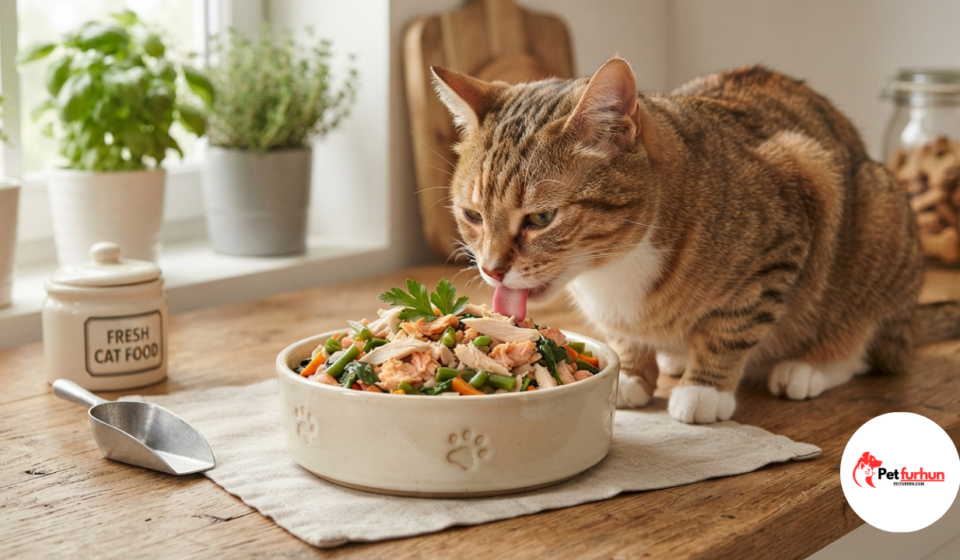

Fresh pet cat food has become a popular choice among cat owners who want to provide their pets with meals made from recognizable ingredients and a more natural feeding experience. Many people are moving away from traditional feeding habits and looking for options that offer better taste, higher moisture, and improved ingredient transparency.
However, choosing the right food for a cat is not only about finding fresh ingredients. Cats have specific nutritional needs, and their daily meals must provide the right balance of protein, vitamins, minerals, and essential nutrients. Fresh cat food can be a valuable option, but understanding what it offers and what to look for is the key to making the right decision.
What Is Fresh Pet Cat Food?
Fresh pet cat food refers to cat meals that are prepared using fresh ingredients and stored under controlled conditions, usually through refrigeration. Unlike traditional dry kibble, which is processed and dehydrated for long-term storage, fresh cat food maintains more moisture and often has a softer texture that many cats find appealing.
Most fresh cat food recipes include animal-based proteins such as chicken, turkey, beef, or fish along with other ingredients that support feline nutrition. These meals are designed to provide cats with a balanced diet while offering owners more visibility into what their pets are eating.
The term “fresh” does not automatically mean that a food is healthier. A quality cat diet must still meet nutritional standards and provide everything a cat needs for its age, activity level, and overall health. A fresh meal with an incomplete nutrient profile may not be suitable for long-term feeding.
Why Are Cat Owners Choosing Fresh Food?
The growing interest in fresh pet cat food comes from a wider shift toward better awareness of pet nutrition. Many owners now read ingredient labels, compare different food options, and want to understand exactly what goes into their cat’s meals.
One major reason people choose fresh food is moisture content. Cats naturally receive much of their water from their prey in the wild, and many domestic cats do not drink large amounts of water. Fresh and wet-style foods contain more moisture than dry kibble, which can help increase daily water intake.
Fresh food is also attractive because of its texture and smell. Some cats are naturally selective eaters and may show more interest in softer meals with stronger aromas compared with dry food. This can be especially helpful for older cats or pets that have become less interested in their usual meals.
How Fresh Pet Cat Food Is Different From Traditional Cat Food
The biggest difference between fresh cat food and traditional kibble is the preparation process. Dry food is cooked and processed into a shelf-stable product, while fresh food is generally prepared with more moisture remaining and requires refrigeration.
Fresh meals often have a texture closer to home-prepared food, which can make them more enjoyable for some cats. Traditional dry food, on the other hand, offers convenience because it can be stored easily and does not require special handling.
Both options can provide proper nutrition when they are correctly formulated. The better choice depends on the cat’s health needs, preferences, lifestyle, and the owner’s ability to maintain proper feeding routines.
Benefits of Fresh Pet Cat Food
One of the main advantages of fresh cat food is improved ingredient visibility. Many owners appreciate being able to recognize the main ingredients in their cat’s meals instead of relying only on processed formulas.
Fresh food can also support hydration because of its higher water content. Proper hydration is important for cats, especially because some cats naturally have a low desire to drink water throughout the day.
Another possible benefit is improved meal acceptance. Cats rely heavily on smell when deciding whether to eat, and fresh meals often have a stronger aroma and softer consistency than dry food. This may encourage some picky cats to eat more consistently.
Fresh diets can also make feeding feel more personalized. Owners can select formulas based on their cat’s life stage, weight goals, and dietary preferences rather than choosing a single general food option.
Is Fresh Pet Cat Food Safe for Cats?
Fresh pet cat food can be safe when it is properly prepared, stored, and formulated for feline nutrition. The most important factor is choosing a product that provides complete and balanced nutrition rather than focusing only on the ingredient list.
Proper storage is also important. Since fresh foods contain more moisture and fewer preservatives than many dry foods, they usually require refrigeration and careful handling after opening.
Cat owners should introduce any new diet slowly. A sudden change in food can cause digestive problems such as stomach upset or changes in stool quality. A gradual transition allows the cat’s digestive system to adjust more comfortably.
Potential Drawbacks of Fresh Cat Food
While fresh cat food offers several benefits, it may not be the perfect choice for every household. One of the biggest challenges is cost. Fresh ingredients, special packaging, and refrigeration requirements often make these meals more expensive than standard dry food.
Storage can also be inconvenient for some owners. Fresh meals require refrigerator space and more attention compared with leaving a bowl of kibble available throughout the day.
Another important consideration is choosing the right formula. Not every fresh recipe is suitable for every cat. Kittens, senior cats, overweight cats, and cats with specific health concerns may require different nutritional approaches.
How to Choose the Right Fresh Pet Cat Food
Choosing fresh cat food starts with checking whether the product is complete and balanced for your cat’s life stage. A good formula should provide essential nutrients that cats need for healthy muscles, organs, energy, and overall wellbeing.
Owners should also consider the quality of ingredients, feeding instructions, storage requirements, and whether the food matches their cat’s preferences. A recipe that looks premium is not enough if the nutritional balance is not appropriate.
It is also helpful to monitor your cat after switching foods. Changes in energy levels, digestion, coat condition, and appetite can provide useful information about whether the new diet is working well.
Fresh Pet Cat Food vs Homemade Cat Food
Some owners choose homemade diets because they want complete control over ingredients. However, creating a balanced homemade cat diet can be challenging because cats require specific nutrients that may not be present in ordinary household foods.
Fresh commercial cat foods are usually developed with nutritional guidelines in mind, making them a more convenient option for many owners. Homemade feeding should only be considered carefully because nutritional mistakes can affect a cat’s health over time.
Is Fresh Pet Cat Food Worth Buying?
Fresh pet cat food can be a worthwhile choice for owners who value quality ingredients, higher moisture meals, and a more personalized feeding approach. It can be especially appealing for cats that prefer softer textures or need encouragement to eat.
However, the most expensive option is not always the best option. A healthy cat needs balanced nutrition, consistency, and a diet that fits both the pet’s needs and the owner’s routine.
Frequently Asked Questions
Is fresh pet cat food better than dry food?
Fresh pet cat food can offer benefits such as higher moisture content and a softer texture, but both fresh and dry foods can support good health when they provide complete and balanced nutrition.
Can cats eat fresh food every day?
Yes, cats can eat fresh food every day if the recipe is designed as a complete diet that meets their nutritional requirements.
Does fresh cat food need refrigeration?
Most fresh cat foods require refrigeration because they contain more moisture and fewer preservatives compared with shelf-stable foods.
Is fresh cat food good for picky cats?
Fresh cat food may appeal to some picky cats because of its stronger aroma and softer texture, although every cat has different preferences.
How do I switch my cat to fresh food?
A slow transition over several days is usually the best approach. Gradually increasing the amount of fresh food while reducing the old food can help your cat adjust.
Conclusion
Fresh pet cat food has become a popular feeding choice because it offers a different approach to feline nutrition with fresh ingredients, higher moisture, and greater ingredient transparency. For many cats, it can provide a more enjoyable eating experience.
The most important factor is not simply whether food is fresh, but whether it provides the complete nutrition a cat needs. Owners should focus on balanced formulas, proper storage, and their cat’s individual health requirements.
A thoughtful approach to choosing fresh cat food can help create a feeding routine that supports your cat’s health while giving you greater confidence about what goes into their bowl.