
A pet food storage container is more than just a box for keeping your pet’s food organized. The right container helps protect dry food from moisture, air exposure, pests, and accidental spills while making your daily feeding routine cleaner and easier. Whether you have a small cat, a large dog, or multiple pets at home, proper food storage can make a noticeable difference in maintaining food quality.
Many pet owners buy large bags of kibble because they are more convenient and cost-effective, but keeping an opened bag in a corner of the kitchen or garage can affect freshness over time. A well-designed pet food storage container provides a better solution by creating a dedicated space where food stays protected, accessible, and easier to manage.
What Is a Pet Food Storage Container?
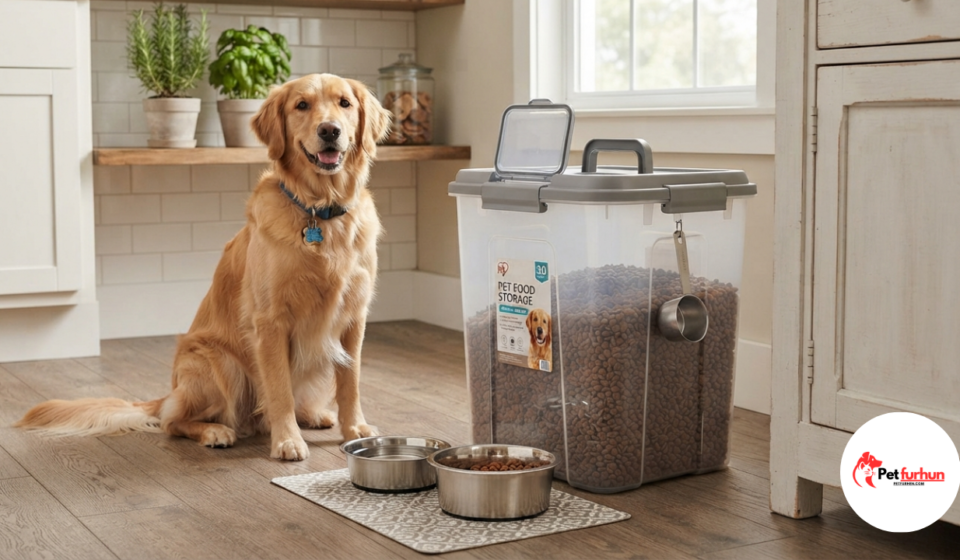
A pet food storage container is a specially designed container used to store dry pet food, treats, and other feeding supplies. These containers are commonly made from food-safe plastic, stainless steel, or other durable materials that help keep pet food protected after opening.
The main purpose of a storage container is to reduce exposure to outside elements that can affect food quality. Air, humidity, heat, and contamination can gradually impact the freshness of pet food. A container with a secure lid helps create a cleaner and more controlled storage environment.
A good pet food storage container also helps keep your home organized. Instead of leaving large food bags open or taking up unnecessary space, you can store your pet’s food neatly while making feeding faster and more convenient.
Why You Need a Pet Food Storage Container
Pet food is designed to provide balanced nutrition, but improper storage can reduce its quality over time. Once a bag of dry food is opened, exposure to air and moisture can affect the taste, smell, and overall freshness of the food.
A sealed storage container helps limit these problems by keeping food away from humidity and unwanted contaminants. This is especially helpful in areas where temperatures change frequently or where insects and pests may be a concern.
A pet food storage container also prevents messes. Pets can sometimes tear open bags or spill food while trying to reach their meals. A strong container with a secure lid keeps food safely stored and reduces unnecessary waste.
For pet owners who purchase food in bulk, storage containers provide better organization. You can easily see how much food remains and know when it is time to purchase another bag.
Features to Look for in a Pet Food Storage Container
Choosing the right pet food storage container depends on your pet’s needs, the amount of food you usually buy, and where you plan to store it. Not every container offers the same level of protection, so some features are more important than others.
An airtight lid is one of the most useful features because it helps reduce exposure to air and moisture. Containers with strong seals can also help prevent odors from spreading throughout your home.
The size of the container is another important factor. A container that is too small may not hold your regular food supply, while an extremely large container may encourage storing food longer than necessary. The best option is usually a size that matches your normal buying and feeding routine.
Durability also matters. Pet food containers are opened frequently, so the material should handle daily use without cracking, breaking, or becoming difficult to clean.
Different Types of Pet Food Storage Containers
Plastic pet food storage containers are among the most common choices because they are lightweight, affordable, and available in many sizes. Many modern plastic containers are made with food-safe materials and are designed for everyday household use.
Stainless steel pet food storage containers are popular among pet owners who prefer a stronger and long-lasting option. They are easy to clean, resistant to odors, and often have a modern appearance that fits well in kitchens or utility areas.
Stackable storage containers are useful for homes with limited space. They allow pet owners to organize different types of food, treats, or supplies without creating clutter.
Portable pet food storage containers are helpful for travel, outdoor activities, or short trips. These smaller containers allow you to carry the right amount of food without taking a large bag with you.
How to Store Pet Food Properly in a Container
Using a pet food storage container correctly is just as important as choosing the right one. Before adding new food, make sure the container is clean and completely dry. Leftover crumbs, oils, or old food particles can affect the freshness of the new food.
Many pet care experts recommend keeping pet food in its original packaging and placing the bag inside the storage container. The original packaging contains important information such as the product name, expiration date, and batch details, which can be useful if there is ever a recall or concern about the food.
The container should be stored in a cool, dry location away from direct sunlight, heat sources, and areas with high humidity. Proper placement helps maintain better food quality and prevents unnecessary spoilage.
Common Mistakes When Using Pet Food Storage Containers
One common mistake is filling a container with new food before cleaning out old food remains. Over time, oils from kibble can build up inside the container and affect the freshness of future food.
Another mistake is choosing a container based only on appearance. A stylish container may look attractive, but it should also provide proper sealing, enough capacity, and easy cleaning.
Some pet owners also store food for too long because they buy very large quantities. While buying in bulk can be convenient, pet food should still be used within a reasonable period to maintain freshness.
How to Clean and Maintain Your Pet Food Storage Container
Regular cleaning keeps a pet food storage container safe and ready for future use. After finishing a batch of food, empty the container completely and remove any remaining crumbs or residue.
Wash the container with warm water and mild soap, then allow it to dry fully before adding new food. Moisture left inside the container can create an unsuitable environment for storing dry food.
The feeding scoop should also be cleaned regularly because it comes into direct contact with food. Keeping both the container and scoop clean creates a healthier feeding routine for your pet.
Choosing the Right Pet Food Storage Container for Your Home
The best pet food storage container depends on your lifestyle, pet size, and feeding habits. A small container may be perfect for a cat owner who buys smaller bags, while large dog owners may need a bigger option with stronger construction.
For households with multiple pets, separate containers can make feeding easier and prevent confusion between different diets. Labeling containers can also help keep track of different food types.
A good storage container should make your daily routine simpler while helping protect the food your pet depends on. The right choice combines convenience, safety, durability, and easy maintenance.
Frequently Asked Questions
What is the best material for a pet food storage container?
The best material depends on your preference and needs. Food-safe plastic is lightweight and affordable, while stainless steel offers durability and easy cleaning. The most important factor is choosing a container that seals properly and can be maintained easily.
Should I keep pet food in the original bag or transfer it to a container?
Keeping the original bag inside the container is often recommended because it preserves important product information. It also provides an extra layer of protection while keeping the food organized.
Are airtight pet food containers better?
Airtight containers are generally preferred because they help protect food from air, moisture, and pests. They can help maintain freshness when used with proper storage practices.
How often should I clean a pet food storage container?
The container should be cleaned between food refills. Regular cleaning removes leftover oils and crumbs that can affect the quality of fresh food.
What size pet food storage container should I buy?
The right size depends on the amount of food you usually purchase and how quickly your pet finishes it. Choose a container that fits your normal feeding schedule rather than storing excessive amounts for long periods.
Conclusion
A pet food storage container is a simple but valuable addition to any pet owner’s home. It helps keep food organized, reduces mess, and supports better storage habits that protect your pet’s meals.
The best container is not always the biggest or most expensive option. A practical design with a secure lid, suitable size, and easy cleaning features will usually provide the most value.
By choosing the right storage solution and following good handling habits, you can create a cleaner feeding routine while helping your pet enjoy fresher food every day.