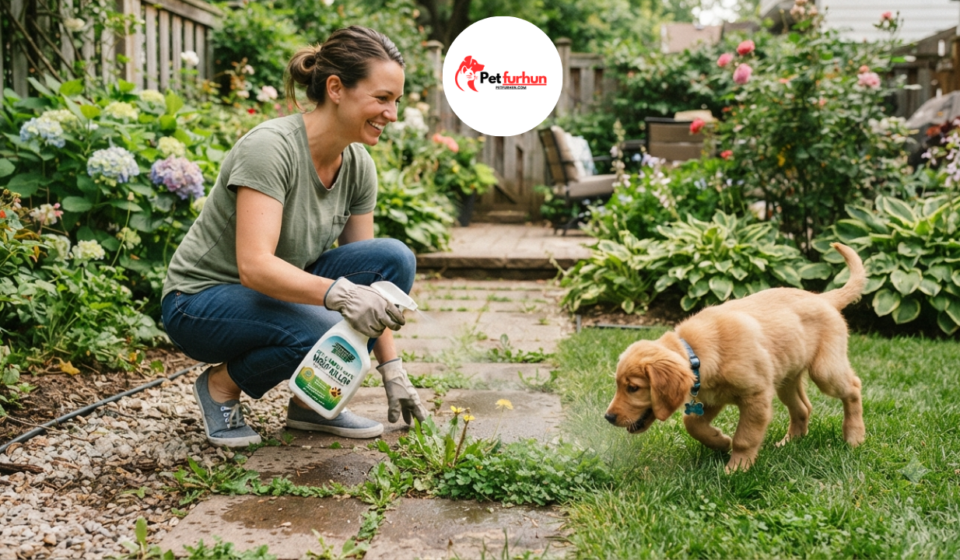

A beautiful, weed-free yard is something many homeowners want, but pet owners have another important concern: keeping their dogs and cats safe. Since pets spend time walking, playing, and exploring outdoor spaces, choosing a weed killer safe for pets requires careful attention. The wrong product or improper use can expose animals to chemicals that may cause irritation or health problems.
The good news is that you do not always need harsh treatments to control weeds. Many pet owners now look for safer weed control methods, including natural solutions, targeted treatments, and better lawn care practices. Understanding how weed killers work and how to use them properly can help you maintain a clean garden while protecting your furry family members.
What Does Weed Killer Safe for Pets Mean?
A weed killer safe for pets usually refers to a product that has a lower risk of harm when it is applied correctly and used according to the manufacturer’s instructions. However, no weed killer should be considered completely risk-free. Even natural products can cause problems if pets consume them in large amounts or come into contact with concentrated formulas.
Pet safety depends on several factors, including the ingredients, the amount used, the application method, and how long pets stay away after treatment. A product that is safe when properly applied may still create risks if a dog walks across wet grass or a cat licks treated plants.
The safest approach is to choose products carefully and always follow the instructions on the label. Responsible use is just as important as the type of weed killer you select.
Why Pet Owners Need to Be Careful With Weed Killers
Dogs and cats experience their environment differently from humans. A person may simply walk across a treated lawn, while a dog may sniff the grass, lick its paws, or chew plants nearby. These behaviors increase the chance of contact with lawn treatments.
Some weed killers contain active ingredients designed to destroy unwanted plants, but those same chemicals may cause irritation if pets are exposed incorrectly. Possible signs of exposure can include stomach problems, skin irritation, excessive drooling, or unusual behavior.
This does not mean every weed killer will harm pets. Many products can be used safely when applied correctly. The main concern is avoiding unnecessary exposure and preventing pets from entering treated areas too soon.
Natural Weed Killer Options That Are Safer Around Pets
Many homeowners prefer natural weed control methods because they want fewer chemicals around their families and animals. Natural options can work well for small gardens, patios, sidewalks, and driveway cracks.
Vinegar-based weed killers are one popular alternative. They work by drying out plant leaves and are often effective against young weeds. However, strong vinegar solutions can still irritate pets and damage nearby plants, so they should be applied carefully.
Boiling water is another simple method for removing weeds in areas such as pavement cracks. It does not leave chemical residues behind, but it is not suitable for lawns because it can damage grass and other plants.
Mulching is also a useful long-term solution. A thick layer of mulch blocks sunlight and makes it harder for weeds to grow. This method takes more time but helps reduce the need for frequent weed treatments.
How to Choose a Pet-Friendly Weed Killer
Choosing the right weed killer starts with reading the product label. Look for clear instructions about safe use around children and pets. Avoid buying products without proper ingredient information or safety guidance.
It is also important to understand that “natural” does not always mean harmless. Some plant-based ingredients can still cause problems when pets are exposed to high amounts. A responsible pet owner should consider both the ingredients and the way the product will be used.
For areas where pets regularly play, targeted weed treatment is usually better than spraying the entire lawn. Treating only problem areas reduces chemical use and limits possible exposure.
How Long Should Pets Stay Away After Using Weed Killer?
One of the most common questions pet owners ask is how long they should keep animals away after applying weed killer. The answer depends on the specific product and its instructions.
Many liquid weed killers require pets to stay away until the treated area has completely dried. Wet products create a higher chance of contact because they can stick to paws and fur. After drying, the risk is usually reduced, but homeowners should still follow the label recommendations.
For extra safety, some pet owners choose to wait longer than the minimum recommended time, especially if they have puppies, kittens, or animals that spend a lot of time outdoors.
Common Mistakes When Using Weed Killer Around Pets
A common mistake is allowing pets outside immediately after spraying. Even if a product is marketed as safer, fresh applications should be treated with caution.
Another mistake is using too much product. Applying extra weed killer does not always improve results and can increase unnecessary exposure. More product can also damage surrounding plants and affect soil health.
Storage is another important factor. Weed killers should always be kept in secure places away from pet food, water bowls, and areas where animals can reach them.
Safer Ways to Maintain a Weed-Free Yard
A healthy lawn naturally prevents many weeds from growing. Regular mowing, proper watering, and maintaining strong grass coverage can reduce the need for weed killers.
Removing weeds early is also easier than dealing with large infestations. Pulling young weeds by hand or using simple tools can prevent them from spreading throughout the garden.
Creating a pet-friendly yard is not about eliminating every weed instantly. It is about finding a balance between maintaining your outdoor space and reducing unnecessary risks for your animals.
Frequently Asked Questions
What is the safest weed killer to use around pets?
The safest weed killer depends on the ingredients and how it is applied. Products with clear safety instructions and lower-risk formulas can be better choices, but careful application is always necessary.
Can dogs go outside after weed killer is sprayed?
Dogs should stay away from treated areas until the product has dried completely or the label confirms it is safe. Allowing pets onto wet grass can increase exposure.
Is vinegar weed killer safe for pets?
Vinegar-based weed killers are often considered a natural alternative, but they are not completely harmless. Strong solutions can irritate pets and should be used carefully.
Are homemade weed killers safe for dogs?
Homemade weed killers may reduce chemical exposure, but they are not automatically safe. Ingredients like vinegar or salt can still cause problems if pets consume them.
How can I remove weeds without using chemicals?
Hand pulling, mulching, boiling water, and improving lawn health are effective ways to control weeds without using chemical products.
Should I avoid all weed killers if I have pets?
Not necessarily. Many pet owners use weed killers safely by choosing suitable products, following instructions, and keeping animals away during treatment.
Conclusion
Finding a weed killer safe for pets is about making informed choices rather than avoiding all weed control products. The right approach combines safer products, careful application, and natural prevention methods.
A pet-friendly yard can still look clean and healthy. By understanding how weed killers work and taking simple precautions, you can protect your garden while creating a safer outdoor space for your pets.
The best weed control strategy is one that keeps unwanted plants under control without creating unnecessary risks for the animals you care about.