
The Vizsla dog is one of the most admired sporting breeds in the world, known for its golden-rust coat, athletic body, intelligence, and deep connection with people. Originally developed in Hungary as a hunting companion, the Vizsla has become a popular family dog for owners who want an active, loyal, and affectionate companion. However, this breed is not only about its beautiful appearance. A Vizsla needs daily exercise, mental stimulation, and plenty of human interaction to live a happy life.
Many people search for Hungarian Vizsla, Vizsla puppies, and Vizsla dog breed information before bringing one home. Understanding the breed’s personality, history, training needs, health considerations, and ownership costs can help potential owners decide whether this energetic dog is the right fit for their lifestyle.
History and Origin of the Vizsla Dog Breed
The Hungarian Vizsla has a long history connected with hunting and outdoor work. The breed was developed in Hungary as a versatile hunting dog that could point, track, and retrieve game. Hunters valued the Vizsla because it combined speed, intelligence, and a strong ability to work closely with humans.
Over generations, breeders focused on creating a dog that was not only skilled in the field but also loyal and easy to handle. This close relationship with people shaped the Vizsla’s personality today. Unlike some independent hunting breeds, Vizslas often prefer staying near their owners and becoming part of everyday family activities.
The breed’s elegant appearance, natural athletic ability, and friendly nature helped it gain popularity around the world. Today, the Vizsla is recognized as both a working dog and a loving household companion.
Appearance and Size of a Vizsla
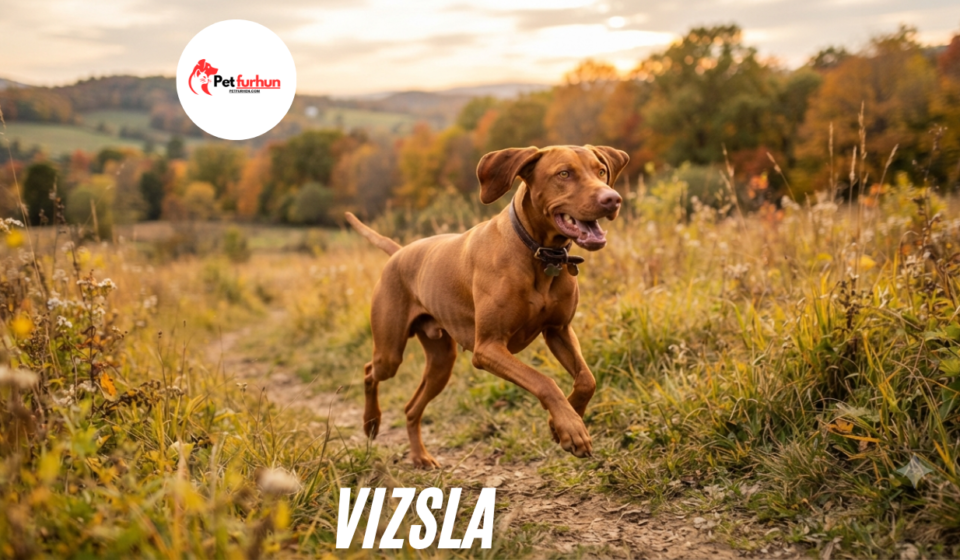
A fully grown Vizsla has a slim, muscular body designed for endurance and speed. Adult dogs usually have a short, smooth coat with a golden-rust color that makes the breed easily recognizable. Their long ears, expressive eyes, and graceful movement give them a distinctive appearance.
The average Vizsla size is medium, with males generally standing taller and weighing more than females. Despite their athletic build, Vizslas are not heavy dogs. Their body structure allows them to run long distances, making them excellent companions for hiking, jogging, and outdoor adventures.
Some people search for rare terms such as blue Vizsla or unusual coat colors, but traditional Vizslas are known for their warm golden-rust coloring. Buyers should be careful with sellers who advertise rare colors as a special feature because responsible breeders focus more on health and temperament than unusual appearances.
Vizsla Temperament and Personality
The personality of a Vizsla dog is one of its most attractive qualities. These dogs are affectionate, intelligent, energetic, and highly people-focused. They often create strong bonds with their families and enjoy being involved in daily activities.
Many owners describe Vizslas as “Velcro dogs” because they like staying close to their humans. They may follow family members around the house and prefer companionship over spending long hours alone. This loving nature makes them wonderful pets for active families but can become challenging for owners with very busy schedules.
A Vizsla is usually eager to learn and responds well to positive training methods. Harsh handling can damage their confidence, so patience and consistency are important. With proper guidance, they can become obedient, well-mannered, and reliable companions.
Training and Exercise Needs of Vizsla Puppies
Vizsla puppies are energetic from a young age and need early training to develop good habits. Puppy socialization, basic commands, and exposure to different environments help create a confident adult dog.
Because Vizslas are intelligent working dogs, they need more than simple walks around the neighborhood. They enjoy activities that challenge both their body and mind, including retrieving games, obedience training, scent work, and outdoor exploration.
A lack of exercise can lead to boredom and unwanted behaviors. A Vizsla that does not receive enough physical activity may become restless, destructive, or frustrated. Owners should be prepared to provide regular exercise and meaningful interaction every day.
Wirehaired Vizsla and Standard Vizsla Differences
The Wirehaired Vizsla is a variety of the Vizsla that has a thicker, rougher coat compared with the traditional short-haired version. This coat gives the dog extra protection in colder weather and challenging outdoor conditions.
While the Wirehaired Vizsla looks different, it shares many qualities with the standard Hungarian Vizsla. Both varieties are intelligent, active, affectionate, and bred for working alongside people. The main differences are related to appearance, coat care, and certain working preferences.
Choosing between a standard Vizsla and a Wirehaired Vizsla depends on personal preference, climate, and lifestyle. Both require owners who understand the needs of an energetic sporting breed.
Vizsla Puppies for Sale and Choosing a Responsible Breeder
People searching for Vizsla puppies for sale should take time to find a responsible breeder rather than making a decision based only on price. A good breeder focuses on healthy bloodlines, proper care, temperament, and raising puppies in a suitable environment.
The cost of a Vizsla puppy can vary depending on location, breeder reputation, pedigree, and health testing. A cheaper puppy may seem attractive, but responsible breeding practices often involve significant costs related to veterinary care and genetic testing.
Before bringing a puppy home, future owners should consider whether they have enough time for training, exercise, and companionship. A Vizsla is a long-term commitment that requires dedication throughout the dog’s life.
Vizsla Mixes and Popular Crossbreeds
Some people search for a Vizsla mix because they want a combination of traits from different breeds. One popular example is the Vizsla Lab mix, which may combine the Vizsla’s energy and affection with the Labrador Retriever’s friendly personality.
However, mixed-breed dogs can have different appearances and temperaments depending on the individual parents. Anyone considering a Vizsla mix should research both breeds involved and understand that personality cannot always be predicted.
Is a Vizsla the Right Dog for You?
A Vizsla dog can be an excellent choice for people who enjoy an active lifestyle and want a close relationship with their pet. This breed fits well with owners who enjoy outdoor activities, training, and spending quality time with their dog.
However, a Vizsla may not be ideal for someone looking for a low-energy or independent pet. Their need for exercise and companionship is a major part of their personality. Understanding these needs before adoption or purchase helps prevent future challenges.
Frequently Asked Questions
Are Vizslas good family dogs?
Yes, Vizslas can be wonderful family dogs because they are affectionate, loyal, and friendly. They usually enjoy being around people and can form strong bonds with family members.
How much exercise does a Vizsla need?
A Vizsla needs regular daily exercise because it was bred as an active hunting dog. Long walks, outdoor activities, and mental games help keep the breed healthy and satisfied.
Are Vizsla puppies easy to train?
Vizsla puppies are intelligent and usually enjoy learning, but they need consistent training and positive reinforcement. Early socialization is important for developing good behavior.
What is the average price of a Vizsla puppy?
The price of a Vizsla puppy depends on factors such as breeder quality, location, and bloodline. Responsible breeders usually charge more because they invest in health checks and proper care.
What is the difference between a Vizsla and Wirehaired Vizsla?
The main difference is the coat type. A standard Vizsla has a short smooth coat, while a Wirehaired Vizsla has a thicker rough coat designed for additional protection.
Conclusion
The Vizsla dog breed stands out because of its combination of beauty, intelligence, and loyalty. This Hungarian breed offers much more than an attractive appearance; it brings energy, affection, and a strong desire to be part of family life.
For the right owner, a Vizsla can become an incredible companion that enjoys adventures, training, and everyday moments together. However, this breed requires commitment, exercise, and attention to remain happy and healthy.
Anyone considering Vizsla puppies should focus on responsible breeding, proper care, and understanding the breed’s needs. With the right environment and dedication, a Vizsla can become a loyal friend for many years.