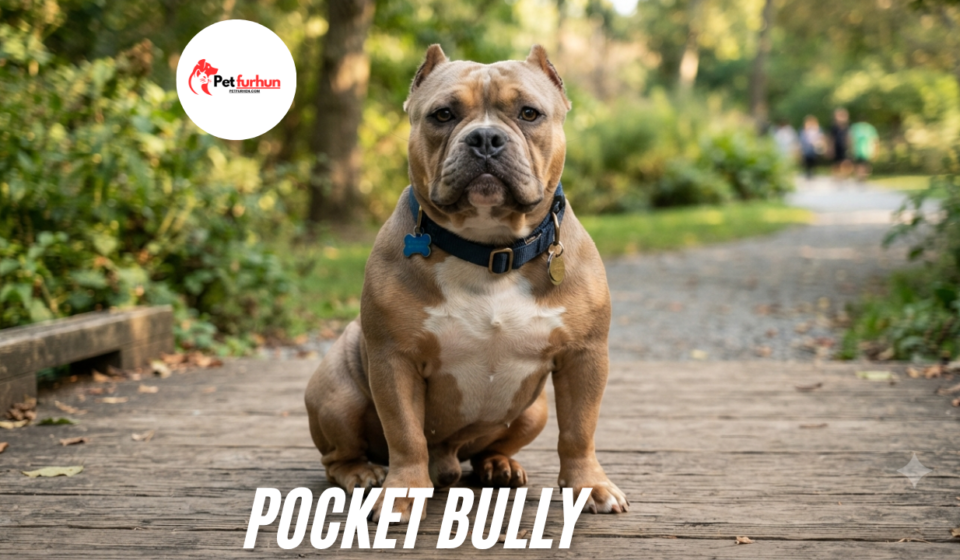

The Pocket Bully has quickly become one of the most popular American Bully varieties among dog lovers who want a strong, muscular companion with a smaller body size. Known for its broad chest, powerful appearance, and affectionate personality, the Pocket Bully attracts attention from families, first-time owners, and experienced dog enthusiasts alike. Although its name suggests a very small dog, this breed is actually a compact version of the American Bully with a solid and athletic build.
Many people search for a Pocket Bully puppy, American Pocket Bully, or Pocket Bully for sale because they are interested in owning a unique-looking dog that can adapt well to home life. However, choosing this breed requires understanding its size, temperament, health needs, and the differences between Pocket Bullies and other bully varieties.
What Is a Pocket Bully?
A Pocket Bully is a smaller variety of the American Bully breed developed to maintain the muscular appearance and friendly personality of larger bully types while having a shorter height. It has the same recognizable features associated with American Bullies, including a wide head, strong shoulders, thick body, and short coat.
Despite its powerful appearance, a well-bred Pocket Bully is usually known as a companion dog rather than a protection or working breed. Their personality is often described as loyal, affectionate, and eager to spend time with their owners. Like any dog, their behavior depends on genetics, training, socialization, and the environment they grow up in.
Pocket Bully Size and Full Grown Appearance
A full grown Pocket Bully is smaller in height compared with Standard or XL American Bullies, but it still has a heavy and muscular frame. Most adult Pocket Bullies stand around 14 to 17 inches tall at the shoulder. Their weight can vary depending on genetics, body structure, and overall health, but many fall within the range of 30 to 50 pounds.
The size of a Pocket Bully should always be balanced. A healthy dog should have a strong body, good movement, and proper proportions. Extremely exaggerated features, such as an oversized head or very short legs, can sometimes create health issues and may be a sign of poor breeding practices.
Pocket Bully Temperament and Personality
The popularity of Pocket Bully dogs is not only based on their appearance but also their personality. These dogs are often affectionate with their families and enjoy human interaction. Many owners describe them as playful, calm, and highly attached to their people.
A Pocket Bully can be a good family companion when raised with proper training and early socialization. Teaching basic commands, introducing the dog to different environments, and creating positive experiences from a young age can help develop confidence and good manners.
Although their muscular appearance can look intimidating, appearance alone does not determine temperament. Responsible breeding and proper ownership have a major impact on how a Pocket Bully behaves.
Pocket Bully Price and Buying Guide
The Pocket Bully price can vary greatly depending on factors such as bloodline, breeder reputation, location, color, and pedigree. Puppies from well-known bloodlines or with rare coat patterns are often more expensive than dogs from less established breeders.
People searching for Pocket Bully puppies for sale should avoid choosing a puppy based only on a low price or attractive appearance. A responsible breeder should be transparent about the puppy’s background, health information, and parents. Buying from unreliable sources can increase the risk of health and temperament problems.
Rare colors such as the blue Pocket Bully and merle Pocket Bully are especially popular among buyers. However, color should not be the most important factor when selecting a dog. A healthy temperament and strong genetics matter more than a specific coat pattern.
Micro Pocket Bully vs Pocket Bully
The terms Micro Pocket Bully and Pocket Bully are often used online, but they can create confusion. A Micro Bully is usually marketed as a smaller version of the Pocket Bully, but the term is not always officially recognized and is sometimes used as a selling label.
The main difference is size. Pocket Bullies are already a smaller American Bully variety, while Micro Bullies are bred to be even shorter and more compact. Potential owners should focus on health, structure, and responsible breeding rather than simply choosing the smallest possible dog.
A smaller dog is not automatically better. Breeding for extreme size can sometimes create problems related to joints, breathing, and overall quality of life.
Pocket Bully Mixed With Pitbull: What You Should Know
Many people search for Pocket Bully mixed with Pitbull because these dogs can look similar. The American Bully shares historical connections with bully-type breeds, including the American Pit Bull Terrier, but the two are not the same breed.
A dog advertised as a Pocket Bully mix may have different genetics depending on its parents. If buying a puppy, asking for clear information about lineage can help you understand what type of dog you are bringing home.
Pocket Bully Lifespan and Health Care
The average Pocket Bully lifespan is commonly estimated between 8 and 13 years, although individual dogs may live longer with proper care. Like many compact muscular breeds, Pocket Bullies can be affected by certain health concerns, including joint problems, skin allergies, and weight-related issues.
Keeping a Pocket Bully healthy requires regular veterinary visits, balanced nutrition, proper exercise, and maintaining a healthy weight. These dogs may look strong, but they still need careful attention to their physical condition.
Daily walks, playtime, and mental stimulation can help keep them active and prevent boredom. Owners should also pay attention to signs of discomfort, reduced movement, or breathing difficulties.
Exotic Pocket Bully and Popular Varieties
The Exotic Pocket Bully has gained popularity because of its unique appearance, including a shorter body, heavier build, and unusual features. Some breeders market exotic varieties with rare colors and extreme physical traits, which often attract buyers looking for a distinctive dog.
However, appearance should always be balanced with health. A responsible owner should choose a dog based on overall quality, not only on how rare or unusual it looks.
XL Pocket Bully and Size Confusion
The term XL Pocket Bully can be confusing because Pocket and XL usually describe different size categories. Pocket Bullies are among the smaller American Bully varieties, while XL Bullies are bred for a larger frame.
Some sellers use different labels for marketing purposes, so buyers should always check the actual size, measurements, and background of the dog instead of relying only on names.
Frequently Asked Questions
What is a Pocket Bully?
A Pocket Bully is a smaller American Bully variety known for its muscular build, compact size, and affectionate companion personality.
How big does a full grown Pocket Bully get?
A full grown Pocket Bully usually reaches around 14 to 17 inches in height, with weight depending on genetics and body structure.
Is a Pocket Bully the same as a Pitbull?
No, a Pocket Bully and Pitbull are different breeds, although they share some historical connections and similar physical features.
How much does a Pocket Bully puppy cost?
The price depends on factors such as breeder quality, bloodline, location, and coat color. Rare colors and established pedigrees often increase the price.
Are Micro Bullies smaller than Pocket Bullies?
Yes, Micro Bullies are generally marketed as smaller than Pocket Bullies, although the term is not consistently defined by all breeders.
Conclusion
The Pocket Bully is a unique dog that combines a powerful appearance with a loving and family-focused personality. Its compact size makes it appealing to people who want an American Bully without the larger body size of other varieties.
Choosing a Pocket Bully should involve more than looking for the rarest color or smallest size. A healthy puppy from a responsible breeder, combined with proper training and care, can become a loyal and enjoyable companion for many years.