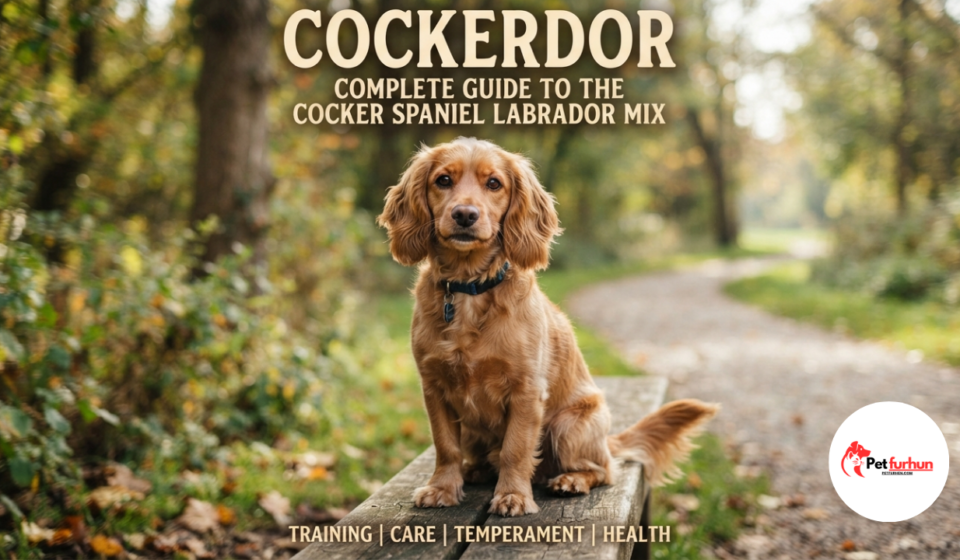

A Cockerdor is a charming crossbreed that combines two beloved dog breeds: the Cocker Spaniel and the Labrador Retriever. Known for their affectionate nature, intelligence, and playful personality, Cockerdors have become popular among families and individuals looking for a friendly companion with a mix of energy and loyalty.
This designer dog brings together the gentle qualities of the Cocker Spaniel with the outgoing and trainable nature of the Labrador Retriever. However, because Cockerdors are mixed breeds, their appearance, temperament, and care needs can vary from one dog to another. Understanding their personality, exercise needs, grooming requirements, and health considerations can help owners decide whether this dog is the right fit for their lifestyle.
What Is a Cockerdor?
A Cockerdor is a mixed-breed dog created by crossing a Cocker Spaniel with a Labrador Retriever. Unlike recognized purebred dogs, Cockerdors do not have a fixed breed standard, which means each dog can inherit different characteristics from either parent.
The Labrador Retriever is known for being friendly, intelligent, and highly trainable, while the Cocker Spaniel is appreciated for its affectionate personality and smaller size. The combination often results in a medium-sized dog that enjoys human companionship and has a natural desire to stay involved with family activities.
Because genetics play a major role, some Cockerdors may look more like Labradors, while others may have stronger Cocker Spaniel features. Their personality can also vary depending on training, socialization, and early experiences.
Cockerdor Appearance and Size
The appearance of a Cockerdor can differ significantly because it depends on which traits they inherit from their parents. Some dogs may have the broader head and athletic body of a Labrador, while others may have the softer facial features and longer ears commonly seen in Cocker Spaniels.
Most Cockerdors are medium-sized dogs with a balanced build. Their coat can range from short and smooth to slightly longer and thicker. Common coat colors include black, brown, golden, cream, and combinations of these shades.
Their ears often require extra attention because many Cockerdors inherit the floppy ears associated with both parent breeds. Regular ear checks and cleaning can help maintain good ear health.
Cockerdor Personality and Temperament
Cockerdors are generally known for being loving, social, and people-focused dogs. They usually enjoy spending time with their owners and may form strong bonds with family members. Their Labrador heritage often contributes confidence and friendliness, while the Cocker Spaniel side can bring sensitivity and a desire for close companionship.
These dogs are often playful and energetic, making them suitable for active households. They usually enjoy outdoor activities, games, and learning new commands. However, their social nature also means they may not do well if left alone for long periods without proper preparation.
A Cockerdor’s temperament depends heavily on training and socialization. Early exposure to different people, environments, and other animals can help them grow into well-behaved and confident adult dogs.
Training a Cockerdor
Training a Cockerdor is usually a positive experience because both parent breeds are intelligent and eager to please. They often respond well to reward-based training methods that use treats, praise, and encouragement.
Consistency is important when training this mix. Cockerdor puppies can be energetic and easily distracted, so short and regular training sessions often work better than long sessions.
Basic obedience training, including commands such as sit, stay, come, and leave it, helps create good behavior. Socialization during puppyhood is also essential because it teaches the dog how to interact calmly with people and other pets.
Exercise Requirements of a Cockerdor
Cockerdors are active dogs that need regular physical and mental stimulation. Since both parent breeds were developed as working dogs, they usually enjoy activities that challenge their bodies and minds.
Daily walks, play sessions, training games, and activities such as fetch can help keep a Cockerdor healthy and happy. Without enough activity, they may become bored and develop unwanted behaviors like chewing or excessive barking.
This breed mix is often a good choice for owners who enjoy spending time outdoors. They can adapt to different living situations, but they do best when their exercise and companionship needs are properly met.
Grooming and Shedding Needs
The grooming needs of a Cockerdor depend on the type of coat they inherit. Dogs with a Labrador-like coat may require regular brushing to manage shedding, while those with a longer Cocker Spaniel-style coat may need more frequent grooming to prevent knots and tangles.
Regular brushing keeps the coat healthy and removes loose hair. Bathing should be done when needed, as excessive washing can remove natural oils from the skin.
Owners should also pay attention to their dog’s ears, nails, and teeth. Regular dental care and nail trimming are important parts of maintaining overall health.
Common Health Concerns in Cockerdors
Like all dogs, Cockerdors can be affected by certain health conditions. Because they come from two different breeds, they may inherit health concerns linked to either Cocker Spaniels or Labradors.
Possible issues can include joint problems, ear infections, eye conditions, and weight gain. Maintaining a healthy diet, providing regular exercise, and scheduling routine veterinary checkups can help support a longer and healthier life.
Choosing a responsible breeder who tests parent dogs for common inherited conditions can also reduce the risk of some health problems.
Is a Cockerdor a Good Family Dog?
A Cockerdor can be an excellent family companion for people who want an affectionate and active pet. Their friendly nature and love for human interaction often make them enjoyable household dogs.
They can usually live well with children and other pets when properly trained and introduced. However, children should always learn how to treat dogs respectfully, and supervision is important during interactions.
Families should consider their lifestyle before choosing this breed mix. Cockerdors need attention, exercise, and companionship, so they are best suited for owners who can provide regular care and involvement.
Cockerdor Lifespan and Care
With proper care, many Cockerdors can enjoy a healthy life lasting around 10 to 14 years, although lifespan can vary depending on genetics and overall health.
Providing balanced nutrition, regular exercise, veterinary care, and mental stimulation can make a major difference in their quality of life. A Cockerdor is not just a pet that needs food and shelter; it is a companion that thrives on attention and connection.
Conclusion
The Cockerdor is a lovable mix that combines the best-known qualities of the Cocker Spaniel and Labrador Retriever. Their friendly personality, intelligence, and playful nature make them appealing to many dog owners.
However, this breed mix requires commitment. They need training, exercise, grooming, and plenty of interaction to stay happy and healthy. For families or individuals looking for an active and affectionate companion, a Cockerdor can be a rewarding choice.
Understanding their needs before bringing one home is the best way to build a strong relationship with this loyal and energetic dog.
Frequently Asked Questions
Are Cockerdors good for first-time dog owners?
Yes, Cockerdors can be suitable for first-time owners because they are usually intelligent and eager to learn. However, new owners must be prepared to provide regular training, exercise, and attention.
How big will a Cockerdor become?
Cockerdor size varies depending on the Labrador and Cocker Spaniel parents. Most are medium-sized dogs, but some may be larger or smaller based on inherited traits.
Do Cockerdors shed?
Yes, Cockerdors can shed, especially if they inherit the Labrador’s coat type. Regular brushing helps control loose hair and keeps their coat healthy.
Are Cockerdors easy to train?
Most Cockerdors are responsive to training because both parent breeds are intelligent and people-oriented. Positive reinforcement and consistency usually produce the best results.
Can Cockerdors live in apartments?
Cockerdors can adapt to apartment living if they receive enough daily exercise and mental stimulation. Their energy level means they need regular activity outside the home.
Are Cockerdors aggressive dogs?
Cockerdors are generally not known for aggression. Like any dog, their behavior depends on genetics, training, socialization, and how they are raised.