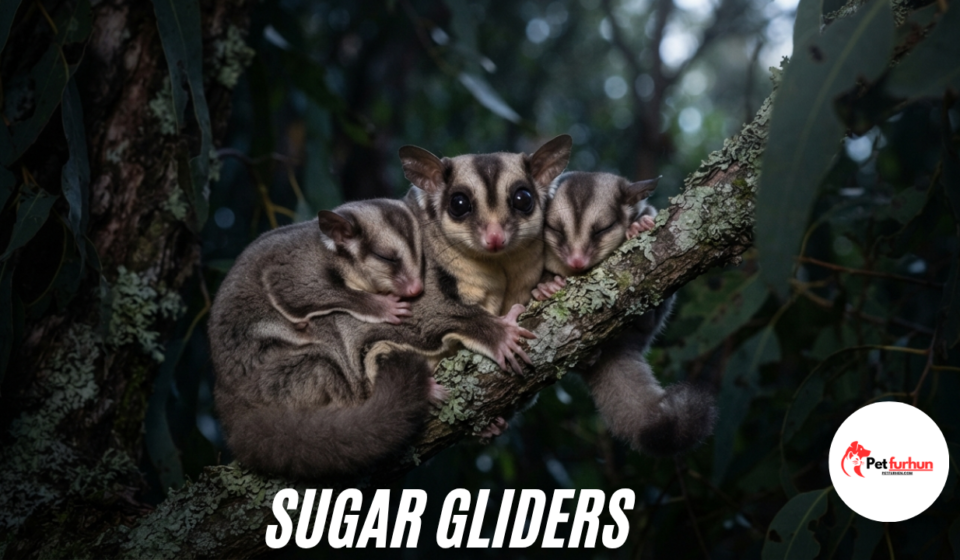

Sugar glider are small, fascinating marsupials known for their large eyes, soft fur, and unique ability to glide through the air. These animals have become popular among exotic pet lovers because of their playful personality and strong bonds with humans. However, behind their cute appearance is a complex animal with special needs, natural behaviors, and a lifestyle that is very different from common household pets.
A sugar glider is not a flying animal and is not related to squirrels. It is a marsupial, meaning females carry their young in a pouch, just like kangaroos and other members of the same animal group. Understanding their natural habits, diet, and care requirements is important for anyone interested in learning about these unusual creatures.
What Is a Sugar Glider?
A sugar glider is a small tree-dwelling marsupial scientifically known as Petaurus breviceps. It gets its name from two special traits: its love for sweet foods found in nature and its ability to glide between trees. Instead of flying, sugar gliders use a thin layer of skin called a patagium that stretches from their wrists to their ankles, allowing them to move smoothly through the air.
These animals are naturally found in parts of Australia, New Guinea, and nearby islands. In their wild environment, sugar gliders spend most of their time high in trees where they search for food, avoid predators, and communicate with other members of their group.
Sugar Glider Appearance and Unique Features
Sugar gliders are small animals with a body length of around five to six inches, while their long tail adds extra length and helps with balance. They usually have gray fur, a dark stripe running from the head down the back, and a cream-colored underside. Their large eyes are one of their most noticeable features because they help them see during nighttime activity.
Their body is specially designed for life in the forest canopy. Strong claws allow them to climb trees easily, while their flexible body helps them move between branches. The gliding membrane gives them the ability to travel from one tree to another without touching the ground, which helps them find food and stay away from danger.
Where Do Sugar Gliders Live?
In the wild, sugar gliders live in forests and woodland areas where tall trees provide shelter and food. They often create nests inside tree hollows, where they rest during the day and stay protected from harsh weather and predators.
Sugar gliders are nocturnal animals, meaning they sleep during daylight hours and become active after sunset. At night, they move through the trees searching for food and interacting with their group. Their nighttime lifestyle is one reason they may not be the right choice for every pet owner.
What Do Sugar Gliders Eat?
A wild sugar glider has a varied diet that changes depending on what is available in its environment. They commonly eat tree sap, nectar, pollen, insects, and other small sources of nutrition found in forests. This mixed diet provides the energy they need for climbing and gliding.
Pet sugar gliders require a balanced diet that includes the right combination of nutrients. Feeding only fruits or sweet foods is not enough and may lead to health problems. Owners need to understand their nutritional needs and provide meals that support healthy growth, strong bones, and overall well-being.
Sugar Glider Behavior and Social Nature
Sugar gliders are highly social animals that naturally live in groups. They communicate through sounds, scent marking, and physical contact. In the wild, being part of a group helps them stay safe and maintain strong social connections.
Their social personality is one reason they can form close relationships with humans. However, building trust takes time and patience. A sugar glider may become friendly with its owner, but it still needs attention, interaction, and mental stimulation to stay happy.
Because they are active at night, owners should understand that their playtime usually happens when many people are preparing to sleep. Their natural schedule can require adjustments from people who are used to daytime pets.
Are Sugar Gliders Good Pets?
Sugar gliders can be rewarding pets for people who understand their needs. They are intelligent, curious, and capable of forming strong bonds with their caregivers. Many owners enjoy their playful behavior and unique personalities.
However, sugar gliders are not low-maintenance pets. They need a suitable living space, proper nutrition, regular interaction, and specialized veterinary care. Their long lifespan also means that bringing one home is a commitment that can last many years.
Before getting a sugar glider, potential owners should research local regulations because some areas have restrictions on keeping exotic animals. It is also important to find a veterinarian who has experience treating small exotic mammals.
How Long Do Sugar Gliders Live?
A healthy sugar glider can live for many years with proper care. Their lifespan depends on several factors, including diet, genetics, environment, and access to medical care. Many captive sugar gliders live around 10 years or more when their needs are properly met.
Providing a safe enclosure, a nutritious diet, and regular attention can greatly improve their quality of life. Like any pet, sugar gliders depend on responsible care from their owners.
Common Misunderstandings About Sugar Gliders
One common misunderstanding is that sugar gliders are easy pets because of their small size. Their tiny bodies can make them look simple to care for, but they have specific requirements that should not be ignored.
Another misconception is that sugar gliders can fly. They cannot fly like birds or bats. Their movement is controlled gliding, which allows them to travel through the air but does not give them true powered flight.
People also sometimes assume that sugar gliders are naturally comfortable with humans. While they can become affectionate, they are still wild animals with natural instincts. Respecting their behavior and building trust slowly is important.
Frequently Asked Questions
Can sugar gliders fly?
No, sugar gliders cannot fly. They glide using a special skin membrane between their legs that helps them move from one tree to another.
Are sugar gliders good pets for beginners?
Sugar gliders can be enjoyable pets, but they require more care than many traditional pets. New owners should learn about their diet, behavior, and social needs before adopting one.
What do sugar gliders eat?
Sugar gliders eat a combination of natural foods such as nectar, tree sap, insects, and plant materials. Pet sugar gliders need a carefully balanced diet.
Are sugar gliders awake during the day?
No, sugar gliders are mainly active at night. They usually sleep during the day and become energetic after sunset.
How long do sugar gliders live?
With proper care, sugar gliders can live for many years, often reaching around 10 years or longer in captivity.
Conclusion
Sugar gliders are unique animals with impressive abilities, social personalities, and fascinating natural behaviors. Their ability to glide, their nighttime lifestyle, and their marsupial biology make them different from many other small animals.
While their appearance makes them appealing, caring for a sugar glider requires knowledge, patience, and commitment. Anyone interested in these animals should learn about their needs before deciding whether they are the right companion.
A well-cared-for sugar glider can become a wonderful part of a family, but responsible ownership begins with understanding the animal behind the cute face.