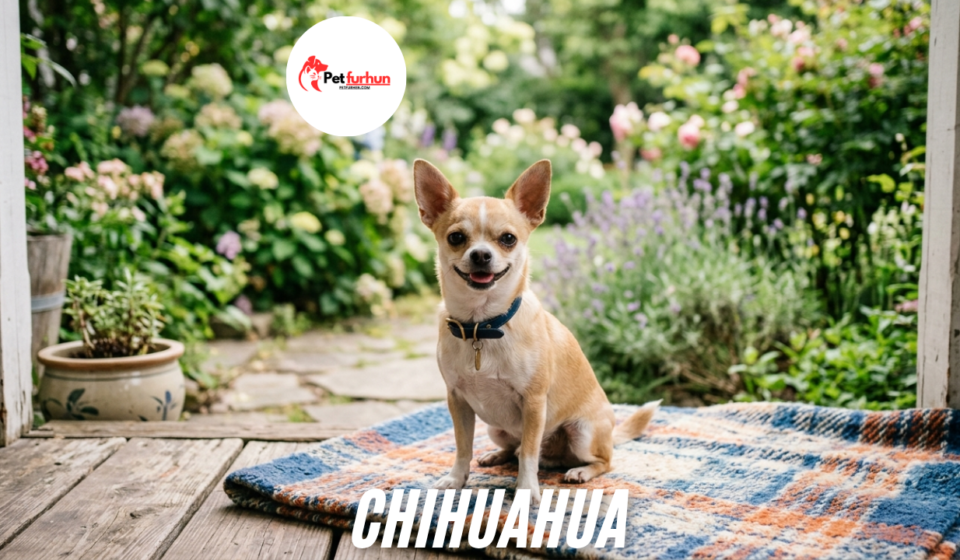

The Chihuahua is one of the smallest dog breeds in the world, but its confident attitude and loyal nature make it one of the most recognizable companions. Known for their tiny bodies, expressive eyes, and strong attachment to their owners, Chihuahuas have become popular pets for families, individuals, and apartment residents around the world. Despite their size, these dogs often show a bold personality that surprises many first-time owners.
Originally from Mexico, the Chihuahua has a fascinating history and unique characteristics that separate it from other small breeds. Before bringing one home, it is important to understand their temperament, training needs, grooming requirements, health concerns, and lifestyle preferences. A well-cared-for Chihuahua can become a loving and devoted companion for many years.
Chihuahua History and Origin
The Chihuahua is a dog breed with roots connected to Mexico. The breed takes its name from the Mexican state of Chihuahua, where small dogs similar to today’s Chihuahuas became known internationally during the 19th century. Historians believe the breed may have connections to ancient companion dogs kept by civilizations in Mexico before European contact.
The American Kennel Club (AKC) officially recognized the Chihuahua breed in 1904, helping increase its popularity as a companion dog. Over time, Chihuahuas became loved worldwide because of their small size, unique appearance, and strong bond with humans.
Although many people see Chihuahuas as fashionable handbag dogs, their history shows they are much more than a decorative pet. They are intelligent, alert animals with a strong personality and a natural instinct to stay close to their owners.
Chihuahua Appearance and Physical Characteristics
The Chihuahua is a small but distinctive dog with a compact body, large ears, bright eyes, and an alert expression. Their appearance gives them a unique charm that makes them easy to recognize. Although they are tiny, their confident posture often makes them appear much larger than they actually are.
There are two main coat varieties of Chihuahua: smooth coat and long coat. Smooth-coated Chihuahuas have short, shiny fur that requires minimal grooming, while long-coated Chihuahuas have softer hair that may need more regular brushing to prevent tangles.
Chihuahuas come in many different colors and patterns, including black, white, fawn, cream, chocolate, and combinations of these shades. Their small size makes them suitable for many living situations, but owners should remember that their delicate bodies require careful handling.
Chihuahua Personality and Temperament
The Chihuahua temperament is one of the most interesting parts of the breed. These dogs are known for being confident, energetic, and highly loyal to their owners. Many Chihuahuas form a very close relationship with one particular person and enjoy spending a lot of time with them.
Despite their small size, Chihuahuas often have a fearless attitude. They may bark at unfamiliar people, alert their owners to unusual sounds, or act protective around their home. This behavior comes from their natural confidence and awareness of their surroundings.
However, proper socialization is important. A Chihuahua that is introduced to different people, environments, and animals from a young age is more likely to become a calm and well-adjusted adult dog. Without training, some Chihuahuas can develop excessive barking or nervous behaviors.
Chihuahua Training and Intelligence
Many people underestimate Chihuahuas because of their size, but they are intelligent dogs that can learn commands, routines, and tricks. Like all breeds, they need consistent training and clear boundaries from an early age.
Positive reinforcement methods work best with Chihuahuas. Rewarding good behavior with treats, praise, and encouragement helps them understand what is expected. Harsh training methods can make them fearful and damage their trust.
House training can sometimes take patience because of their small bladder size. Owners should create a regular routine and provide frequent opportunities for bathroom breaks. With consistency and patience, Chihuahuas can become well-trained and obedient companions.
Chihuahua Exercise and Daily Activity Needs
Although Chihuahuas are small, they are not completely inactive dogs. They enjoy short walks, indoor games, and activities that keep their minds engaged. Regular exercise helps prevent boredom and supports their overall health.
A Chihuahua does not require long hours of physical activity like larger working breeds, but they still need daily movement. Simple activities such as playing with toys, learning new commands, and exploring safe outdoor areas can provide excellent stimulation.
Because of their small size, owners should avoid extremely intense exercise or situations where the dog could become injured. A balanced routine with gentle activity is usually enough to keep a Chihuahua happy.
Chihuahua Grooming and Care Requirements
The grooming needs of a Chihuahua depend on its coat type. Smooth-coated Chihuahuas are generally easy to maintain and usually need occasional brushing. Long-coated Chihuahuas require more frequent grooming to keep their fur clean and healthy.
Dental care is especially important for Chihuahuas because small breeds are more likely to experience dental problems. Regular tooth brushing and professional veterinary checks can help protect their oral health.
Owners should also pay attention to nail trimming, ear cleaning, and maintaining a healthy weight. Because Chihuahuas are small dogs, even small health changes can have a noticeable impact on their quality of life.
Chihuahua Health Problems and Lifespan
The Chihuahua lifespan is often longer compared with many larger dog breeds. With proper nutrition, veterinary care, and a healthy lifestyle, many Chihuahuas live between 12 and 16 years.
Like other breeds, Chihuahuas can experience certain health issues. Common concerns include dental problems, knee conditions such as patellar luxation, heart issues, and eye-related conditions. Regular veterinary visits help identify problems early and improve long-term health outcomes.
Responsible breeding also plays an important role in reducing inherited health problems. Choosing a reputable breeder or adopting from a trusted source can help owners find a healthier companion.
Is a Chihuahua the Right Dog for You?
A Chihuahua can be an excellent choice for people looking for a loyal, affectionate, and small companion dog. They often adapt well to apartments and enjoy being close to their owners.
However, they are not the perfect match for every household. Their small bodies make them vulnerable to accidental injuries, and some may not be suitable for homes with very young children who may handle them roughly.
The ideal Chihuahua owner is someone who understands that a small dog still needs training, attention, exercise, and proper care. When treated with patience and respect, a Chihuahua can become a wonderful lifelong companion.
Frequently Asked Questions
How big does a Chihuahua get?
A Chihuahua is one of the smallest dog breeds. Most adult Chihuahuas remain very small in size, usually weighing only a few pounds, although size can vary depending on genetics and breeding.
Are Chihuahuas good pets?
Yes, Chihuahuas can be excellent pets for the right owners. They are loyal, affectionate, intelligent, and well-suited for people who want a small companion with a big personality.
Do Chihuahuas bark a lot?
Some Chihuahuas bark frequently because they are naturally alert and protective. Proper training and socialization can help reduce unnecessary barking.
Are Chihuahuas easy to train?
Chihuahuas are intelligent but may sometimes be stubborn. Consistent training, patience, and positive reinforcement usually produce the best results.
How long do Chihuahuas live?
Many Chihuahuas live around 12 to 16 years when they receive proper care, nutrition, exercise, and regular veterinary attention.
Conclusion
The Chihuahua may be small in size, but it has a personality that makes a lasting impression. Their loyalty, intelligence, and affectionate nature have helped them become one of the world’s most popular companion breeds.
Owning a Chihuahua requires understanding their unique needs, from careful handling and training to proper health care and socialization. They are not simply small dogs; they are confident companions that form deep connections with their families.
For the right owner, a Chihuahua can provide many years of friendship, affection, and companionship. Their tiny appearance hides a truly remarkable personality that continues to win the hearts of dog lovers worldwide.